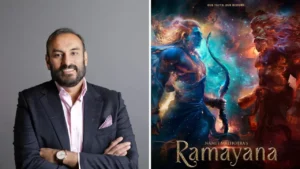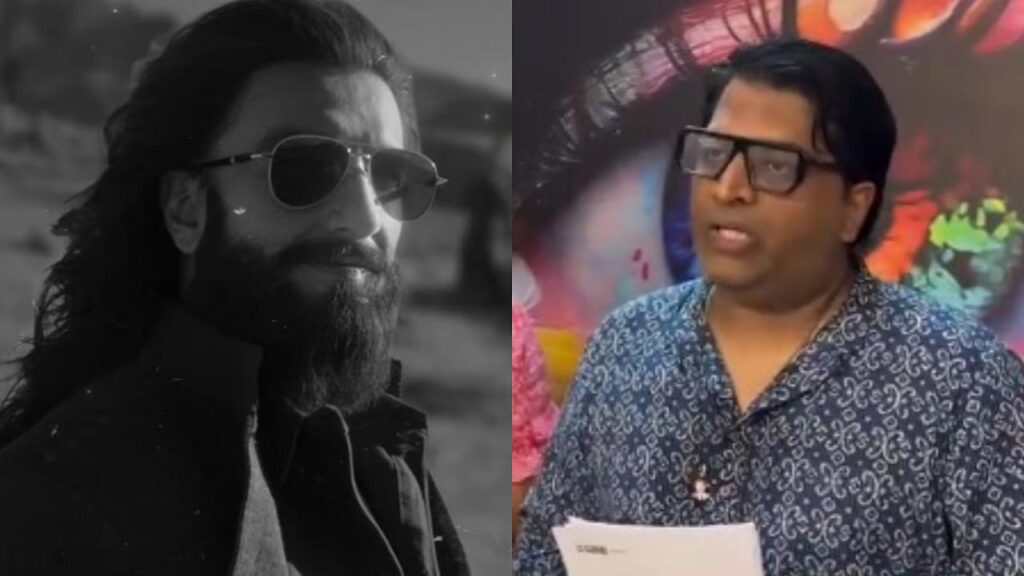
Aditya Dhar issues legal notice to Santosh Kumar RS over ‘Dhurandhar 2’ copy claims?
Dhurandhar 2 Story Dispute Aditya Dhar Sends Legal Notice to Santosh Kumar RS
The Indian film landscape, often vibrant with creativity and innovation, periodically finds itself navigating complex legal terrain, especially concerning intellectual property. A recent development has brought the upcoming film “Dhurandhar 2” into the spotlight, as renowned filmmaker Aditya Dhar has initiated legal proceedings against writer Santosh Kumar RS. The dispute centers on Kumar’s public assertions that the story of “Dhurandhar 2” bears an uncanny resemblance to his original work, a claim vehemently denied by Dhar and his production team. This unfolding saga, currently a significant topic of discussion within industry circles, underscores the critical importance of intellectual property rights in cinematic endeavors. Omni 360 News delves into the details of this legal confrontation.
At the heart of the matter are allegations made by Santosh Kumar RS, a writer with a discernible presence in regional storytelling circuits. Sources familiar with the situation indicate that Kumar initially vocalized his concerns across various digital platforms and, reportedly, through a series of informal discussions with local media outlets primarily based in South India. These early claims, which began to surface in late May, suggested that core narrative elements, character arcs, and specific plot developments within “Dhurandhar 2” paralleled a copyrighted story of his own. Kumar’s assertions gained traction, prompting a broader conversation about originality and idea protection within the competitive film industry.
In response to these mounting allegations, Aditya Dhar, celebrated for his directorial prowess, has taken decisive legal action. His legal representatives dispatched a comprehensive legal notice to Santosh Kumar RS on June 10, demanding a complete retraction of his claims and an immediate cessation of any further defamatory statements. The notice unequivocally states that Dhar and his team categorically deny any wrongdoing or act of plagiarism. It emphasizes that “Dhurandhar 2” is an original work, developed through extensive creative processes and proper legal channels, with all necessary intellectual property rights secured. The issuance of this legal notice signals a robust defense from Dhar’s camp, clearly indicating an intent to safeguard the film’s reputation and creative integrity.
For a student in 12th standard, understanding what a legal notice entails is quite straightforward. Imagine you have a friend who keeps saying you copied their project idea, even though you know you didn’t and developed it yourself. A legal notice is like a very formal letter from your lawyer to your friend, clearly stating: “You are wrong. We did not copy. Stop spreading these rumors, or we will take this matter more seriously in court.” It’s a formal warning and a demand for them to stop making those claims, setting the stage for potential court action if the issue isn’t resolved. In this case, Dhar’s notice is not just denying the claims but also asking Kumar to stop making them.
The broader implications of such disputes are significant for the entire film ecosystem. The Indian legal framework provides specific protections for intellectual property, including copyright for literary and artistic works like film scripts. When a claim of plagiarism surfaces, it often leads to a thorough examination of both works by legal experts to identify any substantial similarities that cannot be attributed to mere coincidence or common themes. Should the matter escalate beyond the legal notice, it could proceed to a court of law, where evidence, including script registrations, development timelines, and creative processes, would be presented by both parties.
This legal confrontation involving “Dhurandhar 2” brings to the forefront the constant struggle for creative originality and the vigilance required to protect one’s intellectual property. For emerging writers like Santosh Kumar RS, articulating and proving an allegation of plagiarism can be a formidable challenge, requiring substantial evidence to substantiate claims. Conversely, for established filmmakers and production houses like Aditya Dhar’s, these accusations can cause significant reputational damage and potential delays in production or release, necessitating prompt and decisive legal countermeasures. The film industry, being a collaborative yet highly competitive space, frequently grapples with these tensions, where ideas are the most valuable currency.
This incident, as covered by Omni 360 News, serves as a poignant reminder to creators across all mediums to meticulously document their creative journey, from initial concept to final script, ensuring all necessary registrations and intellectual property safeguards are in place. It also highlights the responsibility of those making allegations to present credible evidence, as unsubstantiated claims can lead to serious legal repercussions.
Key Takeaways:
* Filmmaker Aditya Dhar has issued a legal notice to Santosh Kumar RS following allegations of story plagiarism for “Dhurandhar 2.”
* Dhar’s notice categorically denies the copying claims and seeks a retraction of all statements made by Kumar.
* This legal move emphasizes the critical importance of intellectual property protection and the formal processes involved in addressing such disputes in the film industry.
* The situation underscores the need for creators to document their work thoroughly and for accusers to present verifiable evidence.