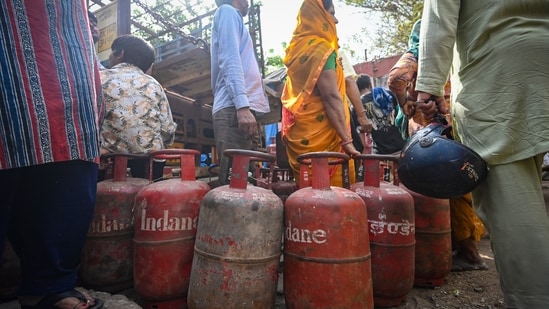
After commercial LPG supply crisis, domestic consumers in Kerala face booking issues| India News
Gas Cylinder Shortages Local Distributors Challenge Oil Company Claims Key Takeaways Omni 360 News
A palpable tension is brewing in communities over the availability of cooking gas cylinders. While major oil companies largely attribute any current supply strain to commercial sector demands, local distributors are painting a starkly different picture, indicating widespread domestic cylinder shortages that impact homes daily.
Official communications from large oil corporations typically reassure the public that household LPG supply remains stable. They suggest that any fluctuations are isolated, primarily affecting bulk commercial users due to seasonal industrial surges or specific logistical adjustments. This narrative aims to quell anxieties, emphasizing robust national distribution networks designed to meet essential domestic needs.
However, detailed reports gathered by Omni 360 News from various regional markets highlight a concerning reality on the ground. Independent distributors, like those serving the bustling neighborhoods of Pune or the rural stretches near Chandigarh, recount persistent struggles in securing adequate domestic cylinder stock. They report instances where expected deliveries are curtailed, leading to unexpected delays for consumers. For example, a local gas agency owner in Kanpur noted a 30 percent reduction in their usual domestic cylinder allocation over the past month, directly contradicting company claims of stable supply. This disparity suggests the problem extends beyond commercial demand, pointing instead to deeper bottlenecks in the supply chain or perhaps an underestimation of true household consumption.
The ripple effect of this inconsistency is felt acutely by ordinary citizens. Families accustomed to timely deliveries now face uncertainty, often resorting to less efficient or costlier cooking methods. Small businesses, including street food vendors and local eateries, also feel the squeeze, as disruptions to their gas supply can directly impact their daily operations and livelihoods.
This situation underscores the critical importance of transparent communication and a unified understanding between suppliers and distributors. A clear, ground-level assessment of the entire gas distribution ecosystem is essential to address these inconsistencies and ensure reliable service for every household.
Key Takeaways:
* Oil companies state commercial cylinder shortages are primary.
* Local distributors report significant domestic cylinder scarcity in numerous regions.
* This disparity creates hardship for households and small businesses.
* Urgent need for clearer communication and comprehensive supply chain review.