‘Airport samosas’, prepaid recharge: 7 ‘soft’ issues Raghav Chadha raised in Parliament| India News
Raghav Chadha’s Parliamentary Focus Sparks Debate Omni 360 News Explores Key Takeaways
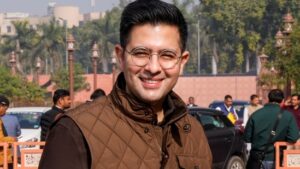
A significant discussion has emerged around Aam Aadmi Party (AAP) leader Raghav Chadha’s parliamentary contributions. Chadha has publicly stated he feels “silenced” within the legislative body, arguing his voice is suppressed when he consistently raises matters directly affecting citizens’ daily routines. Conversely, his own party, the AAP, has levied an accusation against him, suggesting his efforts lean towards “soft PR” rather than substantive legislative work. This internal dynamic brings to light different philosophies on public representation and parliamentary engagement.
Chadha has brought forward a range of issues intended to resonate with everyday struggles. These include the surprisingly high cost of basic items like samosas at airports, the incremental expenses of prepaid mobile recharges, and the fluctuating prices of flight tickets, which often burden travelers. He has also highlighted broader societal concerns such as increasing mobile game addiction among youth, the impact of Goods and Services Tax (GST) on rent for self-employed individuals and freelancers, the affordability of essential medicines, and the escalating costs within the private healthcare sector. His proponents argue these are not trivial concerns but rather critical pain points for a large segment of the population, deserving of parliamentary attention and debate.
However, the AAP’s counter-narrative frames these efforts as “soft PR.” This implies a focus on easily relatable, perhaps more emotionally resonant, but potentially less structurally impactful issues, designed more for public image than for achieving deep legislative change. Critics from within and outside the party suggest that while these issues are valid, a parliamentarian’s role often demands engagement with more complex policy frameworks and national-level challenges that require extensive legislative effort.
The Bigger Picture
This divergence in approach underscores a fundamental question in public service: what constitutes effective parliamentary representation? Is it advocating for micro-level grievances that touch individual lives directly, or is it engaging with macro-economic policies and national legislation that might have broader, albeit less immediately visible, impacts? The debate around Chadha’s actions, verified across various reports examining parliamentary proceedings and party statements, highlights the constant tension between these two forms of advocacy. For citizens, understanding this distinction is crucial to evaluating their elected representatives’ performance. Omni 360 News aims to present such multi-faceted discussions to foster informed public opinion.
Key Takeaways
* Raghav Chadha claims he is “silenced” for raising issues impacting daily lives.
* These issues include high airport food prices, mobile recharge costs, and healthcare expenses.
* AAP accuses Chadha of focusing on “soft PR” rather than core legislative matters.
* The conflict highlights different views on effective parliamentary representation and public advocacy.