
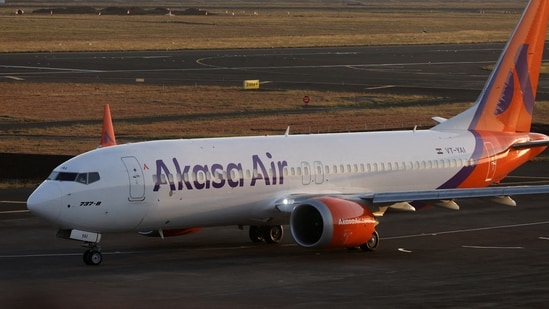
Akasa Air also hikes fares, adds ₹199–1,300 surcharge as West Asia war sets oil prices on fire| India News
Aviation Fuel Prices Soar Akasa Air Faces Headwinds Global Events Explained Key Takeaways
The skies above are becoming a little more costly for airlines, a reality underscored by Akasa Air’s recent statement regarding the significant increase in aviation turbine fuel (ATF) prices. A spokesperson for the budding airline openly attributed this surge to “evolving geopolitical developments,” a phrase that encapsulates a complex web of global events impacting the daily lives of travelers and the operational stability of carriers alike. This situation is more than just an airline’s balance sheet concern; it’s a ripple effect felt across the economy, influencing everything from holiday plans to regional trade.
Understanding Aviation Turbine Fuel
To grasp the situation fully, it’s important to understand what ATF is and why its price fluctuations are so critical. Imagine a car needing petrol; an airplane needs ATF. It’s a specialized type of kerosene-based jet fuel designed for use in aircraft with gas-turbine engines. Unlike petrol or diesel for ground vehicles, ATF is refined to meet stringent purity and performance standards for safety and efficiency at high altitudes and varying temperatures.
The cost of ATF represents one of the largest operational expenses for any airline, often accounting for 30-40 percent of their total costs. Think of it like electricity for your home or raw materials for a factory; if that fundamental input becomes expensive, everything else gets dearer. In India, ATF prices are typically linked to international crude oil benchmarks and are revised fortnightly. These revisions are not just numbers on a screen; they translate directly into millions of rupees in additional expenditure for airlines, sometimes overnight.
The Global Undercurrents of Geopolitics
When Akasa Air refers to “evolving geopolitical developments,” they are pointing to the intricate dance of international relations, conflicts, and policy decisions that shape global energy markets. Crude oil, the raw material for ATF, is a commodity highly sensitive to global stability. Consider scenarios like:
* Regional Conflicts: Tensions in major oil-producing regions can disrupt supply chains, creating uncertainty and driving up crude oil prices. Even the *threat* of disruption can trigger market speculation.
* Production Decisions: Major oil cartels like OPEC (Organization of the Petroleum Exporting Countries) and their allies (OPEC+) decide how much oil to pump. A decision to cut production, often made to stabilize prices or exert influence, directly reduces supply and pushes prices higher.
* Economic Sanctions: Sanctions imposed on oil-producing nations can remove significant volumes from the global market, again tightening supply.
* Currency Fluctuations: Since crude oil is primarily traded in US dollars, a weakening local currency against the dollar can make imported oil more expensive, even if the international dollar price remains stable.
These factors don’t just affect the cost of filling up your car; they have a magnified effect on an industry that consumes thousands of liters of fuel every flight.
Impact on Airlines and the Aviation Ecosystem
For Akasa Air, and indeed all airlines operating in the current climate, this surge in ATF prices presents a formidable challenge. The direct consequences include:
1. Increased Operational Costs: Every flight becomes significantly more expensive to operate. This erodes profit margins, especially for budget carriers like Akasa Air, which thrive on cost-efficiency.
2. Potential Fare Hikes: Airlines have limited options to absorb these costs indefinitely. The most likely outcome is an increase in ticket prices for passengers. While carriers try to maintain competitive fares, continuous fuel price pressure makes it inevitable.
3. Route Rationalization: Airlines might reassess less profitable routes, particularly those with lower passenger density, to optimize fuel consumption and operational expenditure. This could affect connectivity to smaller towns and regional hubs.
4. Pressure on Growth Plans: New aircraft acquisitions, expansion into new markets, and overall growth strategies can be slowed down as capital is diverted to cover rising operational expenses.
Beyond the major airlines, the entire aviation ecosystem feels the tremor. Ground handling services, airport operators, maintenance providers, and even travel agencies experience the ripple effect of any downturn or operational adjustments made by airlines.
The Passenger’s Plight Higher Ticket Prices
For the average traveler, the implications are straightforward: flying will likely become more expensive. Whether it’s a family planning a vacation, a student heading home, or a business professional traveling for work, the cost of air travel plays a crucial role in decision-making.
When ticket prices rise due to fuel costs, several trends emerge:
* Reduced Discretionary Travel: Leisure travel, which is often price-sensitive, may decrease. People might opt for shorter trips, different modes of transport, or postpone travel altogether.
* Shift to Non-Peak Travel: Travelers might become more flexible with their dates, choosing off-peak seasons or less popular times to find more affordable fares.
* Impact on Regional Connectivity: Higher fares can disproportionately affect travelers from smaller cities and towns who rely on air travel for faster connectivity to major hubs, potentially making such journeys unaffordable for many.
Local Echoes and Economic Ripples
While the headlines focus on national carriers, the impact of rising ATF prices reverberates deeply within local economies. Smaller regional airports, often serving as lifelines for business and tourism in their areas, can face reduced flight frequencies if airlines find routes less viable.
Consider a tourist-dependent region. If flight prices increase significantly, fewer tourists might visit, impacting local hotels, restaurants, tour operators, and artisan shops. Local businesses that rely on air cargo for speedy delivery of goods might see their logistics costs climb, potentially pushing up prices for consumers even further. Local travel agencies, part of the extensive network that connects travelers with airlines, also grapple with explaining fare hikes to their clientele, managing expectations, and adapting their booking strategies. The broader economic ripple effect can be inflationary, as transportation costs feed into the prices of goods and services across sectors.
Airline Responses and Future Outlook
Airlines are not passive observers in this challenging environment. They employ various strategies to mitigate the impact of rising fuel costs:
* Fuel Hedging: Some airlines engage in fuel hedging, a financial strategy where they lock in future fuel prices to protect against volatility. This can provide stability but comes with its own risks.
* Operational Efficiencies: Investing in newer, more fuel-efficient aircraft, optimizing flight paths, reducing aircraft weight, and improving ground operations can all contribute to burning less fuel.
* Dynamic Pricing: Airlines constantly adjust ticket prices based on demand, competition, and operational costs. Higher fuel prices mean more aggressive dynamic pricing strategies to ensure cost recovery.
The future outlook remains tied to global geopolitical stability. As Omni 360 News has consistently reported, the world stage is constantly shifting, and these shifts have tangible economic consequences. While airlines will continue to adapt, consumers should anticipate that the era of exceptionally cheap air travel might face periodic headwinds as long as global energy markets remain sensitive to international events.
Key Takeaways
* Akasa Air’s statement highlights that rising aviation turbine fuel (ATF) prices are a significant challenge for airlines.
* These price increases are directly linked to complex geopolitical developments affecting global crude oil supply and demand.
* ATF is a major operational cost for airlines, so a hike directly impacts their profitability and operational strategies.
* Travelers are likely to experience higher air ticket prices as airlines pass on increased fuel costs.
* Local economies and regional connectivity can suffer as flight frequencies or affordability decrease.
* Airlines employ strategies like fuel hedging and operational efficiencies to manage these costs, but the market remains volatile.
* The situation underscores how global events have direct, tangible impacts on everyday life and industry operations.