Amid hotel closures, Centre says some commercial LPG cylinders ‘will be released’| India News
India’s Fuel Lifeline States Receive Additional Kerosene Allocation
Across bustling cities and quiet villages in India, the everyday challenge of securing affordable cooking fuel remains a significant concern for millions of households. In a direct response to these persistent needs, the Oil Ministry has announced a crucial measure: an additional allocation of 40,000 kilolitres of kerosene to various states. This substantial supply is intended to serve as a vital alternative to Liquefied Petroleum Gas, commonly known as LPG, easing the burden on countless families. Omni 360 News has been tracking this development and its implications for household budgets and national energy policy.
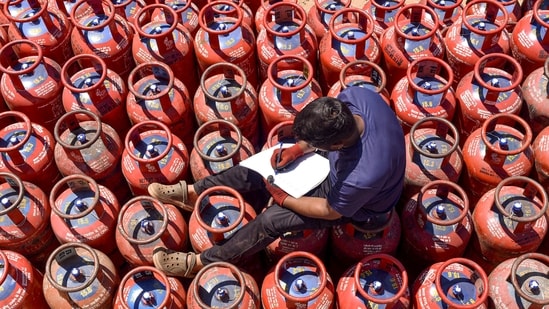
For a clearer understanding, imagine your kitchen stove. Most Indian urban homes today use LPG cylinders, which burn cleanly and are convenient. However, LPG prices can fluctuate, sometimes becoming quite expensive, especially for families with limited incomes. This is where kerosene, a traditional cooking fuel, steps in. While not as clean as LPG, it has historically been a more accessible and affordable option for many, particularly in rural and semi-urban areas. The government’s move to increase kerosene allocation directly addresses the gaps created when LPG becomes difficult to afford or access.
The Driving Force Behind the Allocation
This latest allocation isn’t an isolated incident but rather a strategic intervention. Over recent months, global energy markets have witnessed considerable volatility, leading to varying prices for domestic LPG cylinders. While the Indian government has initiated schemes like the Pradhan Mantri Ujjwala Yojana (PMUY) to promote cleaner cooking fuels and provide LPG connections to women from economically weaker sections, the ongoing operational cost of refilling cylinders remains a hurdle for many beneficiaries. Local news reports from regions like Uttar Pradesh, Bihar, and Rajasthan frequently highlight consumer distress over rising refill costs, prompting some to revert to traditional, often less efficient, cooking methods or struggle with household budgets.
The additional 40,000 kilolitres of kerosene serve as a safety net, ensuring that even if LPG is temporarily out of reach financially, families still have a viable fuel option to cook their daily meals. This allocation reflects a pragmatic approach by the ministry, recognizing the socio-economic realities on the ground and aiming to prevent a widespread fuel crisis in homes. It underscores a commitment to energy security at the household level, acknowledging that a balanced approach is necessary in the transition towards cleaner energy sources.
Distribution and Impact at the State Level
The responsibility of distributing this additional kerosene now falls upon individual state administrations. Each state will receive a specific quota, likely determined by factors such as the number of Below Poverty Line (BPL) families, the existing consumption patterns of subsidized kerosene, and reported difficulties in LPG access. State civil supplies departments will manage the logistical complexities, ensuring the fuel reaches designated fair price shops and subsequently, the eligible beneficiaries.
For families who might have stopped refilling their LPG cylinders due to budget constraints, this allocation provides immediate relief. It means they can once again rely on a fuel source without compromising other essential household expenses. For a 12th standard student, think of it this way: if your family finds it hard to afford the bus fare to school, and the government temporarily provides free public transport, it helps you get to school without worry. This kerosene allocation functions similarly, providing a much-needed financial respite and ensuring the continuity of daily life.
However, the use of kerosene also brings certain considerations. Environmentally, burning kerosene produces more pollutants than LPG. Health-wise, prolonged exposure to kerosene fumes in poorly ventilated kitchens can have adverse effects. Therefore, while providing immediate relief, this move also highlights the ongoing challenge of balancing affordability with the broader goals of public health and environmental sustainability. Local NGOs and community leaders, as reported by regional media in states like West Bengal and Odisha, often advocate for sustainable, long-term solutions while acknowledging the immediate necessity of such allocations.
The Broader Energy Landscape and Key Takeaways
This allocation is a snapshot of India’s complex energy journey. The nation is steadily moving towards cleaner energy sources, promoting solar power, electric vehicles, and piped natural gas. Yet, the reality is that a significant portion of the population still depends on traditional or transitional fuels. The government’s decision to bolster kerosene supplies demonstrates a crucial understanding: the transition to cleaner energy must be inclusive and phased, ensuring no household is left without access to basic necessities like cooking fuel.
Key Takeaways:
1. Immediate Relief: The 40,000 kilolitres of kerosene offer immediate financial and logistical relief to households struggling with LPG affordability or access.
2. Balancing Act: This move highlights the government’s ongoing challenge of balancing clean energy ambitions with the immediate fuel needs and economic realities of its diverse population.
3. Household Security: It underscores a commitment to ensuring basic energy security at the household level, preventing disruption to daily cooking routines.
4. Transitional Fuel: Kerosene remains a critical transitional fuel for many, emphasizing the need for robust support systems during the broader shift towards cleaner alternatives.
5. Ongoing Strategy: Such allocations are part of a dynamic, adaptive strategy to manage energy demands and ensure affordability across different socio-economic strata.
As Omni 360 News continues to follow energy policies, this allocation serves as a reminder that while long-term goals of clean energy are vital, pragmatic solutions are often required to support the everyday lives of citizens. It’s a testament to the fact that policy-making frequently involves navigating complex trade-offs to ensure stability and welfare for all.