
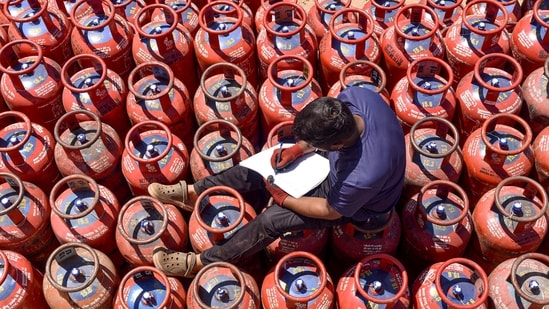
Amid hotel closures, Centre says some commercial LPG cylinders ‘will be released’| India News
National Fuel Shift Kerosene Boosts Household Energy Access
India’s oil ministry has announced a significant allocation of 40,000 kilolitres of additional kerosene to various states, positioning it as a crucial alternative to Liquefied Petroleum Gas (LPG). This move comes amidst fluctuating global energy markets and aims to bolster household energy security, particularly for vulnerable populations across the nation.
For millions across India, the choice of cooking fuel is a daily consideration that directly impacts household budgets and living conditions. While LPG cylinders have become increasingly common, especially with government initiatives like the Ujjwala scheme designed to promote cleaner cooking fuels, their affordability can remain a persistent challenge for many. Recent global energy price movements have, at times, translated into adjustments in LPG costs, straining the financial resilience of countless families and prompting the search for accessible and economical alternatives. This additional kerosene allocation directly addresses that immediate need for a more affordable option.
Understanding the Allocation Mechanism
The 40,000 kilolitres of kerosene represents a substantial injection into the Public Distribution System (PDS), the established network through which essential commodities are distributed at subsidized rates. This allocation is not uniform across all states; instead, it is judiciously distributed based on factors such as existing kerosene demand patterns, population density, and, importantly, the prevalence of households that might struggle with the prevailing LPG prices. State governments are entrusted with the critical responsibility of ensuring this additional supply reaches eligible beneficiaries efficiently and transparently through their network of fair price shops. Robust monitoring mechanisms are essential to prevent any diversions and to guarantee that the relief is targeted precisely where it is most needed, particularly in rural areas or regions where consistent LPG supply infrastructure might still be developing.
Kerosene as a Practical Bridge Fuel
Historically, kerosene, often distributed through ration shops at subsidized rates, has served as a vital cooking and lighting fuel in many parts of India, especially in rural and semi-urban localities. While the nation’s long-term energy strategy certainly includes a transition to cleaner and more sustainable fuels, this immediate allocation acknowledges kerosene’s crucial role as a practical and readily available bridge fuel. It offers a necessary interim solution during periods of economic strain or when supply chain challenges affect the primary fuel source.
To put this in perspective for a 12th-grade student: Imagine your primary mode of transportation, like a school bus (LPG), suddenly becomes more expensive or less frequent. Having a reliable bicycle (kerosene) that is cheaper and readily available helps ensure you can still get to school. While eventually, you might aim for a cleaner, faster electric scooter, the bicycle serves a critical purpose right now. This is precisely how kerosene functions in the current energy landscape for many families.
Expected Impact on Households and States
The immediate impact of this additional kerosene allocation is expected to provide considerable relief to numerous households grappling with the recurring cost of refilling LPG cylinders. For states with a high proportion of lower-income families or those residing in remote regions with limited access, this extra kerosene can be instrumental. It can prevent households from reverting to less clean or sustainable fuel sources such as firewood, cow dung cakes, or agricultural waste, which contribute significantly to indoor air pollution and, indirectly, to deforestation. Local news reports from various states frequently highlight the financial struggles faced by daily wage earners, small farmers, and marginalized communities in managing essential household expenses, including cooking fuel. This allocation aims to cushion that financial blow, offering a more immediate and tangible solution to fuel insecurity.
The Government’s Thoughtful Approach
This decision by the oil ministry underscores a thoughtful and pragmatic approach to energy policy. It balances the nation’s ambitious long-term environmental goals with the immediate socio-economic realities faced by its citizens. The move reflects a clear understanding that while the nation progresses towards cleaner energy alternatives, practical and affordable options must be readily available to ensure no segment of the population is left without essential cooking fuel. An official closely involved with the ministry indicated, “Ensuring every household has access to affordable cooking fuel remains a paramount objective for the government. This allocation is a testament to our commitment to public welfare and energy security.”
Navigating Challenges and Ensuring Effective Distribution
While the additional kerosene allocation is undoubtedly welcome news for many, managing its distribution effectively poses its own set of challenges. In the past, kerosene distribution has sometimes faced concerns regarding potential diversion to the black market or adulteration, which can undermine the purpose of the subsidy. Therefore, it is imperative that state governments implement robust monitoring mechanisms, digital tracking where possible, and stringent oversight to ensure that the additional supply reaches its intended beneficiaries transparently and without leakage. Furthermore, while kerosene is generally considered a cleaner fuel than biomass, its indoor combustion still presents some indoor air quality concerns, albeit less severe than open fires. This emphasizes the transitional nature of such measures, pointing towards the need for continued efforts in adopting even cleaner energy sources in the long run.
Future Outlook and Omni 360 News Perspective
As reported by Omni 360 News, this allocation is fundamentally a temporary, yet vital, measure designed to address immediate energy needs and alleviate financial pressure on households. The broader national energy strategy continues to focus intensely on expanding LPG access, enhancing its affordability, and promoting even cleaner options like piped natural gas (PNG) and electricity for cooking in urban and semi-urban areas. However, the recurring need for such kerosene allocations highlights the complex, ongoing journey towards universal access to affordable and clean energy in a nation as vast and diverse as India. The careful balancing act between providing immediate relief and pursuing long-term sustainable energy solutions will continue to shape India’s dynamic energy landscape for years to come.
Key Takeaways:
* Immediate Relief: An allocation of 40,000 kilolitres of additional kerosene provides an immediate, more affordable alternative to LPG for struggling households.
* Targeted Support: The measure is specifically designed to assist lower-income families and those facing difficulties with rising LPG costs.
* Bridge Fuel Role: Kerosene acts as a practical bridge fuel, acknowledging current economic realities while cleaner energy transitions remain the long-term goal.
* Distribution Oversight: Effective and transparent distribution through the Public Distribution System is crucial to prevent misuse and ensure benefits reach the needy.
* Energy Security Focus: This decision reflects the government’s continued commitment to ensuring basic energy access and welfare for all citizens.