As jet fuel spikes, govt removes airfare caps imposed after December cancellation mess| India News
Government Ends Domestic Airfare Cap Following IndiGo 2025 Crisis Key Takeaways
The skies over the nation are seeing a significant policy shift as the government officially lifts the temporary cap on domestic airfares, a measure initially implemented in the wake of the severe December 2025 flight disruption crisis that heavily impacted IndiGo services. This decision, widely anticipated within the aviation sector, marks a return to market-driven pricing for domestic flights. For passengers, airlines, and the broader travel industry, this move signals a new chapter in air travel dynamics. Omni 360 News delves into the details and implications of this pivotal development.
Understanding the December 2025 Crisis and Fare Caps
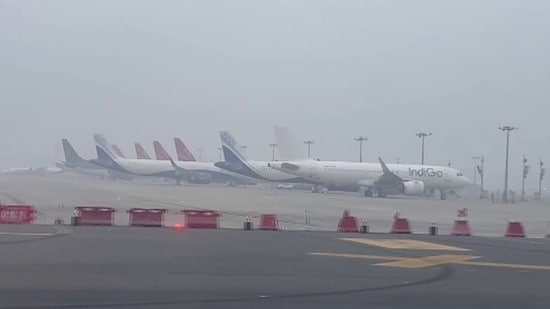
To fully grasp the current decision, it is crucial to revisit the tumultuous period of December 2025. During that time, a confluence of unprecedented operational challenges and severe weather events led to widespread cancellations and delays across IndiGo’s domestic network. Reports from various regional news desks, including those covering bustling hubs and smaller regional airports, highlighted thousands of stranded passengers, disrupted holiday plans, and significant economic losses for local businesses reliant on travel.
The crisis prompted an urgent governmental response. To prevent price gouging and ensure accessibility during a period of immense public inconvenience, the Ministry of Civil Aviation introduced a temporary ceiling on domestic airfares. This cap aimed to protect consumers from exorbitant prices as demand far outstripped the suddenly diminished supply of available seats. While providing immediate relief to many travelers, the measure also sparked debates about market intervention, airline profitability, and the long-term health of the aviation sector. Local consumer advocacy groups had lauded the initial move, citing relief for families trying to reunite or essential workers needing to travel.
The Government’s Rationale for Withdrawal
The decision to withdraw the fare cap did not come abruptly. Over recent months, the aviation landscape has stabilized considerably. Government officials, in various press briefings reported by local news outlets focusing on economic policy, indicated that the emergency conditions that necessitated the cap no longer persist. The primary reasons cited for the withdrawal include:
* Market Normalization: The operational disruptions stemming from the December 2025 crisis have largely been resolved, with airlines, including IndiGo, reporting restored schedules and improved on-time performance.
* Airline Financial Health: The fare caps, while beneficial for consumers in the short term, placed considerable financial strain on airlines. Industry analysts, often quoted in business sections of regional newspapers, pointed out that the caps hampered airlines’ ability to recover operational costs, invest in infrastructure, and maintain profitability, especially after the significant losses incurred during the crisis.
* Increased Competition: With the re-stabilization of the market and the introduction of new routes and services by various carriers, competition is expected to naturally regulate prices. The government’s stance is that a free market environment, rather than regulatory intervention, will ultimately serve consumers best in the long run.
* Operational Flexibility: Lifting the caps allows airlines greater flexibility to price tickets dynamically based on demand, fuel costs, and route-specific economics. This flexibility is crucial for airlines to manage capacity and optimize revenue, which in turn supports route expansion and service improvements.
Impact on Passengers and Air Travel Pricing
For the average traveler, the withdrawal of the domestic airfare cap carries mixed implications.
* Potential for Higher Fares: In periods of high demand, such as festive seasons, long weekends, or on popular business routes, ticket prices are likely to increase. Without the regulatory ceiling, airlines will be free to charge market rates, which could see fares revert to pre-cap levels or even higher during peak times. Local travel agencies in smaller cities, reporting to their regional newspapers, have already begun advising clients to book in advance, especially for popular holiday destinations.
* Improved Availability and Flexibility: Paradoxically, higher fare flexibility might lead to more available seats. When fares are capped, airlines may reduce capacity on less profitable routes or choose not to add extra flights during peak times if they cannot recover costs. Lifting the cap could incentivize airlines to operate more flights, offer more options, and even introduce new routes, especially to tier-2 and tier-3 cities, which can boost local economies.
* Dynamic Pricing: Passengers will need to adapt to dynamic pricing models, where booking early, being flexible with travel dates, and utilizing fare comparison websites will become even more crucial to securing economical tickets. Omni 360 News advises travelers to monitor fares regularly and subscribe to airline alerts.
* Diverse Offerings: Airlines might also introduce more tiered pricing structures, offering various fare classes with different levels of flexibility and amenities, catering to a wider range of passenger needs and budgets.
Implications for the Airline Industry and Local Economies
The airline sector has largely welcomed the government’s decision. For carriers like IndiGo, who faced the brunt of the 2025 crisis and subsequent caps, this provides crucial breathing room.
* Financial Recovery and Investment: Airlines can now better manage their revenue streams, potentially leading to improved financial health. This, in turn, allows for greater investment in fleet modernization, technological upgrades, and expansion of services. Such investments are vital for the long-term sustainability and growth of the industry.
* Route Rationalization: The flexibility in pricing will allow airlines to make more rational decisions about route profitability. Routes that might have been marginally viable under the cap could become more attractive, potentially leading to increased connectivity, particularly for underserved regions. This could be a boon for local tourism and business in areas that depend on air access. Chambers of commerce in several regional cities, as reported by their local economic journals, have expressed optimism about enhanced air connectivity stimulating local trade and tourism.
* Job Creation: A healthier, more robust airline industry can contribute to job creation, both directly within airlines and indirectly in related sectors such as airport operations, ground handling, and hospitality.
Key Takeaways
The withdrawal of the temporary domestic airfare cap is a significant policy adjustment following the December 2025 IndiGo crisis. It signals a governmental preference for market mechanisms over regulatory intervention in a stabilized aviation sector. Passengers should anticipate more dynamic pricing, potentially higher fares during peak times, but also improved seat availability and a wider array of service options. For airlines, this move offers crucial flexibility for financial recovery and future investment, fostering a more competitive and potentially expanded air travel network. The long-term success of this policy hinges on robust competition among carriers to ensure fair pricing and sustained growth within the crucial domestic aviation market. Omni 360 News will continue to monitor the evolving landscape of air travel.