‘Beware of Congress, it is planning to bring a dangerous law in Assam’: PM Modi| India News
PM Modi Warning in Assam Congress Majority Community Law Claims
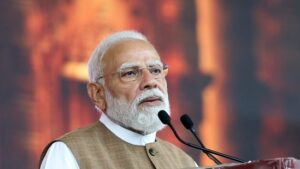
The political landscape in Assam recently witnessed a significant escalation as Prime Minister Narendra Modi, addressing a spirited rally, leveled a sharp accusation against the Congress party. The Prime Minister alleged that Congress was actively contemplating a legislative move designed to unfairly target the majority community within the state. This assertion, made amidst ongoing electoral campaigning, has ignited a fresh round of debate and refutation, drawing widespread attention across local and national media.
Speaking to a large gathering, PM Modi cautioned the electorate to be vigilant, suggesting that the Congress’s purported plans involved a “dangerous law.” While the specifics of this alleged legislation remained broadly defined in his address, the Prime Minister emphasized its potential to undermine the rights and status of the majority community. He framed the alleged intent as a strategic move by the opposition, urging citizens to recognize and reject such proposals. The essence of his message was a call to protect the social fabric and demographic balance, particularly in a state like Assam, which has a complex history regarding identity and community rights.
For those unfamiliar, understanding the term “majority community” in this context is crucial. It generally refers to the Hindu population in Assam, which constitutes the largest religious group. Allegations of laws “targeting” or “unfairly” affecting this community can resonate deeply, especially given historical debates around migration, land rights, and cultural preservation in the region. The Prime Minister’s remarks tapped into these existing sensitivities, aiming to portray the Congress’s intentions as detrimental to the state’s established demographics and social harmony.
Following PM Modi’s statements, the Congress party swiftly responded, vehemently denying the allegations. Local Congress leaders in Assam dismissed the Prime Minister’s claims as baseless, diversionary tactics designed to mislead voters and polarize the electorate during the election season. They contended that such accusations lacked any factual grounding and were merely attempts to distract from pressing issues like unemployment, inflation, and development failures. Party spokespersons asserted that Congress’s manifesto and policy proposals are inclusive, aimed at the welfare of all communities, and do not endorse any discriminatory legislation.
The political discourse in Assam is often shaped by issues of identity, land, and resource allocation. The state has a long history of movements centered on protecting indigenous rights and cultural heritage. Against this backdrop, any discussion of laws that might alter community dynamics or perceived rights tends to stir strong emotions. The PM’s allegation, therefore, is not merely a political jab but a strategic articulation that touches upon deeply embedded anxieties and aspirations within certain segments of the population. Local news outlets, including Assamese language dailies and regional news channels, have extensively covered the back-and-forth, providing a platform for both sides to present their arguments. Reports from Guwahati highlight how these allegations have quickly become a talking point in local tea stalls and community gatherings, illustrating their immediate impact on public discourse.
Key Takeaways:
* PM’s Allegation: Prime Minister Modi accused Congress of planning a “dangerous law” to unfairly target Assam’s majority community.
* Community Focus: The “majority community” in this context refers to the Hindu population in Assam.
* Congress Denial: Congress leaders have strongly refuted the claims, labeling them as baseless and diversionary.
* Political Context: The allegations are made during an election period, leveraging existing community sensitivities in Assam.
* Local Resonance: The issue has gained significant traction in local media and public discussions across the state.
As the election campaign progresses, Omni 360 News will continue to monitor how these allegations and counter-allegations evolve. The impact of such emotionally charged statements on voter sentiment, particularly in a state as diverse and sensitive as Assam, remains a critical aspect to observe. The coming weeks will likely see both parties doubling down on their narratives, further shaping the political narrative leading up to the polls. Observers suggest that such rhetoric aims to consolidate support bases, and understanding the specific details, or lack thereof, behind these claims becomes paramount for an informed citizenry.
The crux of the matter for a 12th standard student, or any curious reader, is to look beyond the immediate political rhetoric. When a political leader makes an allegation about a proposed law, it’s important to ask: What are the details of this law? Has it been formally proposed? What specific provisions would “target” a community? In this instance, the PM’s statements refer to a *plan* or *intention* rather than a concrete, publicly available draft law, which makes independent verification of the alleged law itself challenging. Instead, the focus shifts to the political impact of such an accusation during a critical election period. It’s about how leaders use language to rally support and frame their opponents. Examining responses from both sides, alongside local sentiment, provides a fuller picture of this dynamic political exchange.