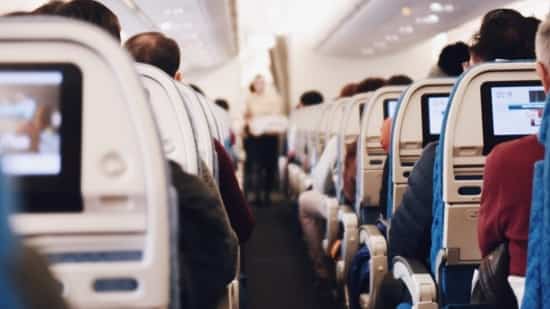
Big relief for Indian flyers, govt mandates 60% seats in flights to be free| India News
India’s Air Travel Rises to New Standards for Passengers
Recent directives aimed at enhancing the air travel experience for passengers across Indian airlines mark a significant shift towards prioritizing traveler comfort, clarity, and consistency. These new guidelines, spearheaded by aviation authorities, seek to embed better practices into the very fabric of airline operations, ensuring that flying in India becomes a more predictable and pleasant journey for everyone. Omni 360 News has been closely observing these developments, understanding their potential to reshape how millions navigate the skies.
For years, air travelers in India have voiced concerns ranging from opaque refund policies to inconsistent handling of flight delays and varying standards of assistance for passengers needing special care. This feedback, gathered from numerous local consumer forums and anecdotal reports from regional airports, highlighted a clear need for a more structured and passenger-centric approach within the aviation sector. These new directives are a direct response to those persistent calls for change. They represent a concerted effort by regulators to establish a common baseline of service and transparency that all Indian carriers must adhere to, regardless of their size or market share.
At the core of these regulations is a commitment to strengthen passenger convenience. This means more than just comfortable seats; it delves into the practical aspects of travel that often lead to frustration. For instance, new guidelines put a strong emphasis on how airlines must handle flight disruptions. If a flight is delayed significantly or cancelled, passengers are now entitled to timely and clear communication regarding the situation. This isn’t just a courtesy; it’s a mandatory requirement designed to prevent travelers from being left in the dark. Furthermore, for substantial delays, airlines are now expected to provide refreshments and meals, and in cases of overnight delays, suitable accommodation. This move recognizes that unforeseen circumstances should not lead to undue hardship for passengers who have paid for a service.
Another critical area addressed is transparency. This facet aims to eliminate hidden costs and confusing policies that have often plagued the booking and travel experience. Travelers can now expect clearer communication about ticket prices, including all taxes and surcharges, right from the outset. This ensures that the price displayed is the price paid, preventing unpleasant surprises at the checkout. Similarly, baggage policies, including allowances and charges for excess luggage, must be clearly articulated and easily accessible to passengers before they even book their tickets. This level of upfront disclosure empowers travelers to make informed decisions and budget accurately for their journey, fostering trust between airlines and their customers.
The drive for uniformity of practices is perhaps one of the most impactful changes. It means that passengers should expect a similar standard of service and adherence to regulations, irrespective of which Indian airline they choose to fly with. This is particularly vital in areas like refunds and denied boarding. If a flight is cancelled by the airline, passengers are now mandated to receive a full refund promptly, or be offered an alternative flight at no additional cost. For situations where boarding is denied due to overbooking, the directives stipulate clear compensation guidelines, ensuring that airlines cannot simply deny a passenger without appropriate recompense and alternative arrangements. This creates a level playing field, where all carriers are held to the same high standards, ultimately benefiting the consumer.
Significantly, the directives also extend to providing comprehensive support for passengers with disabilities or reduced mobility. Airlines are now strictly required to offer assistance from the point of check-in through to arrival, including providing wheelchairs and trained personnel. Crucially, no passenger can be denied boarding solely based on their disability without proper medical assessment, reinforcing inclusivity in air travel. This ensures that flying remains accessible and dignified for all.
Key Takeaways for Travelers:
* Enhanced Communication: Expect timely updates during flight delays, diversions, or cancellations.
* Fairer Refunds: Airlines must process refunds promptly for services not rendered, especially for airline-initiated cancellations.
* Clear Pricing: Full ticket price components, including all charges, should be transparently displayed upfront.
* Baggage Clarity: Know your baggage allowances and excess charges before you book.
* Assistance for All: Improved support for passengers with disabilities or special needs.
* Uniform Standards: A consistent approach to passenger rights and services across all Indian airlines.
These fresh directives are not merely bureaucratic decrees; they are foundational elements for a more mature and passenger-friendly aviation sector. While the initial adjustments might present operational challenges for some carriers, the long-term benefits of increased passenger confidence and a more reliable travel environment are undeniable. As these new norms become deeply ingrained, Omni 360 News anticipates a future where air travel in India is not just about reaching a destination, but about enjoying a consistently convenient, transparent, and uniformly excellent journey from start to finish. This shift promises a more pleasant experience for every passenger embarking on a flight within the nation’s rapidly expanding air network.