Bihar Rajya Sabha election: NDA fights ‘strategically’ to win, no-show by 4 from opposition camp| India News
Bihar Rajya Sabha Election NDA Secures Five Key Seats
As the political landscape of Bihar continues its dynamic shifts, the recent Rajya Sabha election has underscored the enduring strength of the National Democratic Alliance within the state. The results, confirming the victory of five NDA candidates, paint a clear picture of the alliance’s legislative dominance and strategic acumen. For those following Bihar’s complex political currents, the outcome of these polls offers significant insights into the state’s representation in the Upper House of India’s Parliament. This development, closely monitored by Omni 360 News, reflects not just numerical victories but also strategic political alignments.
Understanding the significance of the Rajya Sabha is crucial for any engaged citizen, including students navigating the intricacies of India’s democratic framework. Think of the Rajya Sabha, or the Council of States, as the Upper House of Parliament, designed to represent the interests of India’s states and union territories. Unlike the Lok Sabha, where members are directly elected by the people, Rajya Sabha members are indirectly elected by the Members of Legislative Assembly (MLAs) in each state. This system ensures that experienced individuals, often with deep roots in state politics, contribute to national lawmaking, offering a balanced perspective on policies that affect the diverse regions of the country. These elections are therefore not just about seats but about the voice and influence a state can wield at the national level.
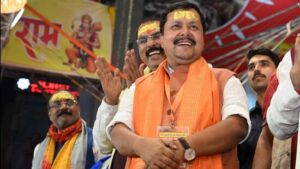
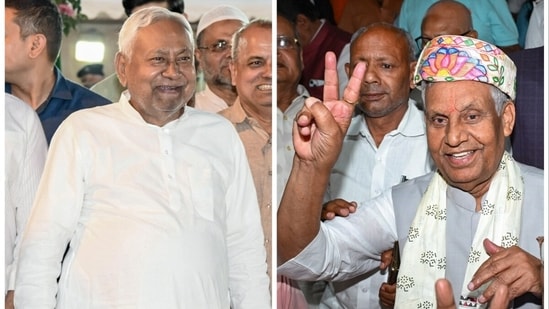
In Bihar, the NDA successfully nominated and secured wins for all five of its candidates. The victorious lineup includes prominent figures such as Nitish Kumar, the seasoned Chief Minister of Bihar; Nitin Nabin; Ram Nath Thakur; Shivesh Kumar; and Upendra Kushwaha. Their collective victory solidifies the NDA’s numerical advantage and political narrative in a state renowned for its electoral contests.
Let us delve into the profiles of these individuals and the broader implications of their entry into the Rajya Sabha.
Nitish Kumar: A Stalwart’s Continued Influence
The election of Nitish Kumar, the Janata Dal (United) patriarch and incumbent Chief Minister, to the Rajya Sabha is a testament to his undeniable influence in Bihar politics. While Chief Ministers typically remain focused on state legislative affairs, his nomination and subsequent win for the Upper House signals a strategic move. It reinforces his stature not just as a state leader but as a national figure whose presence in Parliament can contribute to broader policy discussions. Kumar’s long career has been defined by his pragmatic approach and ability to forge alliances, making him a central figure in both state and national politics for decades. His presence in the Rajya Sabha adds considerable weight to the JD(U)’s voice in Delhi.
Nitin Nabin and Shivesh Kumar: BJP’s Growing Stature
The Bharatiya Janata Party’s success in securing seats for Nitin Nabin and Shivesh Kumar reflects the party’s steady growth and organizational strength within Bihar. Nitin Nabin, a familiar face in state politics, brings a strong connection to urban constituencies and a track record of legislative engagement. His elevation to the Rajya Sabha allows the BJP to bolster its representation with individuals who have a keen understanding of grassroots issues and party strategies. Similarly, Shivesh Kumar’s victory further underscores the BJP’s expanding influence beyond traditional strongholds, bringing in fresh perspectives and solidifying the party’s legislative presence. These wins are crucial for the BJP as it aims to strengthen its national footprint and deepen its legislative bench strength.
Ram Nath Thakur: A Legacy of Social Justice
The victory of Ram Nath Thakur holds particular significance due to his illustrious lineage. As the son of former Bihar Chief Minister Bharat Ratna Karpoori Thakur, Ram Nath Thakur carries forward a legacy deeply rooted in social justice and empowerment. Karpoori Thakur was a towering figure in Bihar politics, known for his commitment to the marginalized and his pioneering work in implementing reservation policies. Ram Nath Thakur’s presence in the Rajya Sabha ensures that the values and principles championed by his father continue to resonate in national debates. His election is not merely a political win but a symbolic reaffirmation of the NDA’s commitment to social equity, particularly appealing to backward classes and other disadvantaged communities in Bihar. His contribution is expected to focus on issues of social welfare and inclusive development.
Upendra Kushwaha: A Key Alliance Partner’s Representation
Upendra Kushwaha’s entry into the Rajya Sabha is another strategic victory for the NDA, particularly in the context of alliance politics. Kushwaha, a prominent leader from the Koeri community, has been an important ally, often seen as a crucial voice representing the aspirations of a significant OBC (Other Backward Classes) segment in Bihar. His nomination and success highlight the NDA’s inclusive approach and its ability to accommodate and empower leaders from diverse social backgrounds. Kushwaha’s parliamentary presence is expected to strengthen the NDA’s outreach to various communities and contribute to policy discussions from a perspective rooted in extensive grassroots experience.
Broader Implications for Bihar and National Politics
The clean sweep by the NDA in these Bihar Rajya Sabha elections has several far-reaching implications. Firstly, it consolidates the alliance’s position in the state, signaling a robust political unit ahead of future electoral battles. For the NDA at the national level, these five additional seats contribute to its overall strength in the Rajya Sabha, where legislative numbers are crucial for passing key bills and shaping national discourse. The Upper House often serves as a check on the Lok Sabha, and a stronger position there provides the ruling alliance with greater legislative maneuvering room.
From Bihar’s perspective, having these experienced leaders represent the state in the Rajya Sabha means that issues pertinent to Bihar’s development, social fabric, and economic progress will likely find a more vocal platform in Delhi. The diverse backgrounds of these five winners suggest a broad representation of the state’s various communities and interests.
The election results also send a clear message about the current political mood in Bihar, reflecting the efficacy of the NDA’s combined strategy. As political observers and citizens alike absorb these outcomes, it is evident that the Bihar Rajya Sabha elections are more than just a procedural exercise; they are a significant indicator of political momentum and legislative intent. The composition of the Rajya Sabha directly impacts the direction of national policy, making these state-level elections critical for the future trajectory of the country.
Key Takeaways:
- The National Democratic Alliance (NDA) secured all five contested Rajya Sabha seats from Bihar, highlighting its strong political foothold in the state.
- Prominent leaders like Chief Minister Nitish Kumar and important alliance figures such as Upendra Kushwaha have been elected, reinforcing their national roles.
- The inclusion of Ram Nath Thakur, son of Bharat Ratna Karpoori Thakur, underscores the NDA’s emphasis on social justice narratives and historical legacies.
- BJP’s Nitin Nabin and Shivesh Kumar’s victories signify the party’s expanding influence and legislative strength in Bihar.
- These results will bolster the NDA’s overall numbers in the Rajya Sabha, potentially aiding in legislative processes at the national level and strengthening Bihar’s representation in Parliament.