BJP's 4th Bengal list: Union minister's wife, ex-Congress leader among 13 candidates| India News
BJP Finalizes Extensive Bengal Candidate List Setting Election Stage Key Takeaways
As the political heat intensifies across the state, the Bharatiya Janata Party (BJP) has made a significant move, announcing candidates for 287 out of the 294 seats in the upcoming state assembly election. This near-complete roster signals the party’s readiness to engage in a fierce electoral battle, laying out its strategic blueprint for a crucial contest. Omni 360 News has been closely following these developments, gathering insights from various regional news outlets and ground reports to understand the intricate details behind each selection.
The announcement, delivered in multiple phases, culminates with a decisive list that incorporates a diverse mix of seasoned politicians, defectors from rival parties, and fresh faces. This meticulous selection process underscores the party’s ambition to challenge the incumbent government and establish a stronger foothold in a state known for its unique political dynamics.
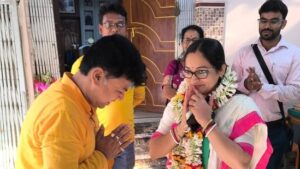
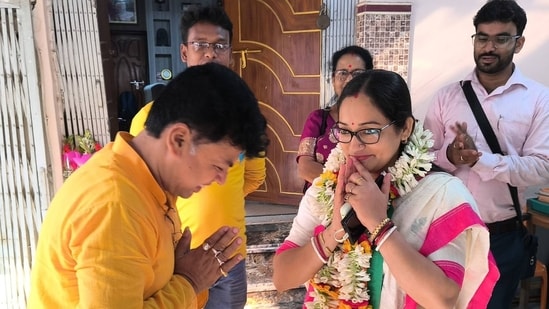
One of the prominent nominations drawing local attention is Indu Ahluwalia, wife of Asansol Member of Parliament Surendrajeet Singh Ahluwalia, who has been fielded from the Raniganj constituency. Local reports from the Paschim Bardhaman district indicate this choice aims to leverage the established political presence of her husband while appealing to a segment of the electorate seeking strong local representation. Raniganj, a seat with a significant industrial and mining history, presents unique challenges and opportunities, and Mrs. Ahluwalia’s candidacy is seen by some local political commentators as a strategic move to consolidate support in an area where the party has been steadily growing.
Another notable inclusion is former Congress leader Manas Saha, nominated for Krishnanagar Uttar. His defection and subsequent candidacy highlight a broader trend observed across the state, where leaders from other parties are joining the BJP, bringing with them their local networks and grassroots experience. News from Nadia district suggests that Saha’s long-standing connection with the local populace in Krishnanagar Uttar could be an asset, potentially swaying undecided voters who are familiar with his work, irrespective of party affiliation. This strategy of integrating experienced local leaders from other parties is a calculated risk, sometimes leading to internal party dissent but often proving effective in securing existing vote banks.
The list also features Dr. Anirban Ganguly from Barasat. His nomination, along with others, reflects a mix of intellectuals, professionals, and community leaders. Local news analysis from North 24 Parganas points out that fielding candidates with diverse backgrounds is an attempt to resonate with various segments of society, from urban educated voters to rural agrarian communities. The BJP’s strategy appears to be one of broad appeal, avoiding a one-size-fits-all approach.
Beyond individual names, the comprehensive list reveals a deliberate party strategy. The inclusion of a mix of youth and experience, alongside defectors and long-time party loyalists, suggests an effort to present a formidable and versatile challenge. Many regional media outlets have highlighted how the party has carefully balanced regional representation, ensuring that different geographical areas and their specific concerns are addressed through local candidates. This meticulous approach is vital in a state as diverse as West Bengal, where local issues often dictate electoral outcomes.
The decision to announce candidates for 287 seats, leaving seven still undeclared, also sparks speculation. Political analysts often interpret such gaps as either strategic placeholders for potential alliance adjustments, difficult internal consensus building, or a tactical move to assess the opponent’s nominations before making final decisions in highly contested seats. Local political gossip columns and grassroots reports indicate that these remaining seats might be areas where negotiations are ongoing or where the party leadership is still evaluating the most impactful candidate to field.
For a 12th standard student trying to understand this, imagine your school’s annual election. The BJP is like one of the big groups trying to win the most positions in the student council. They’ve picked nearly all their candidates for different roles (like class representatives or club leaders). Some candidates are popular students who’ve been with the group for a long time, some are popular students who just joined from another group, and some are new, bright students they think will do well. They’re trying to pick the best person for each role to win the election. Leaving a few positions empty means they’re still thinking about who would be best for those specific roles, maybe waiting to see who the other groups pick first.
The upcoming election is not just about individuals; it is a battle of narratives and organizational strength. The BJP’s candidate list is a crucial step in defining its narrative and showcasing its strength. The focus now shifts to how these candidates connect with the electorate on the ground, navigating local sentiments, and addressing the specific challenges of their constituencies. The coming weeks will see intense campaigning, as each candidate strives to translate their party’s vision into tangible support.
Key Takeaways
* The BJP has nominated candidates for 287 out of 294 state assembly seats, signaling a robust electoral preparation.
* The list showcases a blend of experienced politicians, high-profile defectors, and new faces, reflecting a multi-pronged strategic approach.
* Notable nominations like Indu Ahluwalia (Raniganj) and Manas Saha (Krishnanagar Uttar) underscore a focus on leveraging local influence and absorbing leaders from rival parties.
* The diverse candidate profiles aim to appeal to a broad spectrum of voters across different regions and demographics in West Bengal.
* The seven undeclared seats suggest ongoing strategic considerations, potentially for alliance adjustments or last-minute tactical decisions.
* The focus now shifts to ground-level campaigning and how these candidates resonate with local public sentiment.
This detailed candidate list marks a significant moment in the unfolding political narrative of West Bengal, setting the stage for an intense and closely watched election. Omni 360 News will continue to provide comprehensive coverage, delving deeper into the local impacts and broader implications of these political maneuvers.