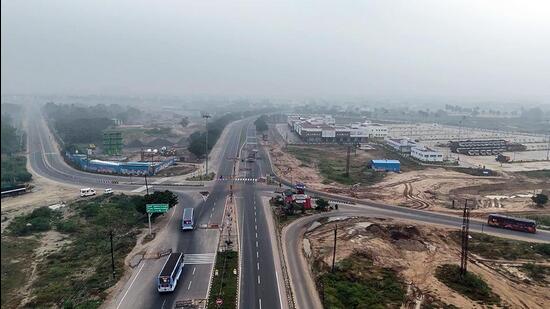
Cabinet clears ₹6,969-crore four-lane UP highway linking Barabanki and Bahraich| India News
The Nepalganj Border Corridor India Nepal’s Crucial Trade Link Key Takeaways
A significant cross-border artery is steadily emerging as a pivotal connector between India and Nepal, specifically through the strategic Nepalganj border point. This developing corridor is not merely a stretch of road; it represents a concerted effort to foster deeper economic ties, streamline trade, and bolster regional prosperity for countless communities on both sides. For decades, the movement of goods and people across this shared frontier has been the lifeblood of local economies, and now, targeted infrastructure enhancements promise to elevate this exchange to unprecedented levels.
For generations, the Indo-Nepal border, particularly in the western plains, has been a vibrant zone of cultural mingling and commercial activity. The Nepalganj Rupaidiha border has historically served as a critical gateway, linking agricultural heartlands of India’s Uttar Pradesh with Nepal’s Lumbini Province. However, traditional trade routes often faced bottlenecks: cumbersome customs procedures, inadequate infrastructure, and fragmented logistics. These challenges frequently led to delays, increased costs, and hindered the full potential of bilateral trade.
Recognizing these persistent hurdles, both the Indian and Nepalese governments have embarked on a collaborative journey to modernize and optimize this vital conduit. The cornerstone of this modernization is often an Integrated Check Post (ICP), a single-window facility designed to consolidate all border-related services such as customs, immigration, quarantine, and security under one roof. While the specifics of the Nepalganj corridor’s ICP might vary in its operational phases, the overarching goal remains consistent: to simplify and expedite the movement of cargo and passengers.
The improvements extend beyond administrative streamlining. Robust road networks, improved warehousing facilities, and efficient cargo handling mechanisms are integral to this corridor’s vision. For instance, enhanced road connectivity on the Indian side, leading directly to the border, coupled with ongoing efforts to upgrade access roads within Nepal, dramatically cuts transit times. This means fresh produce from Indian farms can reach Nepalese markets faster, and Nepalese handicrafts or industrial goods can find their way into India with greater efficiency.
Economic Vibrancy for Local Communities
The direct beneficiaries of this fortified corridor are the countless traders, transporters, farmers, and small business owners operating in the border regions. Imagine a rice farmer in Bardiya, Nepal, or a vegetable grower in Bahraich, India. With smoother customs and quicker transport, their produce can reach larger markets, fetching better prices and reducing spoilage. Local shopkeepers in Nepalganj often rely on goods imported from India, ranging from textiles to electronics. A more efficient corridor translates to lower procurement costs, which can then be passed on to consumers, making essential goods more affordable.
Beyond primary goods, the corridor is expected to unlock potential for value-added industries. Small-scale manufacturing units in Nepal, producing items like cement, steel, or agri-processed goods, gain a competitive edge with streamlined access to the vast Indian market. Conversely, Indian businesses can leverage Nepal’s growing consumer base more effectively. The reduction in logistical friction effectively expands the market reach for enterprises on both sides, fostering healthy competition and encouraging innovation.
From the perspective of Omni 360 News, this project embodies the kind of practical, ground-up development that truly impacts lives. It’s not just about grand declarations, but about tangible improvements that touch the daily routines and livelihoods of millions. The emphasis on localized economic growth is paramount. The corridor generates employment, not only in the logistics and transport sectors but also indirectly by stimulating local production and consumption.
A Deeper Dive into Operational Efficiencies
One of the less visible yet highly impactful aspects of such a corridor involves digital integration. Modern border posts are increasingly employing technology for cargo tracking, electronic data interchange, and risk management systems. This digital backbone significantly reduces paperwork, minimizes human intervention prone to errors or delays, and enhances transparency. For a truck driver navigating the border, this means less time spent waiting in queues and more time on the road, delivering goods.
Furthermore, the corridor aims to standardize procedures, creating a predictable environment for trade. When traders understand the rules and processes clearly, they can plan their operations more effectively, reducing uncertainty and fostering greater investment confidence. This predictability is especially crucial for small and medium-sized enterprises (SMEs) that may not have the resources to navigate complex, inconsistent border protocols.
Strategic Implications and Future Outlook
Beyond direct economic benefits, the enhanced Nepalganj corridor holds significant strategic importance. It strengthens the overall connectivity between India and Nepal, bolstering bilateral relations and fostering a sense of shared prosperity. In a broader regional context, robust trade routes contribute to regional stability and cooperation, integrating economies and creating mutual dependencies that are beneficial for peace and development.
This initiative also aligns with India’s “Neighbourhood First” policy and Nepal’s aspirations for economic growth and diversification. By facilitating easier access to India’s dynamic economy and global supply chains, Nepal can further its industrialization and development goals. Conversely, India gains greater access to Nepalese markets and strengthens its position as a key regional economic partner.
While the path to full optimization always presents challenges—ranging from maintaining infrastructure quality to ensuring seamless inter-agency coordination—the commitment from both nations to this vital corridor signals a promising future. Continuous dialogue, feedback mechanisms from local traders, and adaptive policy-making will be crucial for sustained success.
Key Takeaways
The India-Nepalganj cross-border trade corridor is a strategic infrastructure project designed to significantly boost bilateral trade and foster regional economic growth. Its development focuses on streamlining logistics, reducing administrative bottlenecks, and enhancing physical connectivity between India and Nepal via the Nepalganj border. This initiative directly benefits local communities by facilitating quicker transport of goods, lowering trade costs, and creating new economic opportunities for farmers, traders, and small businesses on both sides. The corridor represents a tangible step towards deepening bilateral relations, ensuring a more efficient, predictable, and prosperous trade environment for both nations, contributing to overall regional stability and development.