CBSE cautions students, parents over false claims linked to QR codes in question papers| India News
CBSE Addresses Student Concerns Over Question Paper QR Codes
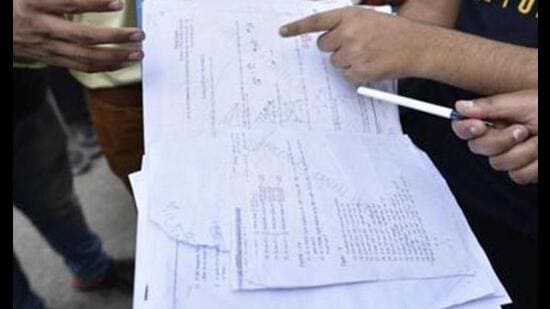
New Delhi – The Central Board of Secondary Education (CBSE) recently issued a crucial advisory, directly responding to a wave of online speculation and student unease concerning QR codes prominently displayed on question papers. This development gained particular traction following the Class 12 history examination held on March 30, igniting a flurry of questions and confusion among students and parents alike across the country. Omni 360 News has been tracking the chatter to bring clarity to this significant educational matter.
The digital age, while offering unprecedented access to information, also presents fertile ground for misinformation. Such was the case when students began noticing the unique QR codes embedded on their examination papers. For many, this was an unfamiliar sight, especially pronounced on the recent history paper. Immediately, theories began to circulate through various online student forums and social media groups. Some students pondered if these codes were a clandestine link to answer keys, while others worried they might be part of an elaborate system to track or even manipulate exam outcomes, leading to unnecessary stress during an already high-pressure period.
The essence of the confusion stemmed from a lack of prior widespread communication regarding the introduction and purpose of these digital markers. In a landscape where academic integrity is paramount, any new, unexplained element can naturally foster suspicion. Students, diligently preparing for their board exams, found themselves distracted by these unverified claims, shifting their focus from revision to decoding internet whispers. Local news outlets reported instances of parents reaching out to schools, seeking clarification, highlighting the depth of this widespread anxiety.
Responding promptly to the escalating concern, the CBSE swiftly released an official advisory. The board unequivocally stated that the QR codes are an integral part of its enhanced security measures aimed at ensuring the sanctity and fairness of the examinations. These codes are designed for the unique identification of each question paper. Think of it like a unique serial number for every single paper, making it distinct and traceable. This technological integration is primarily intended to prevent instances of malpractice, such as paper leaks or tampering, by making each document uniquely identifiable.
The advisory explicitly clarified that these QR codes bear no connection to answer keys, paper leaks, or any other form of manipulation that could compromise the examination process. Their sole function is to bolster the security framework surrounding the board exams, a crucial step in maintaining transparency and trust in the system. The board urged all stakeholders—students, parents, and educators—to disregard any circulating rumors or misinformation and to rely exclusively on official communications from the CBSE website or their respective schools for accurate information.
This incident underscores the ongoing battle against misinformation, particularly in critical sectors like education. While technology offers powerful tools for administration and security, its introduction demands clear, proactive communication to prevent misunderstandings. For a 12th standard student, understanding this is straightforward: imagine if every textbook had a unique digital fingerprint. That fingerprint helps track it and ensure it’s authentic, but it doesn’t contain hidden answers. The QR codes on your exam papers serve a similar purpose – they are security tags, not secret answer guides.
Educational experts and local school administrators have lauded the CBSE’s quick response, emphasizing the need for robust channels of communication in the digital age. Ensuring students can focus on their studies without the added burden of unfounded anxieties is paramount. The incident highlights how rapidly information, whether accurate or not, can spread and impact student well-being during examination periods. For Omni 360 News, monitoring these developments ensures that communities receive verified information.
Key Takeaways:
* QR Codes on Papers Are for Security: The primary purpose of QR codes on CBSE question papers is to enhance security and provide unique identification for each paper, combating potential malpractice.
* No Link to Leaks or Answers: These codes are not connected to answer keys, paper leaks, or any form of exam manipulation.
* Disregard Online Rumors: Students and parents should rely only on official CBSE communications and school advisories to avoid misinformation.
* Exam Integrity is Key: This measure is part of CBSE’s broader effort to maintain the fairness and integrity of board examinations.
* Clarity Matters: Proactive communication from educational bodies is vital to prevent confusion and anxiety among students.
In an era where digital information spreads at lightning speed, both genuine insights and baseless rumors find their way into public discourse. The CBSE’s advisory serves as a timely reminder of the importance of verifying information from credible sources, especially when it pertains to the academic future of thousands of young individuals. As students navigate the rigors of their board exams, a clear understanding of administrative procedures is just as important as their academic preparation.