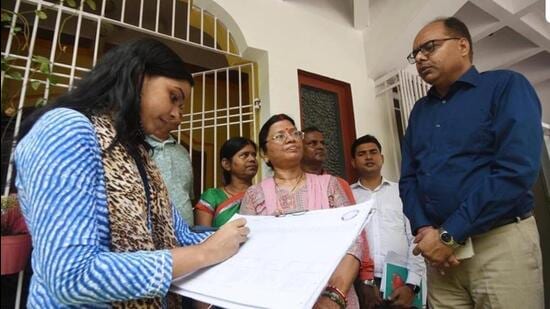
Census 2027: Enumerators asked to be polite, could face jail time for lapses in duty| India News
Census 2027 RGI Directives Define Duties and Penalties
As India prepares for the monumental task of Census 2027, the Registrar General and Census Commissioner of India (RGI) has issued a clear and firm directive outlining the duties of its officers. This comprehensive guidance not only specifies the meticulous conduct expected from enumerators but also carries a significant warning: serious penalties, including potential jail time and fines, for any lapses or misconduct. This move underscores the nation’s commitment to ensuring the accuracy and integrity of this crucial data collection exercise, vital for national planning and development.
For a nation as diverse and expansive as India, the census is more than just a headcount. It is a detailed snapshot of its people, their demographics, socio-economic status, and housing conditions. This invaluable data forms the bedrock upon which government policies, resource allocation, and development programs are built. From deciding the number of schools needed in a district to allocating funds for healthcare or infrastructure projects, the accuracy of census data directly impacts the lives of millions.
The RGI, the central authority responsible for conducting the decennial census, has reportedly circulated detailed guidelines to ensure that Census 2027 proceeds smoothly and with the highest degree of reliability. These directives emphasize several key aspects of an enumerator’s responsibilities, focusing heavily on professionalism, courtesy, and precision.
One of the most prominent points highlighted is the imperative for enumerators to maintain an exceptionally polite and respectful demeanor while interacting with the public. They are tasked with engaging with every household in their assigned blocks, gathering information directly and without bias. This calls for patience, clarity in communication, and an ability to put respondents at ease, ensuring they feel comfortable sharing personal details. The directive reminds officers that their role is not merely transactional but involves building trust within communities.
Beyond politeness, the guidelines stress the critical importance of accurate data collection. Officers must meticulously record information as provided by the respondents, cross-checking details where necessary without being intrusive. Any deliberate misrepresentation of data, omission of details, or fabrication of information is viewed with utmost seriousness. The integrity of the entire census relies on each enumerator’s commitment to truth and accuracy at the grassroots level.
Furthermore, the RGI directive is said to underscore the confidentiality of the collected information. Enumerators are bound by an oath to protect the privacy of individuals and households. The data gathered is strictly for statistical purposes and cannot be used for any other reason or shared with unauthorized entities. This commitment to confidentiality is paramount in fostering public cooperation and ensuring people feel secure in providing their information.
What makes these new directives particularly noteworthy are the explicit warnings regarding penalties for non-compliance. According to the reported instructions, any census officer found guilty of dereliction of duty, negligence, or deliberate misconduct could face stringent legal consequences. These can include a jail term extending up to three years, a fine of ₹1,000, or both. This represents a significant escalation in the enforcement mechanism, clearly signaling that the RGI is taking data quality and officer accountability extremely seriously.
Such strict measures are not without precedent globally, where national statistical exercises are often safeguarded by legal provisions. For India, this emphasis reflects lessons learned from previous census cycles and the increasing awareness of how vital precise, timely data is for governance in the digital age. In an era where data drives decisions across all sectors, from public health to economic policy, the foundational accuracy provided by the census cannot be compromised.
The role of a census enumerator is often challenging, involving extensive fieldwork, interaction with diverse communities, and adherence to strict protocols. By clearly outlining duties and the consequences of failing to meet them, the RGI aims to impress upon every officer the immense responsibility they carry. This clarity is intended to foster a sense of discipline and dedication, ensuring that the entire exercise is carried out with the professionalism it demands.
For the general public, understanding these directives is equally important. Knowing that census officers are trained to be polite and accountable can build greater trust and encourage participation. Conversely, being aware that officers are held to high standards and face penalties for misconduct can reassure citizens about the seriousness of the process and the confidentiality of their data.
As Omni 360 News observes, the upcoming Census 2027 is a colossal undertaking that requires meticulous planning and flawless execution. The RGI’s directive, with its clear articulation of duties and the stern warning of penalties, sets a firm tone for the entire operation. It is a powerful reminder that every individual involved, from the highest officials to the on-ground enumerators, plays a critical role in shaping India’s future through accurate data. This commitment to integrity at every step will be instrumental in delivering a census that truly reflects the nation’s diverse reality.
Key Takeaways
- The Registrar General of India (RGI) has issued strict directives for Census 2027 officers, emphasizing their duties.
- Officers must be polite, accurate in data collection, and maintain confidentiality of information.
- Penalties for lapses or misconduct include up to three years in jail and/or a ₹1,000 fine.
- These measures highlight the RGI’s commitment to ensuring the highest accuracy and integrity of census data.
- The directive aims to instill professionalism and accountability among enumerators, who play a crucial role in national planning.