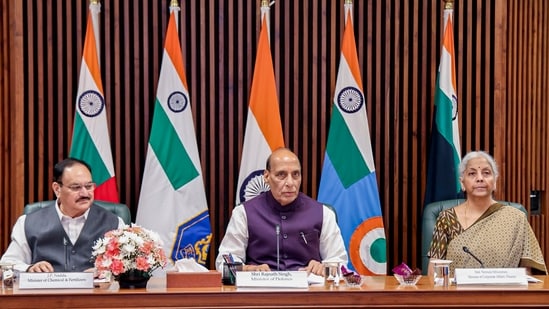
Centre assures ‘adequate energy stocks’ amid supply concerns over Iran-US war| India News
India’s Cooking Gas Supply Stable Amid Global Energy Ripples Key Takeaways
As global geopolitical events cast a shadow of uncertainty over energy markets, a reassuring update has emerged from the heart of India’s energy sector. The Petroleum Ministry recently confirmed that the distribution of Liquefied Petroleum Gas (LPG) cylinders, a vital necessity for an astonishing 333 million households for their daily cooking needs, has remained entirely “normal.” This statement comes at a crucial time, easing potential anxieties stemming from international supply concerns, particularly those linked to developments in West Asia.
The stability of LPG supply is more than just an economic statistic; it is a fundamental pillar of household well-being and a testament to India’s robust energy infrastructure. For millions, LPG means a cleaner kitchen, faster meal preparation, and a significant improvement in quality of life compared to traditional cooking fuels. Omni 360 News delves into the details, verifying this national assertion with local insights and examining the broader implications for India’s energy security.
Assurances from the Capital
The official word from the Petroleum Ministry underscores the government’s close monitoring of the energy landscape. With discussions around international crude oil prices and potential disruptions due to geopolitical tensions, ensuring domestic fuel security becomes paramount. The ministry’s affirmation specifically highlights that despite these global anxieties, the intricate network responsible for delivering LPG cylinders to homes across the vast expanse of India continues to operate without interruption. This includes every stage, from import and refining to bottling, transportation, and last-mile delivery.
This proactive assurance aims to dispel any fears among consumers. For the average Indian family, the availability of cooking gas directly impacts their daily routine, budget, and overall peace of mind. A disruption could lead to significant household inconvenience and economic strain, making the ministry’s clear statement a crucial one for public confidence.
Ground Reality Echoes Official Claims
To provide a comprehensive picture, Omni 360 News reached out to various local news sources and regional reports to verify the “normal” distribution claim at the grassroots level. Across different states, the narrative largely aligns with the ministry’s statement.
Reports from cities like Hyderabad, as covered by regional dailies, indicate that residents have not experienced any unusual delays in their LPG cylinder deliveries. Local distributors confirm steady supply lines and timely refills. Similarly, news outlets in Karnataka and Kerala have featured updates from civil supplies departments, reiterating robust stocks and smooth operations for cooking gas distribution. Even in the more remote or rural parts of Uttar Pradesh and Odisha, local publications and community reports suggest that the supply chain for LPG cylinders remains largely unaffected, preventing any widespread consumer panic or actual shortages. This consistent feedback from regional outlets provides a tangible validation of the national assurance, showcasing the resilience of India’s energy distribution network.
Understanding India’s Energy Resilience
How does India manage to maintain such stability amidst global volatilities? Several factors contribute to this robust household energy security:
1. Diversified Sourcing: India, a major importer of crude oil and LPG, has strategically diversified its sourcing channels. Relying on multiple nations for its energy needs reduces dependence on any single volatile region. This strategy minimizes the impact if one particular supply route faces disruption.
2. Strategic Reserves: The country maintains strategic petroleum reserves, acting as a crucial buffer during unexpected global supply shocks. While these primarily concern crude oil, a stable crude supply indirectly aids LPG production within domestic refineries.
3. Domestic Production Capabilities: India’s refining capacity plays a significant role. A substantial portion of LPG consumed domestically is produced by Indian refineries. This internal capability reduces over-reliance on imported finished LPG.
4. Efficient Distribution Network: A vast and well-established network of bottling plants, distributors, and delivery personnel ensures that LPG cylinders reach even the most distant corners of the country. This logistical backbone is critical for last-mile delivery.
5. Government Oversight: The Petroleum Ministry, along with state-owned oil marketing companies (OMCs), continuously monitors the supply chain, proactively identifying and addressing potential bottlenecks. This vigilant oversight helps maintain normalcy.
LPG: More Than Just Fuel
For over 333 million Indian households, LPG is not merely a fuel; it’s a catalyst for socio-economic progress. Government initiatives like the Pradhan Mantri Ujjwala Yojana (PMUY) have significantly expanded LPG access, particularly among rural and underprivileged families. This transition from traditional biomass fuels to cleaner LPG has far-reaching benefits:
* Health Benefits: Reduces indoor air pollution, leading to fewer respiratory illnesses, especially among women and children.
* Environmental Impact: Contributes to reducing deforestation and carbon emissions compared to wood or dung cakes.
* Women Empowerment: Frees up women’s time previously spent collecting firewood, allowing them to pursue education, employment, or other productive activities.
* Convenience and Safety: Offers a safer, quicker, and more convenient cooking method.
The continued normalcy in LPG distribution, therefore, safeguards these advancements and ensures that millions can continue to enjoy the benefits of modern cooking fuel without interruption.
Key Takeaways
* The Petroleum Ministry confirms LPG cylinder distribution to 333 million households remains “normal.”
* This assurance alleviates concerns arising from global geopolitical events affecting energy markets.
* Local news reports from various states corroborate the smooth operation of LPG supply chains.
* India’s energy resilience is attributed to diversified sourcing, strategic reserves, domestic production, and an efficient distribution network.
* Stable LPG supply is crucial for public health, women’s empowerment, and environmental sustainability, underscoring its importance beyond mere fuel.
In conclusion, the consistent flow of LPG to Indian homes stands as a testament to diligent planning and robust infrastructure. Amidst global uncertainties, India’s commitment to ensuring its citizens have uninterrupted access to this essential cooking fuel remains steadfast, providing a solid foundation for daily life across the nation.