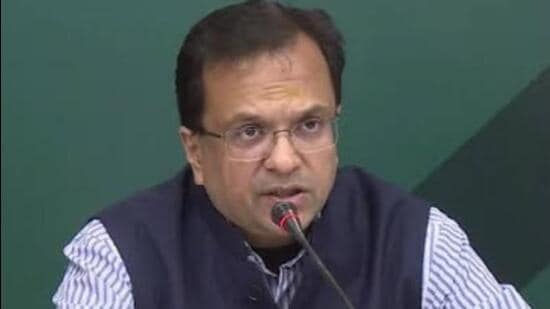
Centre directs states to monitor LPG supply, prevent hoarding and black marketing| India News
Home Secretary Urges States to Combat LPG Hoarding and Black Marketing
New Delhi – In a decisive move to safeguard the availability of essential cooking gas, Union Home Secretary Govind Mohan has called upon Chief Secretaries and Directors General of Police (DGPs) across all states and Union Territories to intensify vigilance over the supply of Liquefied Petroleum Gas (LPG). The directive arrives amidst concerning reports of gas cylinder shortages, prompting a renewed focus on preventing hoarding and curbing black marketing practices that often plague consumer access to vital commodities.
The communication from the Home Secretary underscores the critical importance of an uninterrupted LPG supply for millions of households nationwide. For the ordinary citizen, an LPG cylinder is more than just fuel; it is the cornerstone of daily life, facilitating everything from morning tea to evening meals. Any disruption, whether due to genuine supply chain issues or artificial scarcity created by unscrupulous elements, sends ripples of distress through communities, particularly affecting the most vulnerable sections of society.
Officials are instructed to undertake rigorous monitoring of the entire LPG distribution network. This includes scrutinizing depots, storage facilities, and the delivery mechanisms that connect distributors to end-consumers. The goal is to identify and swiftly dismantle any operations that seek to exploit the demand for LPG by unlawfully stocking cylinders or selling them at exorbitant prices on the black market.
Understanding the Challenge for Households
Imagine a family in a bustling city or a remote village. Their daily rhythm is intrinsically linked to the availability of an LPG cylinder. A sudden shortage means long queues, desperate searches for alternatives, and often, a forced return to less efficient, more polluting cooking methods like traditional chulhas using wood or cow dung. The economic burden is immediate; when legitimate supplies dwindle, black market prices skyrocket, turning an essential commodity into an unaffordable luxury for many. This isn’t just an inconvenience; it can impact nutrition, health, and household budgets severely.
Local news reports from various districts, from the plains of Uttar Pradesh to the coastal stretches of Karnataka, have occasionally highlighted the predicament. Stories often emerge of families struggling to get refills, waiting days or even weeks, or being compelled to pay almost double the standard price for a cylinder sourced illicitly. Such situations not only create economic hardship but also breed a sense of frustration and insecurity among the populace. Omni 360 News believes in bringing these ground realities to the forefront.
State Authorities on Alert
The Home Secretary’s directive serves as a crucial reminder for state police forces and administrative bodies to remain proactive. DGPs have been specifically tasked with deploying intelligence-gathering mechanisms to uncover hoarding activities. This involves a collaborative effort between police, civil supplies departments, and local administration to identify hotspots where black marketing thrives. Surveillance of transportation routes and storage sites becomes paramount to intercept illegal consignments before they reach the black market.
States are empowered to take stringent action under existing laws, most notably the Essential Commodities Act, 1955. This act provides the legal framework to prevent profiteering and maintain supply lines for essential goods. Punishments for violations can include fines, imprisonment, and seizure of hoarded goods. The message from the Home Secretary is clear: there will be zero tolerance for those who exploit public necessity for personal gain.
Furthermore, state administrations are encouraged to enhance transparency in the allocation and distribution process. Public awareness campaigns can play a vital role, educating consumers about their rights, the official pricing of LPG, and channels through which they can report instances of hoarding or black marketing. A well-informed public acts as an additional layer of vigilance, becoming partners in ensuring fair distribution.
Preventing Artificial Scarcity
The core aim of this directive is to prevent artificial scarcity. While genuine logistical challenges or sudden spikes in demand can sometimes strain supply chains, a significant portion of shortages is often attributed to human intervention. Hoarders buy up stock when prices are stable or slightly lower, creating an illusion of shortage, and then release it into the market at inflated rates once panic sets in. This not only distorts the market but also undermines public trust in the system.
For example, a sudden rush on refills before a festival or during peak winter demand can sometimes lead to temporary pressure on distributors. However, when this is compounded by deliberate holding back of stocks, the problem escalates rapidly. The directive aims to preempt such situations by ensuring constant monitoring and immediate intervention.
Key Takeaways for Citizens and Authorities:
* Increased Vigilance: State governments and police forces are under explicit instructions to closely monitor LPG supply and distribution.
* Strict Action Against Offenders: Hoarding and black marketing will invite severe penalties under the Essential Commodities Act.
* Protecting Households: The directive prioritizes ensuring steady and affordable access to cooking gas for all citizens.
* Reporting is Key: Citizens are encouraged to report any instances of overpricing or unavailability to local authorities or relevant consumer helplines.
* Collaborative Effort: Success hinges on coordinated actions between police, civil supplies, and the public.
This proactive stance by the Home Secretary underscores the government’s commitment to safeguarding the interests of consumers and ensuring that basic necessities remain accessible and affordable for every household across the nation. Omni 360 News will continue to track the implementation of these directives and their impact on the ground.