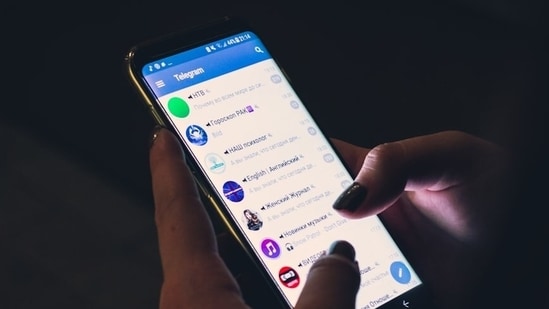
Centre issues notice to Telegram to remove pirated content after complaints from OTT platforms within 3 hours| India News
OTT Piracy Battle Escalates Telegram Channels Under Scrutiny
The digital content landscape in India is facing a significant challenge, with major streaming platforms like JioCinema and Amazon Prime Video raising alarms over widespread content theft. The target of their concern? Encrypted messaging application Telegram, which has become an unwitting haven for the large-scale piracy of films and web series. This escalating conflict highlights a critical struggle for copyright holders and signals a determined push to protect creative works in the online realm.
Omni 360 News has been tracking this complex issue, which touches upon technology, law, and consumer behavior. The heart of the problem lies in the ease with which new releases, often just hours after their official premiere, find their way onto private and public Telegram channels. These channels, some boasting hundreds of thousands of subscribers, offer illicit access to premium content, undermining the massive investments made by production houses and streaming giants.
The issue isn’t new, but the scale has intensified, driven by the rapid growth of the OTT sector in India. As more households subscribe to diverse streaming services, the lure of free, albeit illegal, content proves difficult for some to resist. For a 12th-grade student, imagine spending years on a science project, investing your time, effort, and resources, only for someone to copy it and distribute it for free, taking away all the recognition and potential benefits you deserved. That’s essentially what piracy does to content creators and platforms.
The Silent Scourge: How Telegram Became a Piracy Hotbed
Telegram, known for its strong encryption and user privacy features, has inadvertently created an environment conducive to piracy. Channels can be easily created, allowing administrators to upload and share large files—including full-length movies and entire seasons of web series. Users can join these channels, download the content, and often share it further without much oversight. The perceived anonymity offered by the platform makes it difficult for authorities to trace the original uploaders, creating a cat-and-mouse game between content owners and digital pirates.
Local news reports from various Indian states have consistently highlighted instances where eagerly anticipated blockbusters and popular web series were leaked on Telegram shortly after their release. For instance, a recent ruling by the Delhi High Court, widely reported by regional legal news outlets, directed Telegram to disclose details of channels involved in copyright infringement. This landmark decision came after extensive complaints from platforms and production houses, signifying a pivotal moment in the fight against online content theft. The court acknowledged the significant financial damage caused to the industry and the need for platforms to cooperate in identifying perpetrators.
The High Stakes: Impact on OTT Platforms and the Creative Ecosystem
For platforms like JioCinema, which recently streamed the highly anticipated Indian Premier League (IPL) for free but relies on subscriptions for its premium content, and Amazon Prime Video, a global player with substantial investments in original Indian programming, piracy translates directly into lost revenue. Every illegal download or stream is a potential subscriber lost. This directly impacts their ability to invest in new shows, employ artists, technicians, and countless others who contribute to the vibrant Indian entertainment industry.
Beyond the immediate financial hit, there’s a broader chilling effect. When content is easily pirated, it deters future investment in high-quality productions. Producers and studios become hesitant to pump money into projects if they know their returns will be diminished by widespread illegal distribution. This ripple effect can ultimately stifle creativity and reduce employment opportunities within the film and television sectors, affecting everyone from scriptwriters and directors to junior crew members.
Legal Maneuvers and Enforcement Challenges
The complaints from OTT platforms have spurred various legal actions. Production houses and distributors frequently obtain “John Doe” orders (injunctions against unknown parties) from courts to block pirated content. However, enforcing these orders against ever-proliferating Telegram channels remains a Herculean task. Once one channel is taken down, several others often spring up in its place.
The recent directive for Telegram to reveal information about infringing channels is a crucial step. It moves beyond simply blocking content and aims to identify the individuals behind the piracy operations. This approach seeks to hold the perpetrators accountable, potentially acting as a stronger deterrent. However, the global nature of Telegram and its user privacy policies present ongoing challenges, requiring international cooperation and robust legal frameworks. Indian copyright law, particularly the Copyright Act of 1957 and provisions within the Information Technology Act, 2000, provide the legal backbone for these battles, but their application in the fast-evolving digital space often requires judicial interpretation and technological adaptation.
A Shared Responsibility: Consumer Awareness and Industry Solutions
While legal action is vital, a multi-pronged approach is necessary. Educating consumers about the ethical and economic implications of piracy is paramount. Many users might not fully grasp that accessing pirated content directly harms the creators and entire industries they enjoy. Local community outreach programs and public service campaigns, perhaps supported by organizations like the Indian Broadcasting Foundation or film guilds, could play a role in fostering a culture of respect for intellectual property.
Furthermore, the industry itself needs to continually innovate. Offering diverse content at competitive prices, ensuring wide accessibility, and improving user experience can reduce the incentive for consumers to seek illegal alternatives. Fast, simultaneous global releases, for instance, can minimize the window of opportunity for pirates.
Key Takeaways:
* Telegram has emerged as a major platform for digital content piracy, impacting profits for OTT services like JioCinema and Amazon Prime Video.
* The ease of sharing and perceived anonymity on Telegram fuels the rapid spread of pirated films and web series.
* Piracy causes significant financial losses, potentially stifling investment in new productions and affecting jobs in the creative industry.
* Legal efforts, including court orders requiring platforms to disclose details of infringing channels, are intensifying.
* Effective solutions require a combination of stronger legal enforcement, international cooperation, consumer education, and continued innovation from content platforms.
The fight against digital content theft on platforms like Telegram is an ongoing saga, demanding constant vigilance and adaptation. As digital media continues to evolve, so too must the strategies to protect the integrity of creative works and ensure a sustainable future for the entertainment industry. The coming months will reveal how effectively these legal and technological battles are won, setting a precedent for content protection in the digital age.