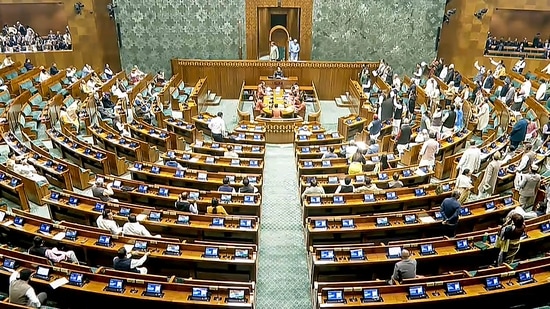
Centre proposes working weekend for MPs to wrap session work| India News
Here is a detailed report from Omni 360 News.
Understanding the Legislative Rhythm From Monday to Friday
Across democratic nations, a common expectation shapes the work of legislative bodies, often referred to as “the Houses” or parliament: they typically conduct their formal business from Monday to Friday. This long-standing tradition isn’t just a matter of convenience; it’s deeply rooted in the practicalities of governance, the demands on elected representatives, and the very rhythm of public life. For most citizens, this conventional five-day workweek aligns with their own schedules, creating a predictable framework for government operations.
The Foundation of the Five-Day System
The practice of Houses sitting primarily from Monday to Friday is no accident. Historically, this schedule evolved to accommodate several critical factors. One significant reason is the geographic spread of constituencies. Many parliamentarians travel considerable distances from their home regions to the capital city where the legislative sessions take place. A Monday-to-Friday schedule allows them to spend weekends in their electoral districts, connecting with constituents, attending local events, and addressing regional concerns. This vital link between representatives and the people they serve is a cornerstone of democratic accountability.
Beyond travel, the legislative process itself demands time outside the main chamber. Committee meetings, where detailed scrutiny of bills occurs, expert testimonies are heard, and policy proposals are refined, often fill the parliamentary week. These intricate discussions require dedicated time slots, and the Monday-to-Friday structure provides the necessary window for this detailed, less public work. Furthermore, parliamentarians spend hours preparing for debates, studying complex legislation, engaging with stakeholders, and responding to constituents’ inquiries—tasks that require consistent daily effort.
When the Rules Bend The Unconventional Shifts
While the Monday-to-Friday model is the norm, it is not an inflexible rule. The nature of national governance often necessitates deviations. During times of national emergency, crisis, or significant legislative urgency, Houses frequently extend their sitting hours into evenings, weekends, or even through traditional holiday periods. Examples include critical budget debates that run late into the night, rapid responses to unforeseen disasters like pandemics or natural calamities, or urgent legislative pushes on matters of national security. These moments underscore the Houses’ ultimate responsibility to serve the nation’s immediate needs, overriding standard procedures.
Moreover, different legislative calendars around the world can introduce variations. Some countries incorporate longer breaks between sessions or structure their weeks with specific days dedicated entirely to committee work or constituency visits, shifting the plenary (full chamber) sitting days. Local government councils and smaller regional assemblies might also adopt tailored schedules to suit their specific community needs and member availability, sometimes opting for concentrated sessions over fewer days.
Modern Challenges and Evolving Practices
In an increasingly fast-paced world, the traditional parliamentary workweek faces scrutiny. Critics sometimes argue that a rigid Monday-to-Friday schedule can slow down the legislative process, making it challenging to respond swiftly to rapidly developing issues. However, proponents emphasize that deliberative democracy requires time for careful consideration, debate, and consensus-building, which a measured pace facilitates.
The advent of technology, particularly in the wake of global events like recent pandemics, has introduced hybrid sittings, allowing some members to participate remotely. This innovation offers potential for greater flexibility and inclusivity, potentially reducing travel burdens and enabling participation even when physical attendance is difficult. While not fundamentally altering the five-day *structure*, it offers new ways to *engage* within that structure.
The balance between the demands of legislative duty in the capital and the crucial work of representing constituents back home remains a constant tension for elected officials. Ensuring parliamentarians have adequate time for both is vital for a healthy democracy, shaping discussions about future parliamentary reforms.
Key Takeaways
The traditional Monday-to-Friday work schedule for legislative Houses is a pragmatic arrangement balancing the complex demands of governance, the logistical needs of members, and their indispensable connection to constituents. While this rhythm occasionally adapts to national imperatives, its core purpose remains to facilitate thorough debate, detailed scrutiny, and accountable representation. The ongoing conversation about modernizing parliamentary operations seeks to enhance efficiency without sacrificing the careful deliberation essential to democratic law-making.