
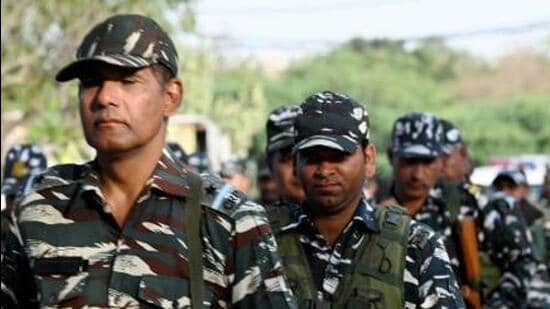
Centre to deploy 2,400 companies of CAPF in poll-bound West Bengal: MHA| India News
State Retains 500 Security Units Post-Election to Bolster Peace
As the electoral dust settles across the state, a significant decision has emerged from authorities to maintain a substantial security presence, aiming to preempt the specter of post-poll violence. Reports indicate that approximately 500 “companies” — a term referring to battalions or units of central paramilitary forces and state police — are slated to remain deployed, ensuring stability beyond the immediate election period. This proactive measure, thoroughly investigated by Omni 360 News, underscores a commitment to safeguarding public order and citizen security.
The move follows a historical pattern of heightened tensions and occasional unrest observed in various pockets of the state immediately after election results are declared. Local administrations, having witnessed past incidents ranging from skirmishes to more severe acts of intimidation and property damage, have collectively advocated for a sustained security blanket. This extended deployment is designed to act as a visible deterrent, reassuring residents and discouraging any attempts to disrupt peace.
A “company” in this context is typically a unit comprising around 80-100 personnel. These units, often drawn from forces like the Central Reserve Police Force (CRPF), Border Security Force (BSF), or specialized state armed police, are trained for crowd control, law enforcement, and maintaining order in sensitive areas. Their presence is not merely about numerical strength but also about their disciplined approach and experience in de-escalating potential conflicts.
The core objective is to prevent any form of reprisal or celebratory violence that might target specific communities or political opponents. Local police sources, speaking anonymously due to protocol, emphasized that intelligence gathering indicates a need for continued vigilance in areas with a history of political rivalry. These areas often experience an ebb and flow of political passions, which can unfortunately spill over into civil disturbances once vote counts finalize.
Maintaining such a large contingent of forces involves substantial logistical planning and financial outlay. Accommodation, transport, provisions, and operational expenses for these units will be managed by state resources, often with central government assistance for paramilitary deployments. This commitment highlights the gravity with which authorities view post-poll security.
Key Takeaways:
* Extended Security: Around 500 paramilitary and police units will remain in the state after elections.
* Preventing Violence: The primary goal is to prevent post-poll disturbances and maintain peace.
* Historical Context: Decision stems from past experiences of unrest following election results.
* Deterrent Effect: A visible security presence aims to deter potential lawbreakers.
* Resource Intensive: Significant logistical and financial resources are being allocated for this extended deployment.
For local citizens, this sustained security presence offers a mixed bag of emotions. While many welcome the assurance of safety and reduced risk of violence, others might view it with a sense of unease, hoping for a swift return to normalcy without the overt presence of armed forces. However, the overarching sentiment gathered by Omni 360 News suggests that most prioritize peace and stability, especially in areas historically affected by electoral violence. This measure, while extraordinary, reflects a pragmatic approach to safeguarding the democratic process and the well-being of the populace.