Chhattisgarh: Bijapur looks to future without Maoist shadow| India News
Bijapur Emerges from Shadow A New Dawn in India’s Anti-Maoist Effort Key Takeaways
For the first time in over six decades, a palpable shift is being felt across certain regions of India, where the long shadow of Maoist control appears to be receding dramatically. Recent reports, echoed by local administration and communities, highlight a significant turnaround, particularly in Chhattisgarh’s Bijapur district, a former stronghold that now breathes with renewed hope. This development marks a pivotal moment in the nation’s persistent battle against insurgency, signaling an unprecedented era of peace and progress for its most vulnerable citizens. Omni 360 News brings you the details of this historic change.
For decades, areas like Bijapur were synonymous with fear, violence, and underdevelopment. Maoist insurgents established parallel administrations, restricting access for government services and infrastructure projects, isolating communities, and stifling any semblance of normal life. Children grew up amidst conflict, and the promise of development remained a distant dream.
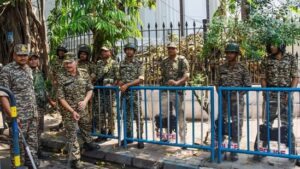
The turning point, as local accounts and government statements suggest, came through a multi-pronged strategy. A decisive push by security forces involved establishing new camps in previously inaccessible, dense forest areas such as Pamed, Usur, and Basaguda. These strategic outposts, once forbidden territories, have not only pushed back the insurgents but also served as conduits for essential services. Local news outlets have frequently reported on the gradual but firm establishment of these camps, paving the way for civil administration to step in.
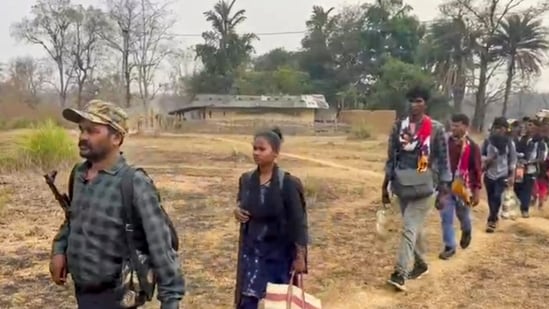
With enhanced security, development initiatives are finally reaching these remote corners. New roads are being constructed, connecting villages that were once cut off from the mainstream. Bridges are replacing dangerous river crossings, and critical infrastructure like schools and health facilities are taking root. For the tribal communities in Bijapur, this means access to education for their children, medical attention, and markets for their produce – fundamental rights previously denied. Local villagers, often quoted in regional media, speak of a palpable sense of relief and optimism, recounting how children can now attend school without fear and families can access basic amenities. This tangible change signifies a return to normalcy and an end to generations of isolation.
Key Takeaways:
* Strategic Security Presence: The establishment of new security camps in core Maoist zones has been instrumental in dismantling their strongholds.
* Development as a Weapon: Infrastructure development – roads, schools, health centers – is actively countering the Maoist narrative and integrating isolated communities.
* Community Empowerment: Local populations are regaining control over their lives, fostering trust in the government and embracing opportunities for growth.
* A Paradigm Shift: While vigilance remains crucial, the success in Bijapur offers a blueprint for weakening the Maoist movement in other affected regions, moving closer to national peace.
The success story in Bijapur is not just about clearing a district; it represents a significant weakening of the larger Maoist network across India. While isolated incidents may still occur, the systematic dismantling of their command and control structures in crucial areas marks a profound shift. It demonstrates that a sustained, coordinated effort combining robust security operations with rapid, inclusive development can indeed liberate regions from the grip of insurgency. The challenge now lies in sustaining these gains and ensuring that the seeds of peace and progress planted today grow into a prosperous future for all. This new dawn, as seen in Bijapur, holds immense promise for a future free from conflict.