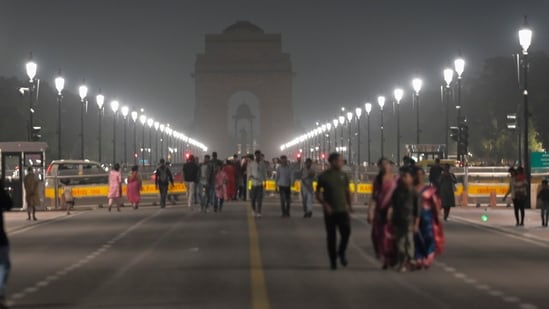
Civic offences to get costlier in Delhi; fine for public urination to be raised from ₹50 to ₹500| India News
Delhi Amends Penalties Civic Infractions Now Costlier
The urban landscape of Delhi is witnessing a significant shift in how civic indiscretions are addressed. Recent amendments to the Delhi Municipal Corporation (DMC) Act, 1957, have brought about a comprehensive overhaul of penalties for minor offences. The changes aim to foster greater civic responsibility by replacing erstwhile nominal fines with substantially higher financial penalties, while simultaneously removing the threat of imprisonment for many petty infractions. This move, widely reported by various local news outlets and municipal official statements, signifies a new approach to urban governance and public order.
For decades, many civic violations in the capital carried fines as low as ₹25 or ₹50, figures that often failed to act as a genuine deterrent. The new provisions dramatically increase these penalties, with some fines soaring from mere double digits to several hundred or even thousands of rupees. At the same time, the amendments decriminalise a total of 102 minor offences, opting for monetary penalties over jail time. This dual approach seeks to streamline the enforcement process, decongest the overburdened judicial system, and provide a more proportionate response to civic missteps.
One of the most immediate impacts for residents will be the steeper cost of seemingly minor transgressions. For instance, the fine for public urination, a long-standing concern for hygiene and aesthetics in the city, is slated to increase ten-fold, jumping from a negligible ₹50 to a more substantial ₹500. Similarly, penalties for littering in public spaces, unauthorised parking, and failure to maintain specific cleanliness standards are also set to see considerable hikes. The intent is clear: to make scofflaws feel the pinch, thus encouraging adherence to civic norms. This isn’t just about revenue; it’s about reshaping public behaviour through economic disincentives, creating a cleaner and more orderly environment for everyone.
The rationale behind these changes extends beyond mere revenue generation for municipal bodies. Officials involved in drafting these amendments, as reported by local Delhi dailies, expressed a desire to reduce the judicial burden. Petty cases involving minor civic violations often clog up lower courts, consuming valuable time and resources that could be better spent on more serious matters. By replacing imprisonment with fines for a range of offences—including certain minor infractions related to property maintenance, trade licence non-compliance, and minor encroachments—the system aims to become more efficient and just. Citizens who commit these minor errors will now face a financial consequence rather than the daunting prospect of a criminal record or jail time, which can have long-lasting societal repercussions.
This strategic pivot aligns Delhi’s municipal laws with a broader trend seen in many modern cities, where administrative penalties are preferred for non-criminal offences. It differentiates between genuinely harmful activities that warrant criminal prosecution and minor civic issues that can be addressed effectively through financial deterrents. The maximum fine for a range of offences can now go up to ₹50,000, underscoring the seriousness with which the authorities view persistent or egregious violations, even if they don’t involve imprisonment.
The public response to these amendments is keenly watched. While the idea of a cleaner city with fewer legal hassles for minor infractions is generally welcomed, the steep increase in fines also places a greater responsibility on citizens to be aware of and comply with municipal regulations. The success of this new framework will largely depend on effective enforcement and transparent communication of the new rules. It is anticipated that Omni 360 News and other media outlets will continue to monitor the implementation and public adaptation to these significant changes in Delhi’s civic life.
Key Takeaways:
* Higher Fines: Penalties for common civic offences like public urination, littering, and illegal parking have been significantly increased, sometimes by tenfold or more.
* Decriminalization: Imprisonment has been removed for 102 minor offences under the DMC Act, replaced entirely by monetary penalties.
* Judicial Efficiency: The aim is to reduce the burden on courts by handling minor infractions through administrative fines instead of lengthy judicial processes.
* Civic Responsibility: The changes seek to instil greater civic discipline among Delhi residents, encouraging adherence to public hygiene and order.
* Proportionality: The new system provides a more proportionate response to minor infractions, focusing on financial deterrents over criminalization.