Class 10 scores to be based on avg of best from exams taken in West Asia: CBSE| India News
West Asia CBSE Exams Halted Amid Conflict Fallout Key Takeaways
The classrooms in West Asia, typically abuzz with the nervous energy of students preparing for their crucial Central Board of Secondary Education (CBSE) examinations, fell silent on March 1. An unexpected directive from the examination board brought an abrupt halt to the scheduled assessments across the region. This significant disruption stems directly from the heightened regional conflict, reportedly sparked by a US-Israeli attack on Iran last month, a development that has sent ripples of instability throughout the Middle East. Omni 360 News has been closely monitoring the situation as it unfolds, impacting thousands of Indian expatriate students and their families.
For many Indian families residing in countries like the United Arab Emirates, Saudi Arabia, Qatar, Kuwait, Bahrain, and Oman, the annual CBSE exams are a pivotal moment. They represent a key milestone in their children’s academic journey, often determining future university placements and career paths. The sudden cancellation, therefore, is far more than a mere scheduling change; it is a source of profound anxiety and uncertainty.
The stated reason for this drastic measure is the escalating geopolitical tensions. Reports indicate that a US-Israeli military action against Iran in the preceding month ignited a volatile regional conflict. While details of the specific military engagements are often mired in complex international reporting, the immediate aftermath has been a palpable rise in security concerns across West Asia. Governments in various countries, including those hosting large Indian diaspora communities, have reportedly reassessed security protocols and, in some cases, issued heightened advisories. It is within this precarious environment that the decision to halt the exams was made, prioritizing the safety and well-being of students and staff above all else.
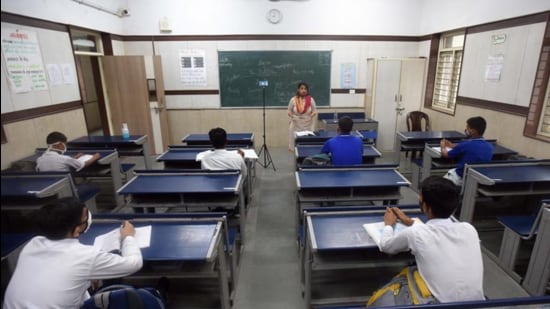
Consider the ordinary 12th-grade student. Months, if not years, of diligent study, late nights poring over textbooks, and intense preparation culminate in these few weeks of examinations. For these students, the news of cancellation arrived as a disheartening blow. The psychological toll of preparing intensely for an event only to have it pulled away at the last minute is substantial. It raises questions about when and how these exams will eventually be conducted, leaving a vast void of uncertainty about their academic future. Many are now left in limbo, unsure about university application deadlines or if they should continue studying the same material or pause.
Schools, too, face immense operational challenges. Indian schools throughout West Asia are integral community hubs, providing education that adheres to the Indian curriculum. They typically host thousands of students each year for these board exams. The logistics of conducting such large-scale examinations require meticulous planning, from securing examination halls and invigilators to managing confidential question papers and answer scripts. When a cancellation occurs due to external security threats, schools must quickly adapt. They are tasked with communicating effectively with concerned parents, managing staff morale, and preparing for eventual rescheduling, all while navigating a fluid and often unpredictable security landscape. Local school administrators, speaking off-record, expressed their deep concern for student welfare, emphasizing the unprecedented nature of this disruption.
The Indian diplomatic missions in the region have also played a crucial role in managing the crisis. Embassies and consulates are often the first point of contact for the expatriate community in times of emergency. In this scenario, they would likely be working in close coordination with the CBSE board in India, local host governments, and school managements to assess the ground situation, relay critical information, and ensure that the interests of Indian students are protected. Their primary goal would be to facilitate a safe and equitable solution for the affected students, whether it involves rescheduling the exams when conditions improve or exploring alternative evaluation methods if the instability prolongs.
Parental concern is naturally very high. Many Indian families move to West Asia for economic opportunities, seeking a better life for their children. Education is a cornerstone of this aspiration. The safety of their children is paramount, and the prospect of regional conflict directly impacting their children’s education creates significant distress. Local community groups and parent associations have reportedly become active channels for information sharing and mutual support, trying to make sense of the situation and advocate for clarity from authorities. The ripple effect extends beyond academics; many families might reconsider their future plans in the region if such instability persists.
This event underscores how deeply geopolitical events can impact the daily lives of ordinary citizens, even those far removed from the direct line of conflict. The decision to cancel exams is not taken lightly; it reflects a serious assessment of the risks involved. It also highlights the vulnerability of educational systems to broader international dynamics. As Omni 360 News continues to follow these developments, the focus remains on the welfare of the students and the hope for a swift return to stability in the region.
Key Takeaways:
* CBSE exams for Indian expatriate students in West Asia were cancelled from March 1.
* The cancellation is attributed to escalating regional conflict following a US-Israeli attack on Iran last month.
* Thousands of students face significant uncertainty regarding their academic future and university admissions.
* Schools are grappling with operational challenges and the psychological impact on their student body.
* Indian diplomatic missions are actively involved in coordinating responses and supporting the expatriate community.
* Parental anxiety is widespread, emphasizing the profound human cost of geopolitical instability.
* The incident illustrates the direct link between international conflicts and the daily lives of communities, particularly in education.
This developing situation continues to be a priority for Omni 360 News, with further updates expected as conditions evolve.