Commercial LPG price hike: Here’s how much you’ll pay now in Delhi, Mumbai, Chennai, Bengaluru| India News
Commercial Gas Price Hike Pinches Businesses Across India Key Takeaways for Eateries
The operational landscape for India’s burgeoning hospitality sector and various commercial establishments has once again tightened its belt, following the second upward revision in commercial Liquefied Petroleum Gas (LPG) rates within a single month. This move, which took effect on April 1, adds significant cost pressures, directly impacting the bottom line of hotels, restaurants, street food vendors, and caterers nationwide. Omni 360 News has been closely monitoring the ripple effects across local economies, where the increase is already translating into difficult decisions for business owners.
Understanding the Latest Price Adjustment
On April 1, the price of a 19-kilogram commercial LPG cylinder saw an increase of Rs 25.50. This adjustment pushed the retail price in major metropolitan areas to new highs. For instance, in the national capital, Delhi, a 19-kg commercial cylinder now costs Rs 1,795. Mumbai’s businesses are facing a price of Rs 1,749 per cylinder. Kolkata’s establishments will now pay Rs 1,900, while in Chennai, the price stands at Rs 1,960.50. Bengaluru also witnessed its commercial LPG rates climbing, reflecting a nationwide trend.
This latest hike follows a similar adjustment on March 1, making it a consecutive jolt for businesses that rely heavily on these cylinders for their daily operations. Unlike domestic LPG cylinders, which saw a marginal cut in price for household consumers, commercial gas rates continue their upward trajectory, highlighting a stark difference in government policy and market dynamics for the two categories.
Why the Costs Are Climbing
The primary drivers behind these recurring price increases are often linked to international crude oil benchmarks and fluctuations in foreign exchange rates. India imports a significant portion of its crude oil and gas, making domestic fuel prices susceptible to global market volatility. When international prices for crude oil or specific gas components rise, and the Indian Rupee weakens against currencies like the US Dollar, the cost of imports goes up. This elevated import cost is then passed on to consumers, particularly commercial users, who face the full brunt of market-linked pricing.
Industry analysts suggest that geopolitical tensions and global supply chain disruptions also play a role, creating an unpredictable environment for energy prices. While these factors are largely beyond the control of local businesses, their impact is very real and immediate.
The Direct Impact on Local Businesses
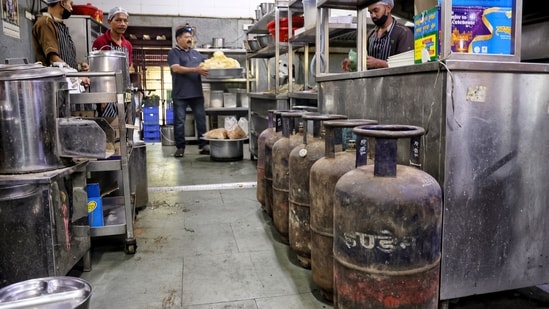
The consistent rise in commercial LPG prices presents a formidable challenge for a wide array of businesses. For a medium-sized restaurant or a bustling hotel kitchen, the monthly consumption of commercial LPG cylinders can run into dozens, sometimes even hundreds. Each price hike, however small it might seem individually, multiplies across these units, adding thousands of rupees to monthly operational expenses.
Local eatery owners, from a small dosa stall in Chennai to a popular café in Mumbai, are expressing concern. Many operate on thin margins, and increased input costs directly eat into their profitability. Mr. Rajesh Kumar, who runs a popular multi-cuisine restaurant in Delhi’s Karol Bagh, told local reporters, “We’ve already seen two increases in less than a month. It forces us to either absorb the cost, which isn’t sustainable, or increase our menu prices. Raising prices risks losing customers, especially in a competitive market.”
This sentiment is echoed across the country. The Federation of Hotel & Restaurant Associations of India (FHRAI) has consistently highlighted how such increases strain the sector, especially as it continues to recover from recent economic slowdowns. Besides restaurants and hotels, other commercial users like bakeries, sweet shops, catering services, and even some manufacturing units that use LPG for heating or processing are feeling the squeeze.
Ripple Effects for Consumers
While the immediate impact is on businesses, the elevated operational costs inevitably trickle down to the end consumer. To maintain viability, many establishments might find it necessary to adjust the prices of their food and beverages. This could mean your favorite cup of chai, a daily meal at a local eatery, or a catered event could become slightly more expensive.
This broader inflationary pressure, fueled by rising energy costs, impacts household budgets and overall consumer spending patterns. In an economy where maintaining affordability is key, such price escalations create a delicate balancing act for businesses and policymakers alike.
Key Takeaways for Businesses and Consumers
For businesses, proactive cost management and exploring energy-efficient cooking solutions become paramount. Negotiations with suppliers for bulk discounts or investing in alternative energy sources, if feasible, might offer some relief in the long run. Omni 360 News will continue to track these developments and provide insights into how local businesses are adapting.
Consumers, on the other hand, should be prepared for potential adjustments in prices at their favorite commercial establishments. Understanding the underlying reasons for these price changes can help contextualize their impact. The continuous monitoring of energy costs remains crucial for both the commercial sector’s stability and overall economic health. This situation underscores the interconnectedness of global energy markets and local daily life, an ongoing story Omni 360 News is committed to covering with depth and clarity.