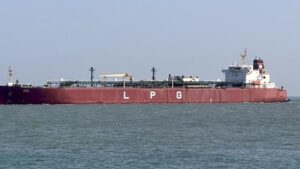
Commercial LPG rate hiked by ₹195, jet fuel price doubled to ₹2 lakh| India News
Delhi Aviation Fuel Costs Skyrocket Impacting Travel
Aviation Turbine Fuel (ATF) prices for domestic airlines in Delhi have witnessed a staggering 114.55% surge, climbing from ₹96,638.14 per kilolitre to an unprecedented ₹207,341.22 per kilolitre. This sharp escalation, confirmed by various economic reports and industry analyses, presents a significant challenge for India’s aviation sector and air travelers alike.
Understanding the Drastic Hike
ATF, essentially a specialized form of kerosene, is the fuel that powers aircraft. It represents a major operating expense for airlines, akin to how petrol costs impact car owners. The recent, dramatic price increase is largely attributed to a confluence of global factors. Escalating international crude oil prices are a primary driver. Compounding this are geopolitical tensions, particularly concerns surrounding the Iran war and potential disruptions to crude oil supply lines through the vital Strait of Hormuz. These global events create volatility and uncertainty in the international oil markets, directly impacting jet fuel costs in nations like India.
Impact on Airlines and Flyers
The immediate consequence for domestic carriers is a substantial rise in their operational expenses. Airlines, already navigating a competitive landscape, will likely find it difficult to absorb such a drastic increase in fuel costs without passing some of it on to consumers. This could translate into higher airfares for passengers across various routes. Budget airlines, which typically operate on thin margins and rely heavily on cost efficiency, are expected to feel this pinch most acutely. For many travelers, this could mean that air travel, which has become increasingly accessible, might become less affordable, impacting holiday plans and business trips alike.
An Omni 360 News Perspective
From an Omni 360 News viewpoint, this situation demands strategic adjustments from airlines. Beyond immediate fare hikes, carriers might need to re-evaluate flight frequencies, optimize routes, or explore more fuel-efficient aircraft options. Industry observers note that such sustained high fuel costs could strain the financial health of some airlines, particularly those with less robust balance sheets. The ripple effect extends beyond ticket prices, potentially influencing the overall growth trajectory of the domestic aviation market.
Key Takeaways
- Delhi’s ATF prices surged over 114% to ₹207,341.22 per kilolitre.
- Global crude oil prices and geopolitical tensions are the main culprits.
- Airlines face higher operational costs, likely leading to increased ticket prices.
- Travelers should anticipate more expensive air travel across the board.
The aviation industry remains on high alert, closely monitoring global events and crude oil markets. While the immediate outlook suggests continued pressure, the sector hopes for stabilization in international conditions to alleviate this significant financial burden on carriers and consumers. Adjustments and adaptations will be key as airlines navigate this period of heightened fuel costs.