Cuba Blames United States for “Piracy” at Sea as Venezuelan Oil Supplies Dry Up
A top Cuban official has accused the United States of committing “international piracy” in the Caribbean Sea. This accusation came after the United States moved to block oil shipments from Venezuela to Cuba — a long-time supplier of fuel to the island nation. The Cuban official claims the U.S. is trying to suffocate Cuba’s economy by stopping oil that the country needs to function.
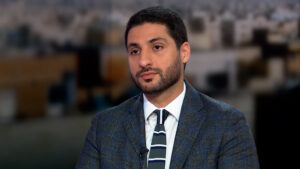
The accusation was made by Carlos de Cespedes, Cuba’s ambassador to Colombia. He spoke in an interview with Al Jazeera and said that the U.S. has placed a kind of “marine siege” around Cuba. According to him, this is one of the strongest threats the island has faced in the 67 years since its revolution. Cuba experienced decades of tension with the U.S. long before, but the ambassador said the current situation is more intense because of recent U.S. military actions.
Cuba and Venezuela have had a close relationship for many years. Venezuela has been the main source of cheap oil for Cuba for decades. This oil was vital for Cuba’s economy because it helped keep fuel supplies steady for transport, electricity, and other essential needs.
However, in recent weeks, U.S. forces have taken strong steps against Venezuelan oil shipments. One of the most dramatic events was when the United States seized a large Venezuelan oil tanker off the coast of Venezuela in December 2025. The U.S. government said the tanker was carrying oil that was subject to sanctions and that they were acting under legal authority. But Venezuela and its allies, including Cuba, called the action piracy and a violation of international law.
Following that seizure, the flow of Venezuelan oil to Cuba almost completely stopped. Cuba’s ambassador said that this move has severely limited the arrival of oil on the island. He described it as the United States trying to cut off Cuba’s essential supplies by intercepting ships in international waters.
The Cuban official argued that what the U.S. is doing in the Caribbean Sea amounts to piracy — which means robbing or seizing ships at sea without legal justification. “The U.S. is carrying out international piracy in the Caribbean Sea that is restricting and blocking the arrival of oil to Cuba,” he said.
For many years, U.S. sanctions and trade restrictions have affected Cuba’s economy. But Cuban leaders say the current pressure is different because it goes beyond economic sanctions to active naval and military interference. They see it as part of a broader U.S. effort to isolate Cuba and weaken its alliance with Venezuela.
The tensions increased after U.S. military forces conducted operations near Venezuela, where they also detained tankers and increased their military presence in the Caribbean region. These actions were justified by U.S. officials as necessary to prevent illegal shipments and protect national interests. But critics say such moves are excessive and violate international norms.
The United States, led by President Donald Trump, has openly said that it does not want Venezuelan oil to reach Cuba. Trump said earlier that Venezuelan oil will now be stopped completely as part of U.S. pressure on the Maduro government in Venezuela. He has also warned that Cuba will suffer economically if it cannot get oil from Venezuela.
President Trump said in early January that Cuba “is ready to fall” because it is no longer receiving Venezuelan oil. He claimed the island got most of its income from such oil and that without it, the Cuban economy would struggle.
Despite these threats and actions, Cuba has continued to find other sources of oil to keep itself running. One of the countries that has supplied oil to Cuba recently is Mexico. But Cuba’s leadership says that this is not enough to replace the large amount of oil it used to receive from Venezuela.
The United States says it is acting for security and legal reasons. U.S. officials argue that many Venezuelan oil shipments are part of networks that try to evade sanctions or are involved in other illegal activities. The U.S. military and Coast Guard have increased enforcement in the Caribbean to intercept such ships. This has caused a lot of debate internationally.
International reactions have been mixed. Supporters of Venezuela and Cuba have criticised the United States, calling it aggressive and violating international law. Some countries have labelled the seizure of tankers and the pressure on oil shipments a threat to freedom of navigation and global trade rules.
Meanwhile, governments that support the United States’ stance say this is part of broader sanctions on Venezuela because of accusations against the Maduro regime. The Trump administration and its allies claim that pressure is needed to force political change in Venezuela and reduce alleged illegal activities, like drug trafficking or corruption.
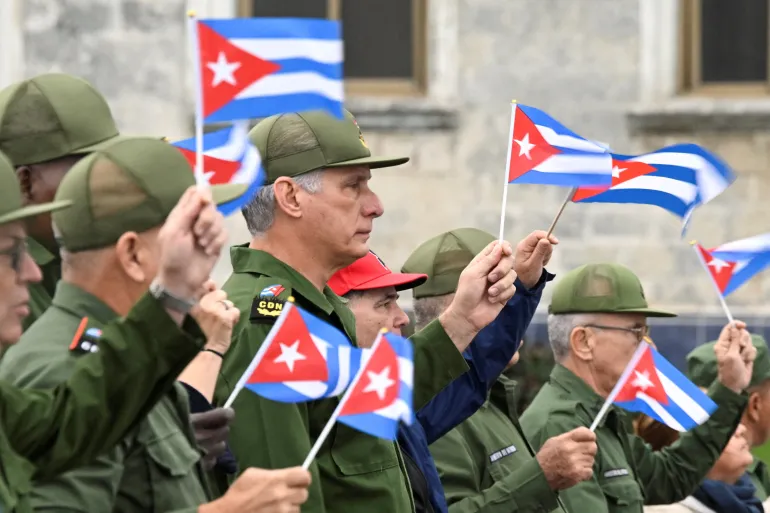
The Cuban ambassador has insisted that Cuba will not give up or be forced into submission by foreign pressure. He said that although Cuba is facing serious challenges, it will continue to stand firm and find ways to support its people.
In the middle of these tensions, ordinary people in Cuba are worried about how reduced oil supplies could affect their daily lives. Fuel shortages could make it harder for buses, trucks, and factories to function. If the situation continues, it could also affect electricity supplies and other essential services.
Experts say that the dispute over Venezuelan oil and the accusations of piracy reflect deeper political conflicts between the United States, Cuba, and Venezuela. These conflicts have a long history and involve questions about sovereignty, international law, and regional influence.
For now, tensions remain high. Cuba continues to accuse the United States of piracy and blockade-like behavior in the Caribbean. The U.S. continues to enforce sanctions and defend its naval actions as necessary. Venezuela, still facing pressure from all sides, has also condemned the U.S. moves and called for international support.
This situation could influence global oil markets, diplomatic relationships in the Americas, and the future of U.S.-Cuba relations. It shows how disputes over energy, national security, and international law can become highly contested in world politics.