Days before IRIS Dena sinking, India allowed another Iran ship to dock in Kochi| India News
Indian Port Kochi Welcomes Iranian Naval Ship Amidst Geopolitical Crosscurrents
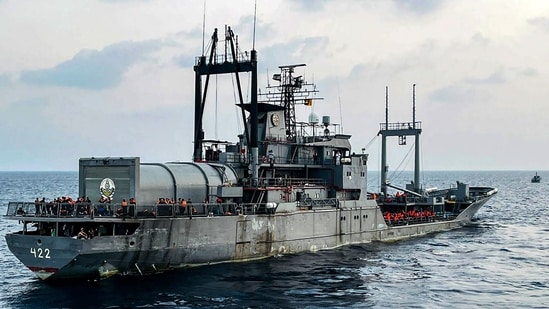
Kochi, a vibrant port city nestled on India’s southwestern coast, recently found itself at the heart of a quiet yet significant diplomatic maneuver. On March 4, the Iranian naval support vessel, IRIS Lavan, smoothly docked at Kochi, an event that unfolded against a backdrop of escalating tensions between the United States and Iran. This docking, facilitated by a direct request from Tehran on February 28, presented India with a delicate balancing act, one it handled with characteristic non-alignment and strategic foresight. For discerning readers following global events on Omni 360 News, this instance offers a clear lens into India’s pragmatic foreign policy.
The chain of events began when the Indian Ministry of External Affairs received a formal request from Iranian authorities. The communication, sent on February 28, conveyed Iran’s need for the IRIS Lavan to dock at an Indian port. While the specific nature of the assistance sought was not fully disclosed publicly, such requests typically involve provisions, minor repairs, or a safe haven for crew rest and resupply amidst uncertain maritime conditions. Given the heightened geopolitical climate at the time, precipitated by increased friction between Washington and Tehran, India’s prompt and positive response underscored its commitment to international maritime conventions and its independent foreign policy.
The IRIS Lavan, a logistics and support ship, arrived in Kochi days later. Its presence at the bustling Indian port was largely uneventful, a testament to the efficient coordination between Indian port authorities and the Iranian crew. Local observers noted the standard protocols for a visiting foreign naval vessel were followed, ensuring security and smooth operations without disruption to commercial traffic. India’s decision to accommodate the Iranian vessel was not merely a logistical one; it was a diplomatic statement. By allowing the IRIS Lavan to dock, India reaffirmed its long-standing principle of providing humanitarian and logistical support to ships of all nations, particularly those navigating complex international scenarios.
To truly grasp the significance of this docking, one must understand the prevailing geopolitical climate of late February and early March. Tensions between the United States and Iran had been simmering for some time, often marked by stern rhetoric, economic sanctions, and an increased military presence in the Persian Gulf and surrounding waterways. This period saw fears of potential naval confrontations or disruptions to vital shipping lanes in the region. For Iran, navigating these waters required careful planning and the assurance of friendly ports for its naval assets. India, with its strategic location and historical ties to both the U.S. and Iran, emerged as a neutral and reliable partner.
India’s foreign policy, often characterized by its strategic autonomy, prioritizes national interests while maintaining cordial relations with a wide spectrum of global players. It has consistently advocated for de-escalation of conflicts and peaceful resolutions. Allowing the IRIS Lavan to dock at Kochi demonstrates India’s resolve to uphold humanitarian principles and maintain its independent stance, rather than being swayed by external pressures to align with one bloc or another. This approach serves India’s long-term interests, ensuring its ability to engage with all nations and protect its extensive maritime trade routes.
For students of international relations or anyone keen on understanding global dynamics, this incident serves as an excellent case study. Imagine a school playground where two powerful groups are having a disagreement. A third, independent group leader offers a safe space to one of the groups when they need a breather, not because they are taking sides in the fight, but because it is the right thing to do and maintains overall peace in the playground. That, in essence, is what India did. It’s about maintaining diplomatic channels open, ensuring maritime safety, and projecting an image of a reliable and responsible international actor.
The docking of the IRIS Lavan at Kochi, while a localized event, carries broader implications. It underscores the critical role that non-aligned nations like India play in moderating international tensions and ensuring stability in maritime regions. Such actions help prevent isolated incidents from spiraling into larger conflicts by offering avenues for de-escalation and humanitarian respite. India’s measured response also reinforces its position as a major maritime power capable of providing support and demonstrating responsible conduct on the global stage.
Key Takeaways:
* Diplomatic Nuance: India’s decision to allow IRIS Lavan’s docking highlights its skilled diplomatic approach and commitment to non-alignment amidst global power struggles.
* Maritime Support: The event showcases India’s adherence to international maritime conventions, offering assistance and safe passage to vessels in need, regardless of their nation of origin.
* Regional Stability: By acting as a neutral facilitator, India contributes to de-escalating tensions and maintaining stability in the broader Indo-Pacific region.
* Strategic Autonomy: The incident reaffirms India’s independent foreign policy, emphasizing its right to make decisions based on its national interests and humanitarian principles.
* Global Reliability: India’s actions project an image of a responsible and reliable international actor, capable of engaging constructively with all nations.
This quiet diplomatic gesture in Kochi, meticulously managed, showcased India’s steady hand on the global tiller, a testament to its enduring commitment to peace and pragmatic engagement.