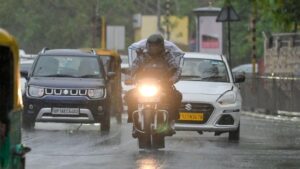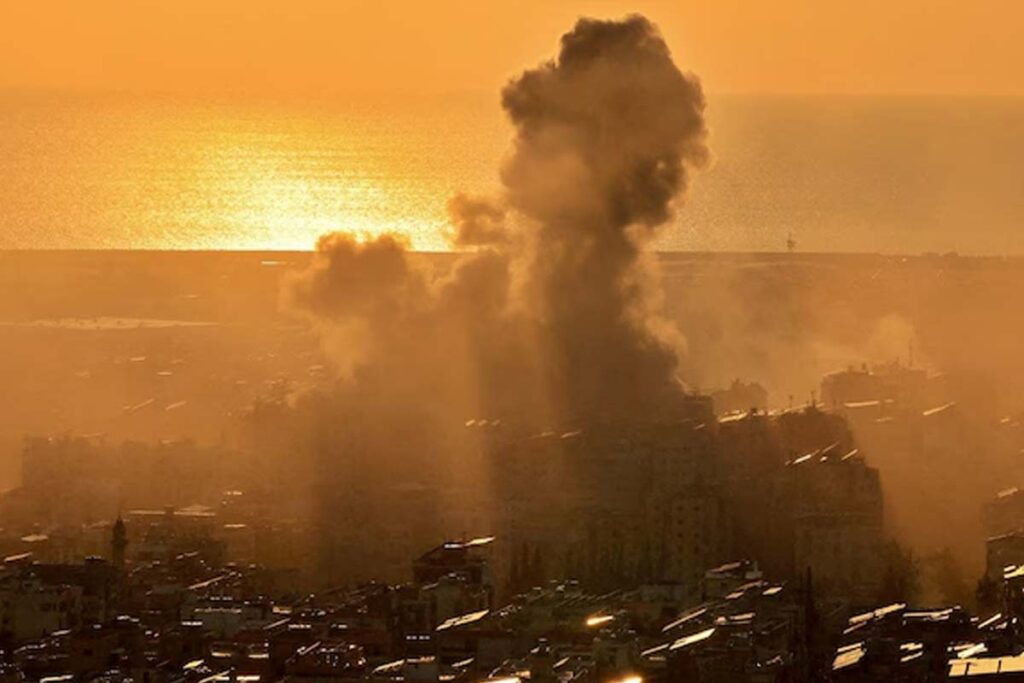
Tehran's air is cleaner than Delhi despite exploding bombs
Unraveling Delhi’s Air Pollution Puzzle Why Cleaner Skies Still Lag Behind War-Scarred Tehran
A perplexing truth has surfaced regarding urban air quality, comparing India’s capital Delhi with conflict-ridden Tehran. Despite recent efforts to improve Delhi’s air, its quality remains shockingly hazardous. This is striking when measured against Tehran, a city enduring conflict, yet boasting remarkably cleaner air.
Recent data paints a clear picture. Tehran’s Air Quality Index or AQI, a measure of airborne pollutants, consistently registers between 50 and 70. This range is considered “good to moderate,” indicating minimal health concerns. Delhi’s AQI, however, frequently hovers above 150, falling into “poor to unhealthy” categories and posing significant health risks.
This disparity raises a fundamental question. How can Tehran, enduring bomb attacks, missile strikes, and oil refinery assaults casting thick black smoke, maintain a better AQI than non-warring Delhi? The visual evidence of conflict might suggest a dramatic surge in Tehran’s pollution. Yet, the numbers differ. The primary reason for this puzzling divergence lies in the cities’ distinct geographical positions and persistent environmental challenges.
Tehran’s air quality, while not pristine, benefits from fewer inherent pollution sources beyond typical vehicular emissions. The city largely avoids widespread agricultural stubble burning or large-scale industrial waste. While conflict impacts are severe, their localized nature and absence of cumulative, long-term environmental degradation might contribute to its surprisingly stable AQI.
Delhi’s pollution battle is far more complex, rooted in its geography. Located in the sprawling Indo-Gangetic Plain, Delhi sits within one of the most polluted regions globally. This geographical trap often results in stagnant air, preventing pollutants from dispersing effectively. Adding to this natural disadvantage are relentless urban development pressures. The city is encircled by numerous industrial facilities, a perpetually congested traffic network, and constant construction projects generating substantial dust.
Beyond these local stressors, seasonal agricultural practices in neighboring states like Punjab and Haryana exacerbate Delhi’s air crisis. Each year, crop stubble burning sends vast smoke plumes directly towards the capital, especially as winter approaches. This annual event, often coinciding with Diwali, blankets Delhi in a toxic haze, compromising public health and visibility. Slow-moving air masses and frequent temperature inversions further trap pollutants close to the ground, creating persistent smog.
Even outside peak stubble-burning season, Delhi’s air quality remains a serious concern. While post-Diwali smog may subside, the city is still plagued by industrial emissions, vehicular exhaust, and construction dust, all trapped by its unique geography. This constant barrage makes Delhi’s battle an ongoing, year-round struggle. Omni 360 News continues to monitor these critical environmental challenges, providing detailed insights into factors affecting urban living.
The contrast with Tehran highlights that while visible destruction might seem the greatest environmental threat, underlying geographical conditions and sustained local pollution sources can pose a far more insidious and chronic danger to a city’s air quality.
Key Takeaways:
* Delhi’s AQI consistently ranks worse (“poor to unhealthy”) than war-torn Tehran’s (“good to moderate”).
* Tehran’s better air quality is linked to fewer chronic environmental stressors like industrial waste or widespread stubble burning, despite direct conflict.
* Delhi’s struggle stems from its location in the Indo-Gangetic Plain, which traps pollutants.
* Major pollution sources in Delhi include surrounding factories, heavy traffic, construction dust, and seasonal agricultural stubble burning from neighboring states.
* Slow air movement and temperature fluctuations intensify Delhi’s smog problem, making it a persistent, year-round challenge.