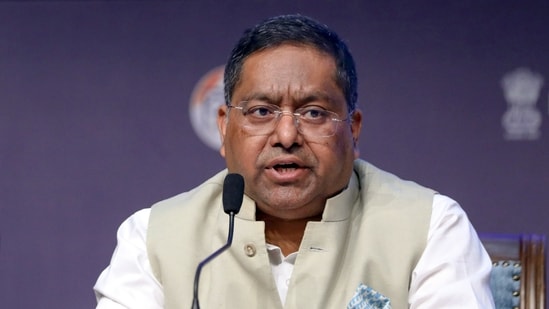
Did MEA say India backs Israel in Iran war, threaten Tehran? Viral video fact-checked| India News
India’s Steadfast Stance Dialogue and Diplomacy for West Asia Stability
As the West Asia conflict continues to unfold, a consistent voice advocating for de-escalation through engagement has been that of India. From the outset, New Delhi has maintained a principled position, emphasizing that dialogue and diplomacy are not merely options, but essential pathways to resolving the complex and deeply entrenched tensions in the region. This stance is rooted in a rich tapestry of historical non-alignment, strategic interests, and a pragmatic understanding of global interconnectedness.
India’s approach to the West Asia crisis is multifaceted, reflecting its long-standing foreign policy tenets. For decades, India has championed strategic autonomy, preferring to chart its own course based on national interests and universal values like peace and stability, rather than aligning with specific power blocs. This independence allows India to engage with all parties, fostering trust and maintaining channels of communication crucial for diplomatic breakthroughs.
At the heart of India’s advocacy for dialogue lies a deep recognition of its own stakes in the region. West Asia is a vital economic corridor, a primary source of India’s energy imports, and home to millions of Indian expatriates whose remittances significantly contribute to the national economy. Any prolonged instability or escalation directly impacts India’s energy security, trade routes, and the safety of its vast diaspora. Therefore, a peaceful and stable West Asia is not just an ideal for India, but a geopolitical and economic imperative.
Through various international forums and bilateral engagements, India has consistently called for an immediate cessation of violence and the creation of an environment conducive to substantive talks. This involves urging all actors to respect international law, protect civilian lives, and work towards a durable resolution that addresses the legitimate aspirations of all peoples involved. India’s history of nuanced engagement with both sides of historical conflicts positions it uniquely as a potential honest broker, should such a role arise.
The call for dialogue extends beyond immediate de-escalation; it implicitly underscores the need for long-term political solutions, including the globally recognized two-state solution. India believes that lasting peace can only emerge from discussions where all voices are heard, and mutually acceptable frameworks are painstakingly negotiated, rather than imposed through force. This measured approach highlights India’s growing stature as a responsible global actor committed to multilateralism and the peaceful resolution of disputes.
Key Takeaways:
* India advocates for dialogue and diplomacy as the primary tools for de-escalating West Asia tensions.
* This stance is driven by India’s strategic autonomy, significant economic ties, and the safety of its diaspora.
* India aims to maintain open communication channels with all parties, reflecting its non-aligned foreign policy.
* The long-term goal for India is a stable West Asia, achieved through negotiated political solutions.
* India’s measured approach reinforces its role as a responsible voice for global peace and stability.
From the perspective of Omni 360 News, India’s consistent articulation of this path offers a valuable counter-narrative, reminding the international community that even amidst profound conflict, the door to constructive engagement must always remain open.