Did PM Modi mention a Covid-like lockdown in his speech? Fact-checking the viral claim| India News
The Truth Behind PM Modi’s Parliament Speech Dispelling Lockdown Rumors Key Takeaways
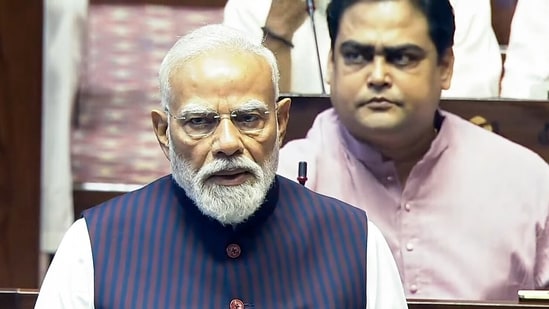
Social media platforms have recently been buzzing with claims suggesting that Prime Minister Narendra Modi hinted at an impending lockdown for India during a speech delivered in Parliament. As the digital landscape often churns with swift, sometimes unsubstantiated, information, it becomes crucial to sift through the noise and understand the factual context. Omni 360 News has investigated these claims, looking beyond the viral posts to what was actually articulated within the hallowed halls of the Lok Sabha and Rajya Sabha.
The widespread chatter on various digital forums has created an environment of speculation, with many users circulating snippets or interpretations of the Prime Minister’s address. These posts often imply a direct or indirect signal towards a nationwide shutdown, stirring concern among citizens and businesses alike. However, a close examination of the parliamentary records and reports from various regional media outlets paints a different, clearer picture.
What PM Modi Actually Said
During his recent addresses in Parliament, Prime Minister Modi has primarily focused on the nation’s economic progress, social welfare initiatives, and the government’s long-term vision. When discussing public health, particularly in the context of managing previous pandemic challenges and preparing for future health exigencies, his emphasis has consistently been on caution, state-level preparedness, and a balanced approach that prioritises both public health and economic stability.
For instance, reports from regional newspapers like ‘Dainik Bhaskar’ and ‘Gujarat Samachar’ concerning recent parliamentary sessions highlight the Prime Minister’s statements about learning from past experiences. He has often underlined the importance of decentralised health management, empowering states and local administrations to respond effectively to health crises without resorting to sweeping national measures. His rhetoric centers on ‘test, track, treat, and vaccinate’ strategies, alongside community-level awareness and adherence to health protocols.
There was no direct mention, nor any subtle hint, of a future national lockdown in the sense conveyed by social media rumors. Instead, the Prime Minister’s remarks have aimed to instill confidence in India’s resilience and its capacity to handle challenges through proactive measures rather than reactive shutdowns. His past criticisms, directed at opposition parties, regarding the handling of migrant workers during the initial COVID-19 lockdown, further underscore his government’s stated intent to avoid such disruptions to economic activity and public life if at all possible. This reflects a learned lesson from the severe economic and social impact of previous nationwide restrictions.
Understanding the Context
It is essential for citizens to understand the difference between a government leader discussing preparedness or reflecting on past challenges, and making a definitive announcement or hint about future policy. Parliamentary speeches are often broad in scope, covering a multitude of topics from national security to agricultural policies. Remarks on public health are typically framed within the larger context of national development and citizen welfare.
Local news analyses, such as those found in ‘The Bengal Post’ or ‘Deccan Herald,’ have consistently reported on the government’s shift towards localised containment strategies and booster vaccination campaigns as primary tools for public health management, rather than large-scale lockdowns. The government’s consistent messaging has been about enabling economic growth and ensuring livelihoods, making a national lockdown a measure of last resort, and certainly not one hinted at in recent parliamentary addresses.
The current economic climate, with a strong emphasis on boosting manufacturing and consumption, further indicates a policy direction away from economically disruptive measures. Any discussion about health advisories or preventive actions is usually aimed at encouraging individual responsibility and state-level readiness, rather than signaling impending national restrictions.
Why Misinformation Spreads
The rapid dissemination of information on social media can often lead to misinterpretations or the spread of unverified claims. A single phrase, taken out of its broader context, can be amplified and twisted to support a narrative far removed from its original intent. In this instance, a leader’s general call for vigilance or a discussion on past pandemic management might have been erroneously interpreted by some as a coded message for future lockdowns. Such phenomena highlight the critical need for media literacy and relying on credible news sources for factual information.
Key Takeaways
* Prime Minister Modi’s recent parliamentary speeches focused on economic growth, social welfare, and a balanced approach to public health.
* Discussions on health management emphasized state-level preparedness, caution, and individual responsibility, without hinting at a national lockdown.
* The government’s strategy continues to prioritise localised containment and vaccination drives, learning from the economic impact of previous lockdowns.
* Social media claims about a lockdown hint appear to be a misinterpretation of general statements, highlighting the importance of verifying information.
* Citizens should always consult official transcripts or reputable news reports, like those provided by Omni 360 News, to understand parliamentary proceedings accurately.
In an age where information travels at lightning speed, separating fact from fiction is paramount. The parliamentary record, backed by diligent reporting from various regional news outlets, confirms that the claims of a lockdown hint from PM Modi are unfounded. The government’s public health strategy continues to evolve, but its stated intent remains focused on sustainable economic activity alongside robust health preparedness, avoiding the broad, disruptive measures of the past unless absolutely necessary.