Election dates 2026 LIVE updates: EC to announce assembly election schedule for four states, one UT today| India News
2026 Assembly Election Dates Unveiled for West Bengal, Tamil Nadu, Assam, Kerala, Puducherry
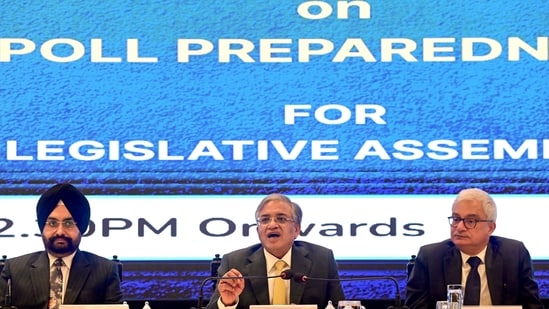
The electoral landscape for 2026 is now taking shape, as the Election Commission of India has officially announced the polling schedule for the upcoming Assembly elections in West Bengal, Tamil Nadu, Assam, Kerala, and the Union Territory of Puducherry. This much-anticipated declaration follows extensive deliberations by the poll panel, a rigorous process aimed at ensuring a fair, accessible, and secure democratic exercise across these diverse regions. Omni 360 News brings you a detailed report on this significant development, impacting millions of citizens.
The announcement comes after the Election Commission conducted a series of high-level meetings. These sessions involved meticulous planning, taking into account a multitude of factors. Discussions ranged from logistical challenges in remote areas to the deployment of security forces, weather conditions, local festivals, and the overall administrative readiness of each state and union territory. The goal is always to create a comprehensive, phase-wise plan that upholds the integrity of the voting process.
For citizens in these five regions, the release of the election dates marks the official beginning of the electoral cycle. It sets the stage for political parties to intensify their campaigns, for candidates to connect with their constituents, and most importantly, for voters to prepare to exercise their fundamental right to choose their representatives.
A Closer Look at the States and Union Territory
Each of the regions heading to the polls in 2026 presents its own unique political and social fabric.
In West Bengal, elections are historically conducted over multiple phases due to its large population, geographical spread, and complex security considerations. The state is known for its vibrant and often fiercely contested political battles, where local issues, state governance, and national narratives frequently intertwine. The staggered approach allows for efficient management of resources, particularly law enforcement personnel, to maintain peace and order throughout the extensive polling period. Voters here will once again participate in what is expected to be a multi-day democratic spectacle.
Moving south, Tamil Nadu is a crucial state with a strong regional political identity. While often witnessing high voter turnout, elections in Tamil Nadu are typically managed in fewer phases, sometimes even a single phase, owing to a relatively contained geographical area and established administrative machinery. The political discourse here often centers on welfare schemes, language, and regional autonomy, making each election a critical test of the ruling and opposition parties’ connect with the populace.
In the northeastern part of the country, Assam too will gear up for its Assembly polls. Given its diverse demography and varying geographical terrains, including plains and hills, elections in Assam frequently occur in multiple phases. Issues such as ethnic identity, migration, development, and connectivity often dominate the electoral debate. The Election Commission’s plan for Assam will undoubtedly focus on ensuring accessibility for all communities, including those in more isolated pockets.
Kerala, known for its high literacy rates and unique political pendulum swings, will also see its voters head to the booths. The state often records commendable voter participation, reflecting a deeply engaged electorate. Elections in Kerala are generally conducted efficiently, often in a single phase, facilitated by its compact size and effective administrative network. The political landscape is characterized by its strong traditional fronts, and the upcoming polls will be a testament to the evolving preferences of its discerning voters.
Finally, the Union Territory of Puducherry, a smaller but equally significant democratic entity, will cast its votes. While its legislative assembly is smaller in scale, the election here carries considerable weight for its residents. Due to its size, Puducherry elections are almost always single-phase, allowing for a swift and concentrated polling process. The outcomes in Puducherry often reflect both local sentiments and broader national political currents.
The Process of Finalizing the Schedule
The Election Commission’s meticulous process involves several key steps. Before announcing the dates, the panel consults with various stakeholders, including state chief secretaries, home secretaries, director generals of police, and central paramilitary forces. These discussions are vital for assessing the ground reality, understanding specific state-level requirements, and coordinating security arrangements.
Security is paramount in ensuring a free and fair election. The phased approach, especially in larger states, enables the efficient deployment and redeployment of central armed police forces to different constituencies on polling days. This strategy is designed to prevent electoral malpractices, ensure voter safety, and build confidence in the system.
Furthermore, the schedule also considers the academic calendar to avoid conflicts with examinations, as well as major religious festivals. Accessibility for voters, including provisions for persons with disabilities and senior citizens, is another critical aspect factored into the planning. Once the dates are announced, the Model Code of Conduct (MCC) immediately comes into effect. The MCC is a set of guidelines issued by the Election Commission to regulate the conduct of political parties and candidates during the election period, ensuring a level playing field and preventing misuse of state machinery.
Democracy in Action
The announcement of election dates is more than just a calendar event; it’s a reaffirmation of India’s vibrant democratic spirit. It signifies the cyclical renewal of governance, where citizens hold the ultimate power to determine their leadership. Each vote cast contributes to the collective future of these states and the nation. Omni 360 News recognizes that these elections are not just about who wins or loses, but about the fundamental right of every citizen to participate in shaping their destiny.
The upcoming 2026 Assembly elections in West Bengal, Tamil Nadu, Assam, Kerala, and Puducherry represent a monumental logistical and democratic undertaking. As the Election Commission lays out the path forward, all eyes will now turn to the campaigns, the promises, and ultimately, the ballot boxes, where the will of the people will be expressed.
Key Takeaways:
* The Election Commission of India has announced the 2026 Assembly election dates for West Bengal, Tamil Nadu, Assam, Kerala, and Puducherry.
* The announcement follows detailed meetings and planning by the poll panel, considering logistics, security, and administrative readiness.
* West Bengal and Assam are likely to have multi-phase elections due to their size and complexity.
* Tamil Nadu, Kerala, and Puducherry may see fewer phases, possibly even single-phase polling.
* The schedule ensures effective deployment of security forces and adherence to the Model Code of Conduct.
* These elections are a crucial exercise in democratic participation, allowing citizens to choose their representatives.
* The process reflects the intricate planning required to conduct free and fair elections across diverse regions.