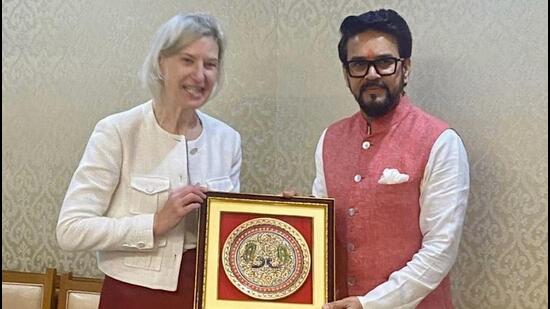
European Parliament will ‘carefully scrutinise’ India-EU FTA, says chair of key panel| India News
India-EU Trade Pact Aims for 2026 Signing, European Parliament Scrutiny Ensues
The ambitious Free Trade Agreement (FTA) between India and the European Union is charting a course towards a significant milestone, with both sides targeting a signing by the third quarter of 2026. This timeline anticipates the pact entering into force the following year, promising a new era of economic partnership. As reported by Omni 360 News and corroborated across various credible outlets, this agreement represents a complex yet vital endeavor for two of the world’s largest economies.
A Long Road to Economic Partnership
For years, both India and the EU have recognized the immense potential in deepening their economic ties. The FTA aims to reduce trade barriers, boost investment, and streamline customs procedures, ultimately making it easier and cheaper for goods and services to flow between the two regions. Think of it like a special fast lane for trade, removing many of the tolls and roadblocks that currently exist. These negotiations, which saw their latest round conclude in January this year, have been intricate, covering a vast array of topics from tariffs on goods to intellectual property rights and sustainability standards.
The idea is straightforward: when countries agree to an FTA, they essentially lower or eliminate taxes (called tariffs) on products traded between them. This makes products cheaper for consumers and more competitive for businesses. For instance, if India exports textiles to the EU, an FTA could mean these textiles face lower import duties, making them more affordable for European buyers and increasing demand for Indian manufacturers. Similarly, European machinery entering India could become less expensive, benefiting Indian industries that use these machines.
Why This Deal Matters
From India’s perspective, securing an FTA with the EU offers access to one of the world’s largest and wealthiest markets, potentially boosting exports in sectors like textiles, agriculture, pharmaceuticals, and IT services. This could translate into more jobs, technological advancements through increased collaboration, and greater economic growth. India is a rapidly expanding economy, and the EU sees this as a crucial partner for diversification and geopolitical stability.
For the EU, the deal provides enhanced access to India’s massive and growing consumer market, offering new opportunities for European businesses in areas like advanced manufacturing, digital services, and green technologies. It also forms a strategic alliance, strengthening supply chains and fostering closer cooperation on global challenges. As the world navigates complex geopolitical shifts, forging strong economic partnerships with like-minded democracies becomes increasingly vital.
The Path Ahead and Parliamentary Watchfulness
While negotiations reached a significant juncture in January, the journey to a full-fledged agreement involves several critical steps. Following the conclusion of technical negotiations, the legal text must be finalized. More importantly, the agreement will then face intense scrutiny from the European Parliament. This body plays a crucial role in approving international treaties, ensuring they align with European values and standards.
Members of the European Parliament, including the chair of key committees, have emphasized that they will meticulously examine the agreement. Their focus will extend beyond purely economic terms to encompass important aspects like labor rights, environmental protections, and human rights. This means that for the FTA to pass, it cannot merely be a good deal for businesses; it must also uphold fundamental principles important to European citizens. This careful review ensures that the agreement is comprehensive and responsible, reflecting a broader commitment to sustainable and ethical trade. Such scrutiny is a normal and necessary part of democratic processes when dealing with agreements of this magnitude, reflecting a commitment to ensuring that trade benefits all, not just a select few.
Key Takeaways for a Clearer Understanding
To simplify, here are the core points to remember about this evolving trade agreement:
* Target Timeline India and the EU aim to sign their Free Trade Agreement by late 2026, hoping it will start working in 2027.
* What an FTA Does It’s an agreement to lower or remove special taxes (tariffs) on goods and services traded between countries, making them cheaper and boosting business.
* Economic Boost Both India and the EU expect this deal to increase trade, investment, and create jobs by opening up each other’s huge markets.
* European Parliament’s Role Before it becomes law, the European Parliament must carefully check the deal, not just for money matters, but also for things like workers’ rights and environmental protection.
* Strategic Importance This agreement is more than just about economics; it’s also about strengthening a strategic partnership between two major global players.
The Road Ahead
The journey towards a ratified India-EU FTA is a testament to complex international diplomacy and economic ambition. The commitment to a 2026 signing, followed by entry into force in 2027, highlights the strategic importance both blocs place on this partnership. While the negotiations have concluded in substance, the period of parliamentary scrutiny will be crucial, ensuring the agreement is robust, equitable, and forward-looking. As Omni 360 News continues to follow developments, the potential for this trade pact to reshape global commerce and foster deeper bilateral ties remains a compelling story.