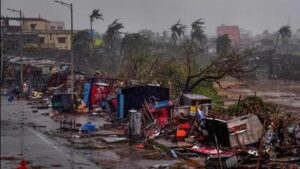
Evictions, displacement may shape verdict in some Assam seats| India News
Assam Elections Land Displacements Shape Key Debates Omni 360 News
Assam’s electoral season is acutely shaped by the contentious issue of land evictions, where thousands have been uprooted, turning it into a central campaign focus. Omni 360 News understands the ground realities, where displacement and compensation promises significantly influence voter sentiment across several key constituencies.
Government-led drives aim to reclaim what it terms “encroached” land, including forest areas, wildlife sanctuaries, and land belonging to indigenous communities and religious institutions. While authorities assert these actions are vital for conservation and protecting native land rights, the human cost is substantial. Local reports from regions like Darrang, Nagaon, and Sonitpur consistently highlight the plight of families, many of whom have lived on these lands for generations.
The impact disproportionately falls on minority communities, particularly Bengali-origin Muslims, often branded as illegal encroachers. These families frequently lack official land documents, rendering them vulnerable to eviction without proper rehabilitation or compensation. This situation leaves countless individuals suddenly landless, facing destitution and an uncertain future. While some indigenous communities also face displacement, the scale and lack of alternatives for minorities underscore a deep-seated humanitarian crisis.
Political parties are keenly aware of this simmering discontent. Opposition groups frequently criticize the government for its perceived harshness and lack of empathy, demanding comprehensive rehabilitation packages and a more humane approach. They accuse the ruling dispensation of targeting specific communities under the guise of land protection. Conversely, the incumbent party defends the evictions as necessary measures to uphold the law, secure indigenous land, and preserve the state’s natural resources, often promising land rights to genuine landless indigenous people.
The promise, or lack thereof, of compensation and alternative housing has become a potent campaign promise, shaping allegiance and swaying undecided voters. For a 12th standard student, think of it like this: Imagine your family has lived in a place for a very long time, but suddenly the government says you don’t own the land and asks you to leave, often with nowhere else to go. This issue, whether fair compensation is given or if people are just pushed out, becomes a huge topic when elections come around because it affects so many lives directly.
Key Takeaways:
* Evictions affect thousands, primarily minority communities, igniting widespread debate.
* Lack of adequate compensation and rehabilitation fuels public discontent.
* The issue profoundly influences voter decisions in several Assam constituencies.
* Political promises surrounding land rights and relief for the displaced are critical campaign elements.