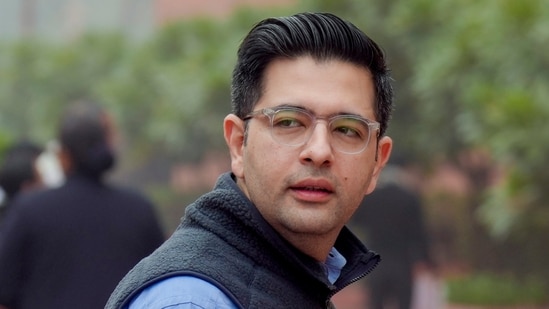
Ex-AAP leader calls Raghav Chadha Kejriwal's 'raazdaar', says whole dispute related to 'extortion'| India News
Allegations Swirl Around Raghav Chadha Extortion Claims Connecting Delhi, Punjab, and London
In the bustling world of Indian politics, where accusations often fly thick and fast, a significant charge has emerged, casting a shadow over a prominent leader. Naveen Jaihind, a former associate and founding member of the Aam Aadmi Party, has leveled serious allegations against Raghav Chadha, a Rajya Sabha MP and a key figure within the party. Jaihind claims that Chadha was involved in collecting extortion money from businesses and individuals across Delhi and Punjab, which he then purportedly transported to London. This developing story has caught the attention of political observers and the public, prompting a closer look at the claims and their potential implications. Omni 360 News brings you a detailed examination of this unfolding narrative.
The Core Allegation Unpacked
The heart of the matter revolves around Naveen Jaihind’s public statements, where he asserted that Raghav Chadha, often described as a close confidante of Delhi Chief Minister Arvind Kejriwal, acted as a conduit for illicit funds. Jaihind’s claims suggest a systematic operation where money, allegedly obtained through extortion, was collected from various sources within both Delhi and Punjab. The most striking part of the accusation is the claim that these funds were then transferred internationally, specifically to London.
Jaihind, during his press interactions, emphasized his past association with the Aam Aadmi Party, suggesting an insider’s perspective on the party’s inner workings. He reportedly displayed a photograph featuring Raghav Chadha, hinting at its relevance to his claims, though the specific details connecting the photo directly to the alleged illegal activities remain part of Jaihind’s broader assertion. He has also been quoted mentioning that Chadha holds substantial assets abroad, further fueling the controversy. For a student understanding, think of it like this: A former teammate of a popular sports star claims the star secretly took money from local businesses and sent it to another country. It’s a big claim made by someone who used to be on the inside.
Who are the Key Figures?
To fully grasp the gravity of these allegations, it’s important to understand the individuals involved.
Naveen Jaihind was among the early architects of the Aam Aadmi Party, contributing to its initial rise. His journey with the party, however, saw a divergence, and he has since become a vocal critic. This background is crucial because his past involvement lends a certain weight to his claims, suggesting he might have knowledge of internal party dynamics. However, his current estranged relationship also means his motives are scrutinized, a common occurrence in political disputes where former allies turn adversaries.
Raghav Chadha, on the other hand, represents the new generation of leadership within the Aam Aadmi Party. A young, articulate, and media-savvy leader, he quickly rose through the ranks, becoming a prominent spokesperson and a Rajya Sabha Member of Parliament. His active role in both Delhi and Punjab politics, especially during the party’s electoral campaigns in Punjab, cemented his position as a key strategist and a trusted lieutenant of Arvind Kejriwal. The allegations against him, therefore, carry significant weight due to his stature and proximity to the party’s top leadership.
The Political Chessboard: Delhi and Punjab Connections
The mention of both Delhi and Punjab as collection points for the alleged extortion money highlights the extensive reach of the accusations. Delhi is the home turf of the Aam Aadmi Party, where it holds a strong majority. Punjab is the other state where the party formed a government, marking a significant expansion of its political footprint. These two regions are crucial to AAP’s national ambitions. Any allegations linking a senior leader to illicit financial activities across these two vital states can potentially impact the party’s image and electoral prospects in both regions.
Political observers note that such allegations often emerge during periods of heightened political activity or ahead of significant elections, serving to destabilize opponents or shift public perception. The timing and nature of Jaihind’s claims place them firmly within this familiar political playbook.
Response and Counter-Response
As is often the case with high-profile political accusations, the immediate response from the accused party is crucial. Reports from various Indian news outlets indicate that, at the time of Jaihind’s allegations, there was no direct, detailed rebuttal from Raghav Chadha or the Aam Aadmi Party specifically addressing the extortion claims. Political parties frequently adopt a strategy of either dismissing such allegations as politically motivated attacks or choosing not to dignify them with a direct response, particularly if they consider the accuser to lack credibility or to be driven by an agenda.
The political discourse surrounding these allegations is a testament to the complex dynamics within Indian politics. Critics of the Aam Aadmi Party have been quick to amplify Jaihind’s claims, using them to question the party’s commitment to clean politics, a foundational plank of its original movement. Conversely, AAP supporters and leaders would likely characterize Jaihind’s statements as an attempt by a disgruntled former member to harm the party’s reputation, especially given his past departure and subsequent criticism.
Navigating Allegations in a Democracy
For citizens, especially young voters like a 12th-grade student, understanding these situations requires a discerning eye. It’s vital to differentiate between an “allegation” and a “proven fact.” An allegation is a claim, often serious, made by one party against another. It serves as a starting point for potential investigation. A proven fact, however, requires evidence, legal scrutiny, and often, a judicial verdict.
In a democratic setup, anyone can make a claim. The role of the media, like Omni 360 News, is to report these claims accurately, provide context, and seek responses from all parties involved. It’s equally important for citizens to follow up on such stories, looking for concrete evidence, official investigations by agencies like the Enforcement Directorate or the CBI, and any legal proceedings that might ensue. Without independent corroboration or official findings, allegations remain just that—claims that need thorough examination.
Key Takeaways:
* Former AAP leader Naveen Jaihind alleges Raghav Chadha collected extortion money in Delhi and Punjab.
* The money was purportedly transported to London, with claims of Chadha possessing foreign assets.
* Raghav Chadha is a prominent Rajya Sabha MP and a close aide to CM Arvind Kejriwal.
* Naveen Jaihind’s past as an AAP founding member adds a layer of complexity to his criticisms.
* The Aam Aadmi Party has not issued a direct, detailed response to these specific allegations.
* These claims underscore the intense political climate and the importance of distinguishing between accusation and verified fact in public discourse.
Looking Ahead
As this story continues to develop, all eyes will be on whether Naveen Jaihind presents further evidence to substantiate his claims, or if any investigative agencies decide to take suo motu (on their own initiative) cognizance of the matter. The political implications for Raghav Chadha and the Aam Aadmi Party could be significant, depending on how these allegations unfold and are addressed in the public and legal spheres. In politics, even an unproven allegation can leave a lingering perception, making the ongoing narrative a crucial one to follow.