Excise duty on petrol cut to ₹3, diesel to zero amid Iran war disruptions| India News
Fuel Duty Cut Explained Impact on Prices and Economy Omni 360 News
A significant fiscal adjustment by the Finance Ministry has reshaped the landscape of fuel taxation, directly influencing the costs of petrol and diesel across the nation. In a move aimed at balancing government revenue with economic stability and consumer relief, the special additional excise duty (SAED) on petrol has been reduced to ₹3 per litre, a substantial cut from its previous rate of ₹13. Similarly, the SAED on diesel has been entirely eliminated, dropping to zero from its earlier ₹10 per litre. This policy shift, as reported, took effect from March 16.
This decision carries considerable weight, particularly in a country where fuel prices are a critical determinant of daily living costs and business operations. For many, understanding what these changes mean beyond the headlines is essential. Omni 360 News delves into the specifics, the underlying reasons, and the anticipated ripple effects of this government initiative.
Understanding Special Additional Excise Duty SAED
To grasp the full impact of this reduction, it is important to understand what special additional excise duty (SAED) actually is. Imagine the total price you pay for petrol or diesel at the pump. This price is made up of several components: the base price of the crude oil, transportation costs, dealer commission, and various taxes imposed by both the central and state governments. Excise duty is one such tax levied by the central government.
Within excise duty, there are different categories. SAED is a specific component that the government can adjust based on various economic factors. It is typically applied to certain goods, including petroleum products, and serves as an additional revenue stream. Unlike basic excise duty, which is more fundamental, SAED offers the government flexibility to respond to market conditions or revenue needs. When the government reduces SAED, it directly translates to a decrease in the central government’s tax collection on each litre of fuel sold.
Why the Change Global Energy Markets and Consumer Relief
The timing and rationale behind such a significant cut are often influenced by a complex interplay of domestic and international factors. While governments continually monitor global crude oil prices, geopolitical events also play a pivotal role. Reports suggest that this particular reduction comes amidst concerns over global energy market volatility, exacerbated by international tensions, specifically mentioning the US-Iran situation.
When global crude oil prices rise, they typically push up the base price of fuel in India. To shield consumers from the full brunt of these increases, or to stimulate economic activity, governments sometimes choose to reduce their own tax components. By lowering SAED, the Finance Ministry signals an intent to ease the burden on consumers and businesses. This act serves a dual purpose: it can help to manage inflationary pressures within the economy by keeping fuel prices in check, and it also provides a direct financial breather for millions of commuters, transporters, and industries reliant on these fuels.
The decision reflects a careful balancing act. On one hand, the government foregoes a significant chunk of revenue from fuel taxes. On the other hand, it aims to foster economic stability, support consumer purchasing power, and potentially encourage industrial growth by reducing input costs for businesses that depend on diesel for logistics and operations.
Direct Impact on Consumers and Fuel Prices
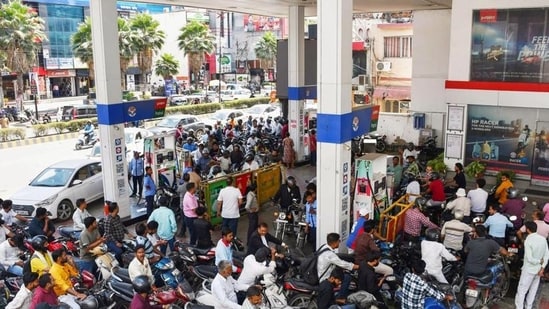
For the average citizen, the most immediate and tangible effect of this SAED reduction is the potential for lower fuel prices at the pump. A ₹10 per litre cut in excise duty on diesel and a ₹10 per litre cut on petrol directly reduces the central government’s tax component. While the final retail price also factors in state-level Value Added Tax (VAT) and dealer commissions, which are usually percentage-based, the initial reduction from the central government is substantial.
For a 12th-grade student, imagine that for every litre of petrol, the government was taking ₹13 as a special additional tax. Now, they are only taking ₹3. That’s ₹10 less that the government collects, meaning the base price before other taxes can be lower. This translates into savings for motorists, making daily commutes and travel more affordable. For households managing tight budgets, even a few rupees saved per litre can add up significantly over a month, freeing up disposable income for other necessities.
Broader Economic Implications
The ripple effect of cheaper fuel extends far beyond individual wallets. Fuel costs are fundamental to almost every sector of the economy.
* Transportation and Logistics: Diesel is the lifeline of India’s commercial transport sector. Lower diesel prices mean reduced operational costs for trucks, buses, and freight services. This can lead to lower freight charges, which in turn can bring down the cost of goods transported across the country. Think of vegetables from farms, manufacturing components, or consumer products reaching your local store – all their transport costs could see a reduction.
* Inflation Management: Fuel prices have a direct correlation with inflation. When fuel gets expensive, everything from food to manufactured goods tends to become pricier because their production and transportation costs increase. By lowering fuel duties, the government aims to mitigate inflationary pressures, helping to keep the overall cost of living stable.
* Agriculture: Farmers heavily rely on diesel for tractors, irrigation pumps, and transporting their produce to markets. A cut in diesel duty offers direct relief to the agricultural sector, potentially leading to lower production costs and more competitive prices for farm products.
* Manufacturing: Industries use fuel not just for transportation but also for various machinery and power generation. Reduced fuel costs can lower manufacturing overheads, potentially boosting industrial output and competitiveness.
* Government Revenue: While beneficial for consumers and businesses, a reduction in excise duty inevitably means a decrease in government revenue from fuel taxes. This requires careful fiscal planning to ensure that other essential government expenditures are not impacted. The government weighs this revenue loss against the broader economic benefits and relief provided to its citizens.
Government’s Balancing Act A Strategy for Stability
The decision to adjust special excise duty reflects the government’s ongoing effort to navigate global economic complexities while ensuring domestic stability. In a volatile international environment, where crude oil prices can swing dramatically based on geopolitical events, managing fuel costs becomes a strategic imperative. By reducing the SAED, the Finance Ministry demonstrates its willingness to use fiscal tools to cushion the economy from external shocks and support economic recovery or growth. This approach underscores a commitment to protecting consumer interests and maintaining the momentum of economic activities.
Key Takeaways from Omni 360 News
* The Finance Ministry has significantly cut special additional excise duty (SAED) on petrol (₹3 from ₹13 per litre) and completely removed it for diesel (₹0 from ₹10 per litre), effective March 16.
* This move aims to provide relief to consumers and businesses amidst global energy market uncertainties and international tensions, specifically mentioning the US-Iran situation as a contributing factor.
* Lower SAED means a direct potential reduction in fuel prices at the pump, benefiting individual motorists.
* The reduction has broader economic implications, including potential relief from inflation, lower transportation costs for industries, and support for the agricultural sector.
* The government’s decision is a strategic measure to balance fiscal revenue with the need for economic stability and consumer welfare.
As Omni 360 News continues to track these developments, the impact of such policy adjustments on the nation’s economic pulse remains a focal point. This reduction in fuel duty is a critical step in the government’s broader economic management strategy, with its effects expected to resonate across various sectors of the Indian economy.