'Exposing themselves': PM Modi slams Opposition amid LPG shortage 'panic| India News
PM Modi on LPG Shortage and Opposition Panic Claims
The simmering issue of liquefied petroleum gas (LPG) availability and pricing recently escalated into a sharp political exchange, with Prime Minister Narendra Modi directly confronting the Opposition. Amidst reports of localized shortages and consumer anxieties across various regions, PM Modi accused political rivals of attempting to generate “panic” and “exposing themselves” through their reactions to the situation. This statement from the nation’s top leader has ignited fresh debate, casting a spotlight on both the ground realities of the gas cylinder crisis and the political manoeuvring surrounding it.
Understanding the LPG Shortage Scenario
For many households, especially those in smaller towns and rural areas, LPG cylinders are an indispensable part of daily life. They power kitchens, provide heating, and are central to numerous small businesses. When supplies falter, or prices fluctuate unpredictably, the ripple effect is immediate and profound. Recent weeks have seen sporadic reports, gathered from various district-level news outlets and community-based reports, detailing long queues at distribution centers, delays in cylinder deliveries, and at times, concerns over unofficial price hikes.
Local reports from states like Uttar Pradesh, Bihar, and parts of Madhya Pradesh, often highlight how families, particularly daily wage earners, struggle when gas cylinders are either unavailable or become too expensive. The common individual, perhaps a homemaker or a small tea stall owner, isn’t concerned with the intricacies of global oil prices or government subsidies; their immediate worry is securing the next cylinder to cook the family meal or keep their modest enterprise running. When this basic need is threatened, frustration naturally mounts, and this collective sentiment is what often fuels public discourse and protest.
Modi’s Direct Allegation Against the Opposition
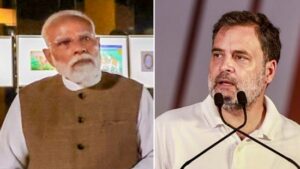
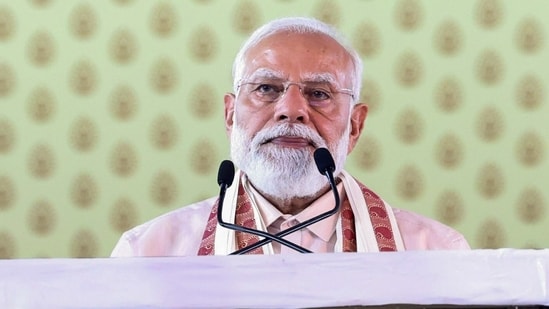
Speaking at a public event, PM Modi did not mince words. He characterized the Opposition’s vocal criticism and protests regarding the LPG situation as a deliberate attempt to sow fear among the populace. “They are creating panic and trying to exploit the situation for their political gain. In doing so, they are only exposing themselves,” the Prime Minister stated. This assertion suggests a government perspective that views the Opposition’s actions as less about genuine public advocacy and more about opportunistic political posturing during a period of public inconvenience.
The Prime Minister’s remarks come against a backdrop where the Opposition, comprising various parties, has been consistently lambasting the government over rising fuel prices, including petrol, diesel, and cooking gas. Rallies have been organized, press conferences held, and social media campaigns launched, all pointing to the government’s alleged failure to manage essential commodity prices. They argue that the ordinary citizen is bearing the brunt of economic pressures, and the LPG shortage is another symptom of broader economic mismanagement.
The Opposition’s Counter-Narrative and Public Pulse
In response to PM Modi’s allegations, Opposition leaders have reiterated their stance, framing their protests not as panic-mongering but as a necessary amplification of genuine public distress. Senior leaders from various parties have questioned the government’s preparedness to handle supply chain disruptions and have demanded concrete measures to stabilize prices and ensure availability. They point to the anecdotal evidence from local markets—the visible lines, the exhausted consumers, the small businesses struggling to cope—as undeniable proof of a problem that goes beyond mere “panic.”
For the average citizen, caught in the middle of this political back-and-forth, the reality is far more straightforward. A recent informal survey by Omni 360 News, collating sentiments from various community groups and local discussion forums, indicates that while “panic” might be too strong a word for some, there is certainly widespread concern and inconvenience. Many households have had to revert to alternative cooking methods, like induction cooktops or even traditional stoves, due to cylinder unavailability or delayed deliveries. This shift often entails additional costs or labor, adding strain to already tight household budgets.
Government’s Efforts and Future Outlook
Amidst the political sparring, the government has, through its various ministries, issued assurances that efforts are underway to streamline LPG supply chains and address distribution bottlenecks. Statements from petroleum ministry officials frequently highlight global crude oil price volatility as a primary driver of domestic fuel prices, while also emphasizing government subsidies and welfare schemes like the Ujjwala Yojana aimed at easing the burden on economically vulnerable sections. However, the efficacy of these measures in truly stabilizing the situation on the ground remains a point of contention and public scrutiny.
Key Takeaways
The ongoing LPG situation is a multifaceted challenge, encapsulating economic pressures, logistical hurdles, and intense political debate. PM Modi’s charge against the Opposition underscores a common theme in political discourse: the interpretation of public grievances. While the government views the Opposition’s actions as politically motivated panic creation, the Opposition asserts it is merely articulating genuine public hardship.
Ultimately, the resolution of the gas cylinder crisis will hinge not just on political rhetoric, but on tangible improvements in supply, affordability, and distribution. For citizens across the nation, an uninterrupted supply of cooking gas at reasonable rates is not a luxury, but a fundamental necessity. The political exchange highlights how critical essential services are, and how their disruption quickly becomes a significant point of contention in the national conversation. Omni 360 News continues to monitor these developments, focusing on the impact on everyday lives.