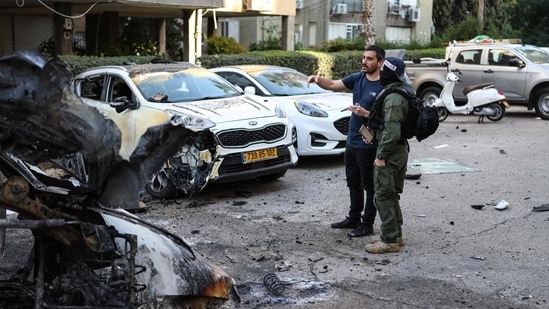
Fact check: Did Iran bomb Tel Aviv amid Middle East escalation? Here's the truth behind viral videos
Viral Tel Aviv Attack Video After Khamenei Strike Debunked as AI-Generated Hoax
A deeply concerning video clip, rapidly circulating across social media platforms, purporting to show Iranian missile strikes devastating Israel’s capital Tel Aviv in retaliation for an alleged attack on Ayatollah Ali Khamenei, has been definitively identified as an elaborate artificial intelligence-generated fabrication. Fact-checkers and open-source intelligence analysts have universally dismissed the footage, warning the public against falling victim to this sophisticated piece of digital disinformation.
The video, which gained traction over the past few days, presents a dramatic and chaotic scene, depicting explosions and emergency services in a seemingly ravaged urban landscape. It was often shared with captions claiming it was direct retribution following news of Ayatollah Ali Khamenei’s death a narrative that itself is entirely false. Iran’s Supreme Leader remains alive and active, further underscoring the layers of deceit embedded in this viral content.
Clear Signs of Digital Manipulation
Close scrutiny of the viral video reveals numerous tell-tale signs of its AI origin. Experts point to several inconsistencies and digital artifacts that betray its manufactured nature:
* Unnatural Movement and Anomalies: Figures in the video often exhibit jerky, repetitive, or otherwise unnatural movements that defy human physiology. Objects and structures can appear to morph or flicker in impossible ways.
* Inconsistent Visual Fidelity: While some elements might appear sharp, others, particularly backgrounds or peripheral details, can be strangely blurred, distorted, or lack the expected depth and realism of genuine footage. Lighting often appears inconsistent with the depicted environment.
* Lack of Specific Detail: Despite the supposed dramatic events, specific identifying features of Tel Aviv architecture or landmarks are conspicuously absent or rendered vaguely.
* Audio Discrepancies: When audio is present, it often fails to sync perfectly with the visual elements or sounds generic and artificial, lacking the nuanced acoustics of real-world events.
* Absence of Photographic Grain: Real-world video, even high-definition, typically possesses a subtle photographic grain. AI-generated content often has an unnaturally smooth, almost plastic-like texture.
“The patterns we observe in this video align perfectly with known characteristics of AI-generated media,” stated a digital forensics expert consulted by Omni 360 News. “It’s a sophisticated attempt to mimic reality, but the subtle flaws are clear to trained eyes.”
No Credible Verification of Claims
Crucially, no legitimate news organization, official government source, or credible eyewitness account has corroborated any aspect of the video’s claims. There have been no reports from Israel or Iran confirming missile strikes on Tel Aviv, nor any official announcements regarding the death of Ayatollah Ali Khamenei. Major international news outlets, including those with extensive on-the-ground reporting capabilities in the region, have made no mention of such an attack.
The lack of any real-world verification is the most compelling evidence against the video’s authenticity. In an era of instant global communication, an event of this magnitude would be immediately and widely reported by multiple independent sources.
The Peril of Geopolitical Disinformation
This AI-generated hoax emerges against a backdrop of escalating tensions in the Middle East, a volatile environment ripe for the spread of misinformation. Such fabricated content has the potential to incite panic, exacerbate existing hostilities, and erode public trust in legitimate news sources. The rapid dissemination of these videos underscores the urgent need for media literacy and critical thinking skills among internet users.
“The intent behind creating and spreading such deepfake content is often to sow discord, manipulate public opinion, or even provoke real-world reactions,” explains a digital security analyst. “It’s a dangerous new frontier in information warfare.”
Omni 360 News Urges Vigilance
Omni 360 News strongly advises its readers to exercise extreme caution when encountering dramatic, unverified videos on social media, particularly those related to sensitive geopolitical events. Before sharing, always consider the source, check for corroboration from multiple reputable news organizations, and be aware of the common indicators of AI-generated content.
In an increasingly complex digital landscape, trusting established, verified news channels and fact-checking organizations is paramount. This viral Tel Aviv attack video serves as a stark reminder of the deceptive power of artificial intelligence and the critical importance of digital vigilance. The alleged events depicted are purely fictitious, a product of sophisticated digital manipulation designed to mislead.