Fan asks Hrithik Roshan if he backed War 2 in VFX debate; actor responds
Hrithik Roshan Addresses VFX Quality Debate War 2 and Fighter Insights Omni 360 News
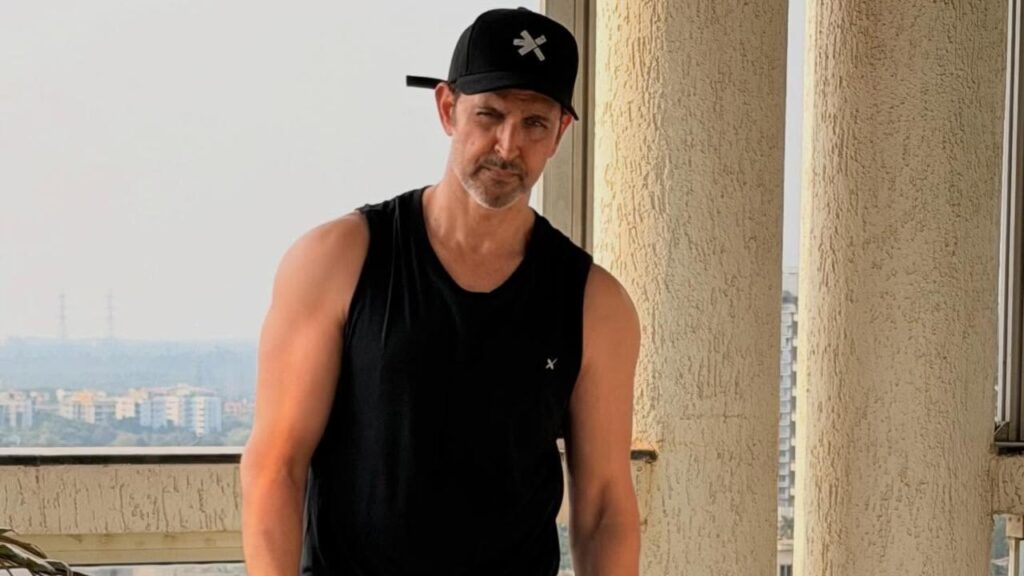
The quality of visual effects in Indian cinema has become a focal point of public discussion, particularly in the wake of recent high-profile productions. Leading the charge in addressing these concerns is actor Hrithik Roshan, whose recent comments have offered a candid glimpse into the intricacies of filmmaking and the challenges faced by production houses. His remarks, widely circulated among film enthusiasts and discussed across various entertainment news outlets, provided clarity on his expectations for films like War 1, the upcoming War 2, and his recent release, Fighter, all against the backdrop of the ongoing debate sparked by the visual effects in projects inspired by the Ramayana epic.
For weeks, discussions around cinematic visual effects have intensified, often drawing comparisons to the ambitious yet sometimes criticized CGI seen in certain mythological adaptations. This heightened scrutiny from audiences and critics alike places immense pressure on filmmakers to deliver visually stunning and believable experiences. It is within this environment that Hrithik Roshan, an actor known for his meticulous approach to his craft and the visual spectacle of his films, stepped forward to articulate his perspective. His statement was not just a defense or a critique, but an attempt to foster a better understanding of the filmmaking process, acknowledging both triumphs and inherent obstacles.
Roshan began by reflecting on the 2019 blockbuster, War. He unequivocally described its visual effects as “perfect.” This assertion highlights a benchmark that the actor believes was successfully met by the first installment. Achieving such perfection involves a complex interplay of creative vision, substantial budget allocation, and the painstaking work of hundreds of VFX artists. The success of War 1 in this regard set a high standard, not just for its creators but also for audience expectations of future action thrillers starring Roshan. The film’s seamless action sequences and grand scale were largely attributed to its effective use of special effects, which managed to immerse viewers without drawing undue attention to the artificiality of the visuals. This praise for War 1 serves as a clear indicator of what Hrithik Roshan considers a high-quality output in terms of visual storytelling.
However, the conversation shifted when addressing the much-anticipated sequel, War 2. Roshan admitted that the visual effects for the upcoming film have been “affected by time constraints.” This is a significant revelation, offering a rare peek behind the curtain of a major Bollywood production. Time constraints are a perennial challenge in the film industry, often forcing tough decisions that can impact various aspects of a movie, including its visual effects. VFX, by its very nature, is a time-consuming process, requiring multiple iterations, approvals, and complex rendering. When schedules are tight, the luxury of extended refinement cycles diminishes, potentially leading to compromises or a less polished final product than initially envisioned. Roshan’s honesty here is commendable, as it humanizes the production process, showing that even big-budget films starring A-list actors are not immune to logistical hurdles. It also manages expectations for the sequel, suggesting that while effort will certainly be made to deliver a compelling experience, some elements might bear the mark of a compressed timeline. Local film industry reports have often highlighted how aggressive release dates can sometimes push VFX teams to their limits, leading to last-minute adjustments that may not always align with the original creative brief.
Turning his attention to his most recent cinematic outing, Fighter, Roshan expressed significant satisfaction. He lauded the film’s visual effects for their “realism.” This commendation is particularly pertinent, as Fighter is an aerial action film, a genre where convincing visual effects are paramount to suspending disbelief. The portrayal of fighter jets, high-octane aerial combat, and realistic physics demands a meticulous approach to CGI. Roshan’s praise suggests that the VFX team on Fighter successfully prioritized authenticity and grounded visuals, creating sequences that felt true to life rather than overtly fantastical. This focus on realism stands in contrast to the more fantastical elements often seen in superhero or mythological films, indicating a clear preference and appreciation for effects that serve to enhance the narrative’s credibility. For Omni 360 News, this insight underscores the diverse demands placed on VFX artists across different film genres and an actor’s discerning eye for what truly works on screen.
The overarching context for Hrithik Roshan’s comments is the prevalent “Ramayana VFX debate.” While he did not directly mention any specific film, the public discourse around recent mythological adaptations with heavily discussed visual effects has undoubtedly raised the bar for audience scrutiny. Filmgoers are increasingly discerning, and poorly executed or unconvincing visual effects can quickly become a major point of contention, overshadowing other aspects of a film. This broader debate has pushed industry stakeholders, including actors, to be more transparent about the challenges and aspirations surrounding VFX. Roshan’s clarification serves as an important contribution to this ongoing conversation, advocating for quality while also acknowledging the practicalities of film production. It reflects a growing industry consciousness about not just meeting, but exceeding audience expectations for visual quality, an essential factor in maintaining the magic of cinema.
Key Takeaways:
* Hrithik Roshan views War 1 as having achieved “perfect” visual effects.
* The visual effects for War 2 are facing challenges due to “time constraints,” highlighting common production hurdles.
* Roshan praised Fighter for its “realism” in visual effects, indicating a strong preference for authentic cinematic experiences.
* His comments offer valuable insight into the filmmaking process amid the broader “Ramayana VFX debate” and increased audience scrutiny.
* The actor’s transparency helps manage audience expectations and underscores the complex interplay of artistic vision and logistical realities in film production.
In essence, Hrithik Roshan’s statement is more than just an actor’s opinion; it is a significant commentary on the state of visual effects in Indian cinema. It underscores the critical balance between artistic ambition, budgetary realities, and the ever-present pressure of production timelines. As the industry continues to evolve and audiences become more sophisticated in their understanding of cinematic techniques, such candid discussions from prominent figures like Roshan are vital for fostering transparency and driving improvements in filmmaking quality. For dedicated film watchers and industry insiders alike, these insights from the front lines of production offer a valuable perspective on the continuous pursuit of visual excellence on the big screen, as observed by Omni 360 News.