Fears of cable cuts in Red Sea, internet disruptions rise as US-Iran war escalates
Fears Grow for Red Sea Internet Cables Amidst Rising Tensions
The internet often feels invisible, a magical pipeline connecting the globe. Yet, its reach fundamentally depends on physical cables laid deep beneath the oceans. A significant concern is now gripping the global digital community, particularly as escalating conflict in the Red Sea, fueled by US-Iran tensions and Houthi actions, poses a severe threat to these vital digital arteries. For many nations, including India, the fear of a widespread internet outage is no longer a distant possibility.
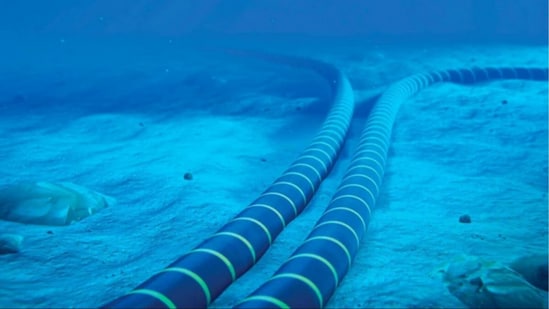
The Red Sea is a narrow, crucial passage, acting as a superhighway for numerous fiber optic cables that carry the vast majority of global data. These critical conduits transmit everything from daily emails and video calls to complex financial transactions. Recent reports, corroborated by analyses from regional telecom watchdogs and experts, indicate that several major cables—including the Seacom, TGN-EA, and AAE-1 systems—have already sustained damage. While investigations into the exact cause are ongoing, the heightened maritime conflict and Houthi attacks on commercial shipping dramatically increase fears of further accidental or even deliberate cuts. Omni 360 News recognizes the urgency of this critical infrastructure vulnerability.
India, a major player in the digital economy, relies heavily on these Red Sea routes, with over 80 percent of its international internet data flowing through them. Should more cables be severed, the consequences would be widespread and disruptive. Businesses dependent on fast global connectivity would face significant slowdowns, impacting everything from cloud services to online trade platforms. Everyday internet users could experience persistent buffering, dropped connections, and considerable difficulty accessing international websites and services. Repairing these deep-sea cables is a complex, lengthy, and inherently risky process, requiring specialized ships and equipment to operate in an increasingly volatile region.
This precarious situation underscores the urgent need for international cooperation to safeguard this shared digital infrastructure. While some data rerouting is technically possible, the sheer volume carried by the Red Sea cables means any major disruption would be acutely felt across multiple continents. Nations and telecommunication providers are actively exploring contingency plans and alternative routes, but the immediate threat to the reliability of global internet connectivity remains a pressing issue for the world.
Key Takeaways:
- Red Sea is Key: A vital internet highway, carrying vast global data, is at risk due to regional conflict.
- Houthi Threat: Their actions in the Red Sea could accidentally or intentionally damage crucial undersea cables.
- India’s High Stakes: Over 80% of India’s internet traffic relies on these vulnerable Red Sea routes.
- Difficult Repairs: Fixing damaged cables is a long, dangerous task, especially in a conflict zone.
- Global Impact: Potential internet slowdowns or outages could affect many users and businesses worldwide.