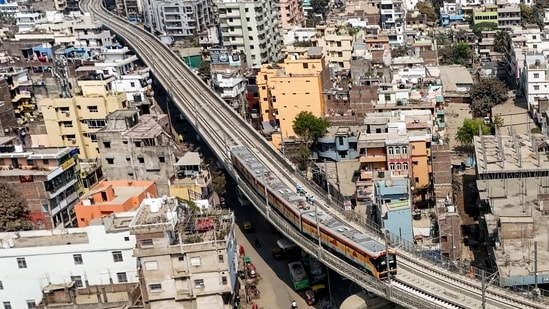
From dancing in public to smoking in metro, everyday offences may no longer be criminal: Jan Vishwas Bill 2026 explained| India News
India Embraces New Legal Path Decriminalising Minor Breaches The Jan Vishwas Act
A significant shift in India’s legal landscape is now unfolding, promising relief for countless citizens and businesses alike. What began its journey in the Lok Sabha as the Jan Vishwas (Amendment of Provisions) Bill, 2023, has successfully navigated both houses of Parliament and officially become an Act. This landmark legislation aims to transform a multitude of minor criminal offences into civil monetary penalties, a move poised to declutter the nation’s overburdened judicial system and foster an environment of greater trust between the state and its citizens.
For decades, many everyday infractions, some seemingly trivial, carried the weight of criminal prosecution. This often led to citizens facing court summons, legal battles, and even the threat of imprisonment for actions that, while undesirable, did not pose a significant threat to public safety or order. The government’s core philosophy behind the Jan Vishwas Act is to usher in an era of ‘ease of living’ and ‘ease of doing business’ by removing the fear of criminal proceedings for minor, technical, or procedural defaults.
Unclogging the Wheels of Justice
The rationale is clear. India’s courts grapple with a staggering backlog of cases. Many of these involve minor offences, consuming valuable judicial time and resources that could be better directed towards more serious crimes. By decriminalising these lesser violations, the Jan Vishwas Act seeks to free up the courts, allowing them to focus on substantive legal matters and deliver swifter justice. This approach also seeks to reduce the burden on law enforcement agencies, who often spend considerable time investigating and prosecuting these minor cases.
The sheer scale of this legislative overhaul is notable. The Jan Vishwas Act impacts an impressive 42 Central Acts across 19 ministries and departments. This broad sweep covers a diverse range of areas, from environmental protection and food safety to railways and post office regulations. It represents a comprehensive effort to modernise and rationalise India’s legal framework, making it more contemporary and responsive to the needs of a developing economy.
Everyday Offences No Longer Criminal
Consider some of the common scenarios that previously fell under criminal statutes. The Cattle-trespass Act of 1871, for instance, once imposed a criminal penalty for allowing animals like pigs to trespass. This meant a farmer whose livestock inadvertently wandered onto another’s property could face criminal charges. Similarly, the Railways Act of 1989 included criminal provisions for acts like defecating in public on railway premises or unauthorised hawking. Even minor violations under the Post Office Act of 1898 or the Prevention of Cruelty to Animals Act of 1960 previously attracted criminal penalties.
Under the new Jan Vishwas Act, these offences, along with many others, will no longer lead to criminal proceedings or imprisonment. Instead, they will be subject to monetary penalties. This fundamental shift means that an individual found engaging in such an act will face a fine, rather than a police record or a court case that could drag on for years. This change aims to offer a proportionate response to minor infractions, moving away from a punitive approach that often disproportionately affected common citizens.
The New System of Penalties
The Act outlines a structured approach to these new monetary penalties. Instead of fixed fines, the legislation introduces a mechanism for their periodic revision. Penalties will see an increase of 10 percent every three years. This built-in adjustment mechanism is designed to account for inflation and maintain the deterrent effect of the fines over time, ensuring they remain relevant and effective without requiring constant legislative amendments.
The enforcement mechanism for these new penalties will involve government-appointed adjudicating officers. These officers will be responsible for assessing and imposing the monetary penalties for violations under the amended Acts. To ensure fairness and provide a recourse for those who believe they have been wrongly penalised, the Act also establishes appellate authorities to hear appeals against the decisions of these adjudicating officers. This tiered system aims to balance efficiency with accountability.
Implications for Citizens and Businesses
For the average citizen, the Jan Vishwas Act brings a welcome sense of relief. The fear of inadvertently committing a ‘crime’ for a minor lapse is significantly diminished. This fosters a less adversarial relationship with governmental bodies and law enforcement. For businesses, particularly small and medium enterprises, this is a game-changer. Minor procedural non-compliances, often arising from technicalities rather than malicious intent, previously carried the risk of criminal charges, which could severely impact reputation and operational continuity. By converting these into civil penalties, the Act significantly reduces compliance burdens and promotes a more business-friendly environment.
However, the success of this legislation will depend on its effective implementation. Clear guidelines for adjudicating officers, transparent appeal processes, and public awareness campaigns will be crucial to ensure the benefits truly reach every corner of the country. *Omni 360 News* will continue to follow the practical application of this landmark legislation, observing how this transformative legal shift shapes the lives of everyday Indians.
Key Takeaways:
- The Jan Vishwas (Amendment of Provisions) Bill, 2023, has passed Parliament and is now an Act.
- It converts numerous minor criminal offences across 42 Central Acts into monetary penalties.
- The primary goal is to ease the burden on India’s judicial system and promote ‘ease of living’ and ‘ease of doing business’.
- Examples include decriminalising pig trespass, public defecation on railway property, and minor environmental or postal violations.
- Penalties will be monetary fines, increasing by 10 percent every three years.
- Government-appointed adjudicating officers will impose penalties, with an appellate system for recourse.
This Act represents a considered pivot in India’s governance strategy. By adopting a more civil approach to minor infractions, the government aims to build a system based on trust and compliance rather than fear of criminal prosecution. It’s a pragmatic step towards a more efficient and citizen-friendly legal framework, signifying a mature evolution in the nation’s approach to law and order.