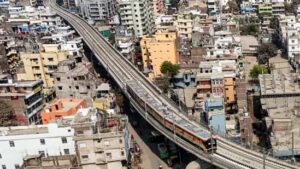
Gap between growth & liveability increasing in Indian cities: Janaagraha report| India News
India’s Urban Future 723 Million by 2050 Key Takeaways
By the year 2050, India is projected to house an astonishing 723 million people in its urban centers. This demographic shift represents a monumental transformation, placing more individuals within India’s cities and towns than the combined populations of all ten ASEAN member nations. This impending reality presents both immense opportunities and significant challenges for communities across the subcontinent. Omni 360 News examines what this means for the nation’s trajectory.
A Shifting Landscape for Millions
The sheer scale of this urban migration is difficult to overstate. It signifies that over half of India’s population will reside in urban areas, moving from predominantly rural settings. This isn’t merely about numbers; it’s about altering the fundamental fabric of society, economies, and local environments. As observed in municipal planning discussions from various states, this growth will likely concentrate in existing metropolitan hubs while also catalyzing the expansion of smaller towns into bustling cities. The movement reflects aspirations for better livelihoods, education, and access to services, drawing families towards perceived centers of opportunity.
Navigating the Urban Labyrinth Challenges and Concerns
Such rapid urbanization brings forth a multitude of pressing issues that local governments and citizens must collectively address. Reliable and affordable housing remains a primary concern; reports from local advocacy groups consistently highlight existing housing deficits. The provision of adequate infrastructure—clean water, sanitation, electricity, and efficient public transportation—will require colossal investment and astute planning. Without these essentials, overcrowded conditions risk exacerbating public health challenges and reducing overall quality of life.
Environmental sustainability also stands at a critical juncture. Increased population density often correlates with higher consumption, waste generation, and pollution. Local environmental watchdog organizations frequently point to the need for robust urban planning that integrates green spaces, effective waste management systems, and sustainable energy solutions to mitigate ecological impacts. Employment generation is another vital area; cities must create enough jobs to absorb the influx of new residents, ensuring economic stability and preventing social unrest.
Seizing the Opportunity Smart Growth and Innovation
Despite the formidable challenges, this urban expansion also presents an unparalleled opportunity for India to drive economic growth and foster innovation. Cities are natural engines of economic activity, attracting investment, talent, and entrepreneurial spirit. The concentration of people can spur the growth of new industries, digital services, and a more robust consumer market.
The concept of ‘smart cities’ a focus on technology-driven solutions for urban problems becomes more relevant than ever. This includes everything from intelligent traffic management and digital public services to data-driven urban planning. Local community forums often discuss how technology can bridge gaps in service delivery and enhance citizen engagement, improving transparency and efficiency in governance. This urban transition could be a catalyst for India to emerge as a global leader in sustainable urban development, showcasing innovative solutions scalable for other developing nations.
The Path Forward Collaborative Planning is Key
Successfully navigating this urban future demands visionary leadership, proactive planning, and strong collaboration between central, state, and local governments, along with the private sector and civil society. Building capacity at the municipal level, empowering local bodies with resources and autonomy, will be crucial. Engaging citizens in the planning process ensures that development meets the genuine needs of communities. The choices made today in policy, infrastructure, and resource allocation will determine whether India’s urban future becomes a testament to planned prosperity or a struggle with unplanned sprawl.
Key Takeaways
India’s urban population surge to 723 million by 2050 necessitates urgent, holistic planning for housing, infrastructure, and environmental sustainability. While presenting significant challenges, this shift also offers immense potential for economic growth and innovative urban development. Collaborative governance and citizen engagement are paramount to realizing a prosperous, inclusive urban India.
By Omni 360 News