
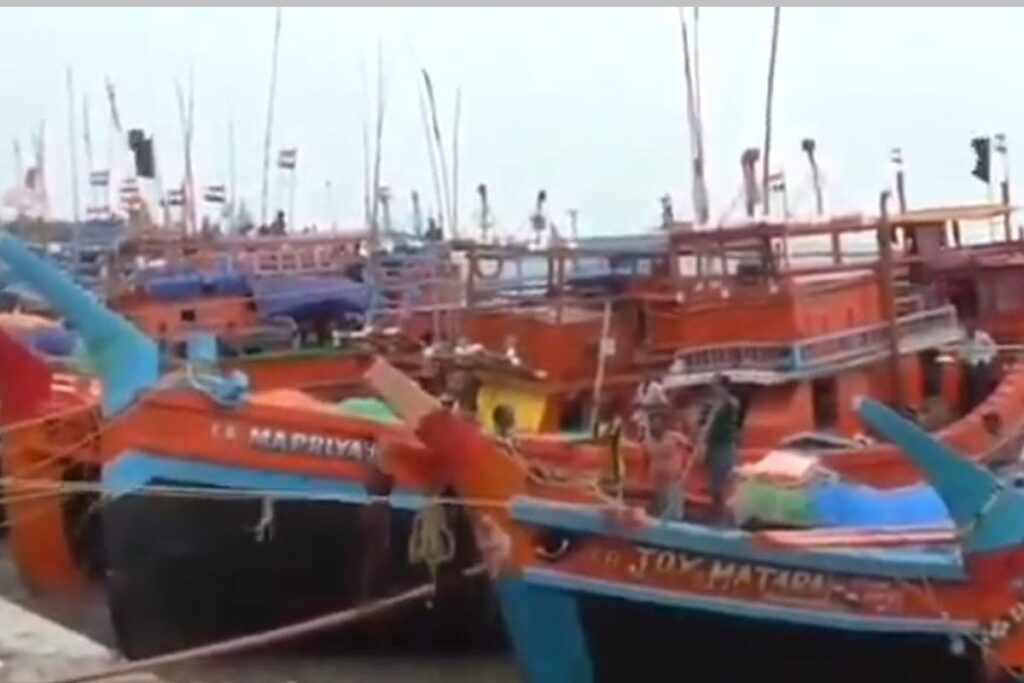
What will be cooked in middle of the ocean? Uncertain journey of fishermen
West Bengal Fishermen Face Gas Shortage During Annual Fishing Ban
Along the vibrant coastlines of West Bengal, a profound sense of anxiety is gripping the thousands of families whose lives are intricately woven with the ebb and flow of the sea. As Omni 360 News reports, the annual government-imposed fishing ban, a necessary measure for marine conservation, is about to begin. This period, usually marked by a temporary halt in earnings, now brings with it an unprecedented layer of hardship: a severe shortage of cooking gas cylinders. This unexpected fuel crisis is threatening to derail the livelihoods of deep-sea fishermen and could potentially harm the delicate environment of the Sunderbans.
Every year, from mid-April until the second week of June, fishing activities are prohibited in the deep sea. This two-month hiatus allows fish to breed undisturbed, ensuring the sustainability of marine life. While essential, this ban always means a lean period for the fishing community, with incomes virtually halted. This year, however, the scarcity of commercial gas cylinders has turned a difficult situation into a desperate one, akin to adding poison to a festering wound, as many describe it.
Fishermen embarking on deep-sea expeditions typically spend seven to eight days away from shore. Each fishing trawler, carrying between 14 to 18 crew members, relies on three to four cooking gas cylinders to sustain them during these long voyages. However, these vital cylinders are now proving hard to come by, leaving countless fishing trips in jeopardy. Many trawlers are being forced to return after only two or three days at sea, significantly cutting short their fishing time and, consequently, their potential earnings.
Bijan Maity, co-secretary of the West Bengal United Fishermen Welfare Association, voiced his grave concerns. “The government ban from April 15 to June 14 is already a challenging time for us,” he explained. “Now, even before this two-month period of lost income begins, the gas crisis has cast a heavy shadow of despair over the entire fishing community.” He fears that if this critical situation persists, the approximately two thousand trawlers that currently operate in the deep sea could see their numbers dwindle dramatically, impacting countless families.
Satinath Patra, secretary of the Sunderban Marine Fishermen Workers’ Union, highlighted the immediate consequences. “Our fishermen travel far into the deep sea, spending eight to ten days fishing,” Patra stated. “With commercial gas cylinders unavailable, they are compelled to purchase them at exorbitant prices just to fuel their journeys.” This financial burden is unsustainable for many. Patra also raised a critical environmental alarm: “If this situation continues, fishermen might have no choice but to revert to using wood as fuel, sourced from the Sunderbans. A return to that practice would inflict severe and lasting damage on the environment, undoing years of conservation efforts.”
The intertwining crises of a necessary fishing ban and an unexpected gas shortage present a formidable challenge for West Bengal’s coastal communities. The traditional struggles of a lean season are now compounded by an existential threat to their very way of life, pushing many to the brink and raising serious questions about the future of marine fishing in the region.
Key Takeaways
* West Bengal fishermen face a severe gas cylinder shortage just as the annual two-month fishing ban approaches.
* The ban, from mid-April to mid-June, already stops their income, and the gas crisis adds immense financial pressure.
* Deep-sea fishing trawlers, needing multiple gas cylinders for long trips, are struggling to find fuel, forcing shorter expeditions.
* Fishermen’s associations fear a reduction in the number of active trawlers and widespread despair within the community.
* There is a significant environmental concern that fishermen might revert to using wood fuel from the Sunderbans, causing ecological damage.