Ghaziabad schools to remain open on March 28, amid Jewar airport inauguration| India News
Ghaziabad Schools Face Logistical Hurdle Over Bus Requisition
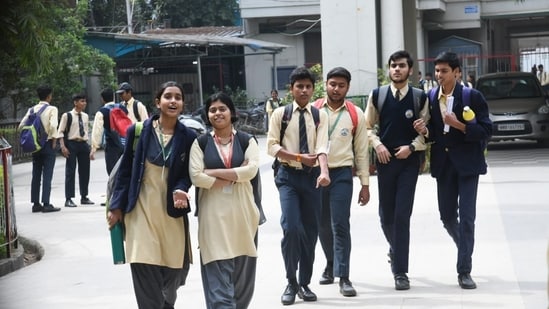
Ghaziabad, Uttar Pradesh – A directive from the district administration concerning the requisition of 800 school buses for a public event created a notable stir across educational institutions in Ghaziabad. The order, issued on March 24, aimed to facilitate the transport of “beneficiaries of government schemes” to an inauguration ceremony located in the Jewar region. While the intent was to ensure broad participation in a significant public gathering, the execution sparked immediate logistical challenges and widespread confusion among school managements, parents, and students alike.
The original instruction mandated that schools across the district would close on Friday, March 25, allowing their substantial fleet of buses to be deployed for the event. This posed an immediate disruption to the academic calendar, forcing schools to consider adjustments for lost teaching hours. For many parents, the sudden announcement meant scrambling for alternative childcare arrangements or dealing with unexpected changes to their daily routines. Local news outlets in Ghaziabad and Greater Noida quickly picked up on the story, highlighting the practical difficulties faced by families dependent on school transport.
However, the situation took another turn just a day later. In a revised directive issued late on Thursday, March 24, the administration rescinded the order for school closures on Friday. Instead, schools were instructed to remain open as usual. This sudden reversal, while seemingly aimed at minimizing academic loss, only added to the prevailing uncertainty. School authorities, who had already begun communicating the closure to parents and making internal adjustments, now had to disseminate new information just hours before classes were set to resume. This back-and-forth created a communication ripple effect, leaving many parents confused about the actual status of schools.
To further complicate matters and address potential academic setbacks, the revised order also stipulated that schools must open on Sunday, March 28. This move was intended as a compensatory measure, allowing schools to make up for any instruction time lost due to the earlier bus requisition plans. While the intention to safeguard academic continuity was clear, scheduling classes on a Sunday, typically a day of rest for both students and staff, presented its own set of challenges. It disrupted weekend family plans, after-school activities, and the general rhythm of student life.
School principals and transport managers found themselves navigating a complex web of directives. “It’s a significant operational challenge to suddenly divert such a large number of buses,” one school administrator, who wished to remain unnamed, told a local reporter. “From ensuring the safety of our fleet to managing driver availability, these are not decisions that can be made and reversed lightly.” The logistics involved in preparing 800 buses for a mass transport event – including driver rostering, fuel, and route planning – are substantial. The rapid changes demonstrated the intricate balance between civic duty and maintaining the regular flow of educational services.
The event in the Jewar area, while not explicitly detailed as the full “Jewar airport inauguration” in the body of the original directive, was understood to be a large public gathering for which the government sought to ensure widespread attendance from beneficiaries of various schemes. Such large-scale public events often necessitate significant logistical support, and school buses frequently become the primary resource for mass transportation due to their availability and capacity. This practice, while common, invariably places a strain on the education system.
For students, particularly those in examination years, such disruptions, even for a day or two, can be unsettling. Missing classes, even if compensated later, can break the momentum of learning. For younger students, the inconsistency can be confusing and lead to increased anxiety among parents about their children’s safety and academic progress. Parents often voice concerns about the last-minute nature of these decisions, arguing for more foresight and planning from administrative bodies to minimize impact on daily life.
The incident underscores a recurring tension between administrative requirements for public events and the smooth functioning of essential services like education. While supporting governmental initiatives is crucial, the methods employed to gather public participation often require careful consideration of their broader societal impact. Clear, consistent communication and adequate lead time can significantly alleviate the burden on schools, students, and their families. This episode, widely discussed across local community forums and reported by outlets like Omni 360 News, served as a potent reminder of the ripple effects of last-minute administrative changes on daily life.
Key Takeaways:
- Ghaziabad district administration requisitioned 800 school buses on March 24, 2022.
- The buses were intended to transport beneficiaries of government schemes to a public inauguration ceremony in the Jewar area.
- Initial order to close schools on Friday, March 25, was quickly reversed, leading to confusion.
- Schools were then directed to open on Sunday, March 28, to compensate for potential academic loss.
- The episode highlighted significant logistical challenges for school managements, and disruptions for students and parents regarding transportation and academic continuity.
- It underscored the need for clearer planning and communication from authorities when impacting essential services.
This sequence of events illustrates the delicate balance required when civic obligations intersect with the routine operations of educational institutions, making it imperative for authorities to plan well in advance to prevent undue inconvenience and maintain the stability of the academic environment. The narrative from Ghaziabad schools is a testament to the complexities that arise when public welfare initiatives demand immediate and large-scale logistical support.