Ghaziabad schools to remain open on March 28, amid Jewar airport inauguration| India News
School Buses Redirected for Inauguration Spurs Local Concerns
A directive issued on March 24, mandating the requisition of 800 school buses to transport “beneficiaries of government schemes” to a significant inauguration ceremony, ignited widespread discussions and logistical challenges across several districts. This move, aiming to facilitate attendance at a high-profile event likely tied to the Jewar airport’s development, brought into sharp focus the intricate balance between showcasing governmental progress and maintaining essential public services.
Understanding the Directive
The order, reportedly issued by district administrations or the Basic Education Department in various parts of Uttar Pradesh, sought a substantial fleet of 800 buses. The primary purpose was to ferry individuals identified as “beneficiaries of government schemes” to a grand inauguration. While the specific ceremony wasn’t always explicitly named in all local communications, context suggests it was related to the Noida International Airport, often referred to as Jewar airport, a flagship infrastructure project for the state.
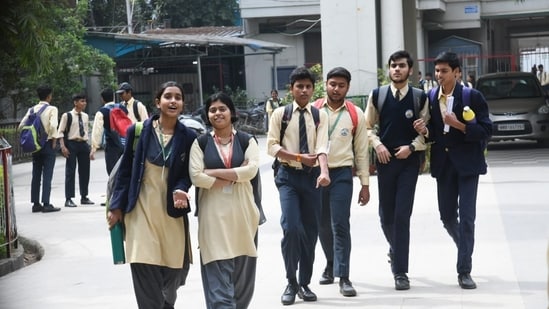
For many, this immediately raised questions about the potential disruption to daily school operations. Schools are cornerstones of community life, providing not just education but also vital transport for thousands of students. Diverting such a large number of buses, especially on short notice, could create significant hurdles for parents, students, and school managements alike.
Local Echoes Parents and Schools Speak Out
Across the National Capital Region (NCR) and surrounding districts, the directive was met with a mix of understanding and apprehension. Local news outlets, far from the national headlines, provided a crucial lens into the on-ground realities. Parents expressed legitimate concerns about the safety of their children, especially those dependent on school transport for their daily commute. The sudden unavailability of buses meant scrambling for alternative arrangements, often at additional cost and inconvenience. For students, particularly those in higher grades potentially facing examinations, any disruption to their routine could be stressful.
School administrations also found themselves in a bind. Managing a reduced fleet, reorganizing routes, and ensuring compliance with the government order while safeguarding student welfare presented a logistical nightmare. Some schools reportedly received the directive with little lead time, making immediate adjustments difficult. The liability aspect, including insurance and driver availability for an external event, also added to their worries.
Ghaziabad’s Approach A Glimmer of Local Nuance
Amidst the broader directive, local administrations showcased varied responses. In Ghaziabad, for instance, a significant development eased some concerns. Reports from local sources indicated that schools in Ghaziabad were specifically directed to remain open on March 28, the day of the likely inauguration ceremony. This decision by the Ghaziabad district authorities aimed to minimize educational disruption for students within its jurisdiction, even while other districts might have faced different instructions regarding school closures or bus contributions. This nuanced approach highlights how local governance can adapt to overarching directives to protect local interests.
However, the question remained: if Ghaziabad schools were to stay open, how would the bus requisition be managed? It suggests either that Ghaziabad’s contribution to the 800-bus pool was handled differently – perhaps by asking schools to provide buses on a non-working day, or by arranging alternatives that didn’t necessitate school closures – or that the initial broad directive saw local modifications to soften its impact on education. Such district-specific adjustments are vital for maintaining public confidence and ensuring essential services continue unimpeded.
The Larger Picture Balancing Spectacle and Service
The practice of requisitioning school buses for government functions is not entirely new. Such measures are often employed during elections, large public gatherings, or visits by dignitaries to manage vast logistical requirements. The underlying intent is often to ensure wider public participation, especially from beneficiaries of various governmental initiatives, allowing them to witness and celebrate developmental milestones. These events are seen as crucial for public outreach and reinforcing government messaging.
However, the episode raises an important conversation about resource allocation and planning. While showcasing progress is undoubtedly a part of good governance, it should ideally not come at the cost of disrupting fundamental public services like education. Omni 360 News believes that a holistic approach demands exploring alternatives, such as contracting private transport fleets or government-owned buses, which would circumvent the need to tap into school resources. This not only minimizes inconvenience for students and parents but also respects the operational autonomy of educational institutions. Careful planning and transparent communication from authorities can significantly mitigate public concern and enhance trust.
Key Takeaways
- The March 24 directive to requisition 800 school buses for an inauguration ceremony highlighted the logistical demands of large government events.
- It sparked significant concerns among parents and school administrations regarding student safety, educational disruption, and the practicality of the order.
- Local administrations, like Ghaziabad’s decision to keep schools open on the day of the event, demonstrated varied efforts to minimize the impact on students.
- The incident underscores the critical need for meticulous planning that balances the objectives of public events with the uninterrupted provision of essential services like education.
Ultimately, while the desire to celebrate national or regional achievements and engage “beneficiaries of government schemes” is understandable, the approach to logistics must reflect a deep consideration for all stakeholders. The smooth functioning of schools is paramount for a thriving society, and any actions that potentially impede it deserve careful scrutiny and strategic alternatives. Thoughtful governance means orchestrating grand events without inadvertently causing disruption to the daily rhythm of its citizens’ lives.