Glaciers melting rate across Hindu Kush Himalayas doubled since 2000: ICIMOD report| India News
Himalayan Glaciers Retreat at Unprecedented Pace ICIMOD Study Confirms
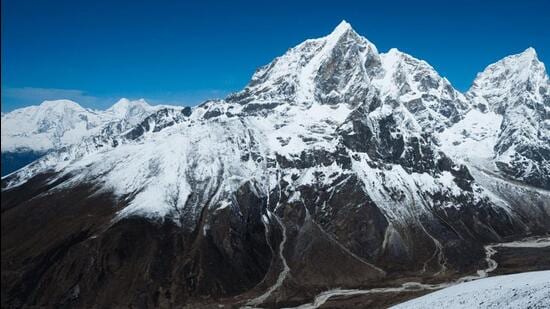
The majestic Hindu Kush Himalayan (HKH) region, often called the world’s “Third Pole” for its vast ice reserves, is facing an alarming crisis. A recent report from the International Centre for Integrated Mountain Development (ICIMOD), titled ‘Changing Dynamics of Glaciers in the Hindu Kush Himalayan Region from 1990 to 2020’, has revealed that glaciers across this vital mountain range are shrinking at an accelerating rate. This comprehensive study, mapping an astounding 63,761 glaciers, paints a stark picture of environmental change with profound implications for billions of people downstream.
For decades, the snowy peaks and icy expanses of the HKH have been the lifeblood for rivers like the Indus, Ganges, Brahmaputra, Mekong, and Yangtze. These rivers sustain agriculture, provide drinking water, and fuel hydropower for over a quarter of the global population. However, the ICIMOD findings confirm what many local communities and scientists have observed firsthand: the region’s glaciers are retreating faster than ever recorded, particularly over the last three decades.
The report’s in-depth analysis from 1990 to 2020 utilized advanced satellite imagery and ground observations to detail the changes in ice mass and glacier area. It meticulously documented the state of tens of thousands of individual glaciers, offering an unparalleled granular view of the challenges ahead. What stands out from the data is a significant increase in the rate of ice loss in the 21st century compared to previous periods.
Local news outlets across the region have been echoing these concerns for years. Reports from Kathmandu detail changes in local water sources, affecting farming communities in Nepal’s mid-hills. In Pakistan, discussions often revolve around the long-term sustainability of the Indus River system, which is heavily reliant on glacial meltwater for its vast agricultural plains. Similarly, in India’s Himalayan states, local environmental groups and news publications frequently highlight the visible shrinking of iconic glaciers and the increasing frequency of extreme weather events, including flash floods and erratic rainfall patterns.
The primary driver behind this rapid glacial retreat is global warming. Rising temperatures mean that glaciers are losing more ice through melting than they are gaining through snowfall. This imbalance, known as negative mass balance, indicates a sustained reduction in the overall size and volume of these critical ice bodies. The ICIMOD study provides robust scientific evidence for this trend, reinforcing the urgency of climate action.
The immediate consequences of this accelerated melting are complex and often contradictory. In the short term, increased meltwater can lead to higher river flows, which might seem beneficial. However, this surge is temporary. As glaciers shrink, their capacity to store water diminishes, eventually leading to reduced water availability during drier seasons. This erratic water supply poses a significant threat to agricultural productivity, food security, and energy generation from hydropower plants in countries like Nepal and Bhutan.
Beyond water scarcity, the melting glaciers also contribute to an increased risk of natural disasters. As ice melts, it forms large lakes at the glacier snout or within glacial valleys. These glacial lakes, often dammed by unstable moraine debris, can burst suddenly, leading to devastating Glacial Lake Outburst Floods (GLOFs). Local communities in vulnerable areas, as reported by outlets like *The Himalayan Times*, live with the constant threat of such events, which can wipe out villages, infrastructure, and farmland in minutes.
The HKH region is not just a collection of mountains; it’s a vibrant tapestry of diverse ecosystems and cultures. The changes in glacier dynamics directly impact the unique biodiversity of the region, altering habitats and migratory patterns. The livelihoods of millions of indigenous people, who rely on traditional farming, pastoralism, and tourism, are also under immense pressure. Adapting to these swift changes requires significant investment in early warning systems, resilient infrastructure, and sustainable resource management.
The ICIMOD report serves as a crucial wake-up call, emphasizing the interconnectedness of climate change, mountain environments, and human well-being. It underscores the need for regional cooperation among the countries sharing the Hindu Kush Himalayan range to address these challenges effectively. Collaborative research, data sharing, and joint policy formulation are essential for developing adaptive strategies and mitigating the worst impacts of glacial melt.
For an informed citizenry, understanding these complex dynamics is paramount. Omni 360 News strives to bring forth such critical environmental analyses, ensuring our audience grasps the scientific findings and their real-world implications. The fate of the Hindu Kush Himalayan glaciers is not merely a scientific concern; it’s a global issue demanding immediate and sustained attention.
Key Takeaways
- The ICIMOD report mapped 63,761 Hindu Kush Himalayan glaciers, revealing accelerated ice loss from 1990 to 2020.
- Glacial retreat is driven by rising global temperatures, leading to a negative mass balance where glaciers lose more ice than they gain.
- Consequences include future water scarcity for billions, increased risk of devastating Glacial Lake Outburst Floods (GLOFs), and threats to regional biodiversity and livelihoods.
- Local communities are already experiencing these impacts, with changes in water availability and increased disaster risks.
- The report emphasizes the urgent need for regional cooperation and climate action to develop adaptive strategies and mitigate the profound challenges posed by glacial melting.