Glaciers melting rate across Hindu Kush Himalayas doubled since 2000: ICIMOD report| India News
Himalaya’s Melting Heart A Stark Warning from Recent Glacier Report
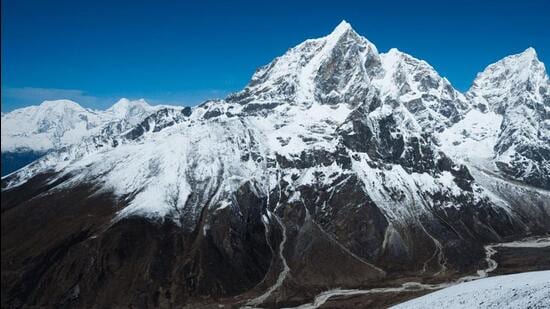
The majestic Hindu Kush Himalayan region, often called the “Third Pole” for its vast ice reserves outside the polar regions, faces an intensifying crisis. A recent report from the International Centre for Integrated Mountain Development (ICIMOD), titled ‘Changing Dynamics of Glaciers in the Hindu Kush Himalayan Region from 1990 to 2020,’ has unveiled a stark reality. This comprehensive study mapped an astonishing 63,761 glaciers across this vital mountain range, providing an unprecedented look into their rapid decline over three decades. For communities living in the shadow of these giants and for billions downstream, the findings are a clear call to attention.
The report details an alarming acceleration in glacier melt rates, painting a vivid picture of a landscape transforming at an unsettling pace. From 1990 to 2020, these glaciers have been shedding ice at a rate far exceeding previous estimates. This isn’t merely a slow, steady retreat; it’s a rapidly accelerating loss, with the rate of ice melt increasing significantly from one decade to the next. The numbers presented are sobering: glaciers in the region lost 65% more ice in the decade between 2010 and 2020 compared to the preceding ten years (2000-2010). Furthermore, the 2000-2010 period itself saw a 30% greater loss than the decade from 1990-2000. This upward trend underscores a serious and worsening environmental challenge that impacts the lifeline of Asia.
The Accelerating Melt A Closer Look
What do these figures truly mean? Imagine a colossal ice reservoir slowly emptying, but with the tap being turned wider and wider each year. That’s essentially what is happening in the Hindu Kush Himalayan region. While glaciers naturally grow and shrink over centuries, the pace observed in this ICIMOD report is unequivocally linked to climate change. Rising global temperatures mean warmer air and more erratic weather patterns are directly affecting the stability of these immense ice formations. The sheer scale of the mapping, covering tens of thousands of individual glaciers, lends immense credibility and detail to these conclusions. Every valley, every peak contributes to this larger narrative of loss.
This detailed tracking, a monumental effort to understand the Changing Dynamics of Glaciers in the Hindu Kush Himalayan Region from 1990 to 2020, wasn’t just about counting glaciers. It involved sophisticated satellite imagery and scientific analysis to measure their volume and changes over time. The findings show that the average loss of ice across the region is profound, impacting the fragile mountain ecosystems and the communities reliant on them.
Water Tower of Asia Under Threat
The Hindu Kush Himalayan region serves as the source of ten of Asia’s largest rivers, including the Ganges, Indus, Mekong, Yangtze, and Yellow River. These rivers provide freshwater to over 2 billion people, supporting agriculture, hydropower generation, and basic human needs across 16 countries. The melting of these glaciers initially leads to increased river flows, which can be seen as a temporary boon for some areas, but in the long term, it signals a dramatic reduction in water availability as the ice reserves diminish. This transition from ‘too much’ water to ‘too little’ poses an existential threat to downstream populations.
Farmers in the foothills, already grappling with unpredictable monsoons, now face the added uncertainty of altered river flows. Communities that rely on glacial melt for irrigation during dry seasons could see their traditional farming practices become unsustainable. Hydropower plants, crucial for clean energy in countries like Nepal and Bhutan, depend on consistent water volumes, which will inevitably be affected by the long-term decline in glacial ice.
Local Impact and Community Voices
Beyond the scientific data, the human story is paramount. Local newspapers in regions like Nepal’s Everest area or Pakistan’s Gilgit-Baltistan frequently carry reports of villagers observing changes firsthand. They speak of ancient ice formations receding visibly within a generation, revealing barren rock. Incidents of Glacial Lake Outburst Floods (GLOFs) are also becoming more frequent and devastating. These sudden floods occur when natural dams holding back glacial meltwater burst, sending torrents down valleys, destroying homes, infrastructure, and agricultural land. Such events, while natural, are amplified by the increased meltwater volumes accumulating in unstable glacial lakes.
For Omni 360 News, these local narratives are critical. They provide the human dimension to the scientific findings, illustrating how climate change isn’t a distant phenomenon but a tangible reality reshaping lives and livelihoods in some of the world’s most vulnerable regions. Efforts by local governments and NGOs often focus on early warning systems for GLOFs and exploring alternative water management strategies, but the scale of the challenge often overwhelms these localized responses.
Looking Ahead Key Takeaways
The ‘Changing Dynamics of Glaciers in the Hindu Kush Himalayan Region from 1990 to 2020’ report is more than just a scientific document; it’s a urgent environmental plea. The acceleration of glacier melt is undeniable and carries profound implications for water security, ecological balance, and regional stability.
Key Takeaways:
* The ICIMOD report mapped 63,761 glaciers in the Hindu Kush Himalayan region.
* Glaciers lost ice at an accelerating rate between 1990 and 2020, with a 65% increase in melt during the last decade of the study compared to the one before.
* This rapid melting threatens the water supply for over 2 billion people in Asia.
* Increased risks of Glacial Lake Outburst Floods (GLOFs) pose immediate dangers to mountain communities.
* The findings underscore the urgent need for global climate action and regional cooperation to mitigate impacts and adapt to these irreversible changes.
Addressing this challenge requires not only global efforts to reduce greenhouse gas emissions but also robust regional strategies for adaptation. This includes better water resource management, developing resilient infrastructure, and empowering local communities with the knowledge and tools to cope with a rapidly changing environment. The future of Asia’s water tower, and the lives it sustains, depends on how effectively the world responds to this stark warning from the Himalayas.