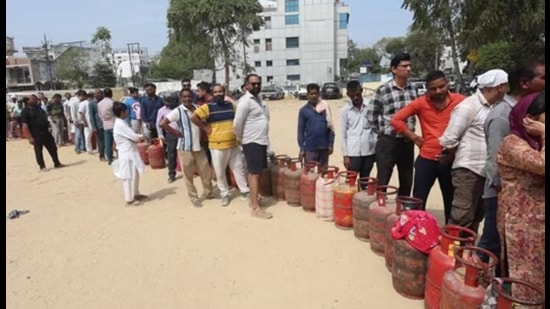
Govt asks domestic cooking gas consumers to get e-KYC done through Aadhaar| India News
By Omni 360 News Desk
Aadhaar Biometric Authentication Mandatory for Ujjwala Subsidy Benefits Key Takeaways
New Delhi—A significant update for millions of households across India has emerged, making annual biometric Aadhaar authentication a compulsory step for over 105.1 million beneficiaries of the Pradhan Mantri Ujjwala Yojana (PMUY) to continue receiving their cooking gas subsidies. This pivotal move aims to bolster transparency and ensure that benefits reach only the intended recipients.
For those unfamiliar, the Pradhan Mantri Ujjwala Yojana is a flagship government scheme launched with the goal of providing clean cooking fuel, specifically Liquefied Petroleum Gas (LPG) connections, to women from economically weaker sections. This initiative was designed to replace traditional, polluting cooking methods with healthier alternatives, thereby improving the well-being of families, particularly women and children, in rural and underprivileged areas.
Now, to maintain eligibility for the financial assistance provided under PMUY, beneficiaries must undergo an annual biometric scan linked to their Aadhaar card. This means a physical verification of fingerprints or iris scans at designated points, confirming the identity of the person receiving the subsidy. This measure is intended to curb any potential misuse of subsidies, eliminate duplicate beneficiaries, and streamline the distribution process, ensuring public funds are utilized effectively and reach only genuine households.
The impact of this mandate stretches across a vast demographic, touching over 105 million households that rely on these subsidies for affordable cooking gas. While the government’s intention is rooted in accountability and efficiency, the practical implementation on such a large scale presents its own set of considerations for the everyday citizen.
Local reports and field observations often highlight challenges that beneficiaries, especially in remote or less digitally connected regions, might face. Issues such as the accessibility of Aadhaar enrolment or update centers, particularly for the elderly, disabled, or those residing in far-flung villages, can be a hurdle. Furthermore, biometric authentication can sometimes be problematic due to worn fingerprints from manual labor, or technical glitches with scanning equipment. Ensuring widespread awareness about this annual requirement and providing easy, accessible authentication facilities will be crucial for a smooth transition. Without proper support and infrastructure, genuine beneficiaries might inadvertently miss out on their rightful entitlements, underscoring the need for careful local planning and communication.
The government maintains that this step is vital for robust governance and preventing leakages in the welfare system. The digital infrastructure supporting Aadhaar is designed to create a verifiable chain, making it harder for fraudulent claims to pass through, thereby securing the integrity of public service delivery.
Key Takeaways:
- Annual Aadhaar biometric authentication is now mandatory for over 105.1 million PMUY beneficiaries to receive their subsidy.
- This measure aims to enhance transparency, prevent misuse, and ensure subsidies reach genuine households.
- Beneficiaries must undergo a physical fingerprint or iris scan verification each year.
- Challenges include accessibility for vulnerable populations, technical issues with biometrics, and the critical need for widespread awareness campaigns.
- The move underscores the government’s commitment to efficient public fund utilization and robust welfare system governance.
This development signals a further integration of the Aadhaar system into the fabric of public welfare schemes, underscoring a continuous push towards digital authentication for service delivery nationwide. The successful rollout will largely depend on the ease of access and the support mechanisms available to millions of beneficiaries on the ground, ensuring fairness and equity for all.