Govt cuts special additional excise duties on petrol and diesel amid US-Iran war| India News
India Adjusts Fuel Duties Understanding the Impact on Petrol and Diesel Prices
In a significant move impacting millions of households and businesses across India, the government has announced a recalibration of the Special Additional Excise Duties (SAED) on motor spirit (petrol) and high-speed diesel oil. This decision, closely watched by consumers and industry alike, sets the SAED rate for petrol at “Nil,” while for high-speed diesel, it now stands at “Rs. 18.5 per litre.” This adjustment is more than just a number; it reflects a delicate balancing act by policymakers in response to a dynamic global economic landscape and domestic imperatives. Omni 360 News brings you a detailed breakdown of what these changes signify.
To truly grasp the weight of this announcement, it’s essential to understand what Special Additional Excise Duty (SAED) is. Imagine the price you pay at the petrol pump as a pie. This pie is made up of the base price of crude oil, refining costs, dealer commission, and various taxes levied by both the central and state governments. SAED is one such central government tax. It’s a duty that can be adjusted by the government to manage revenue, influence consumption, or, critically, cushion consumers from extreme volatility in international crude oil prices. When crude oil prices soar globally, the government might reduce or even eliminate certain duties to prevent pump prices from skyrocketing domestically. Conversely, when global prices are low, duties might be increased to boost government revenue.
The current notification to set petrol’s SAED at “Nil” means that this specific component of the central tax on petrol has been completely removed. For diesel, while not zero, the duty is fixed at Rs. 18.5 per litre. This is a noticeable adjustment that indicates the government’s current priorities. These changes typically reflect a strategic response to global market conditions. The international crude oil market has been particularly volatile, influenced by geopolitical tensions in various parts of the world. India, being a major importer of crude oil, is highly susceptible to these global price fluctuations. When the price of crude oil rises internationally, it translates to higher costs for Indian oil companies, which would eventually be passed on to the consumer.
The government’s decision to lower or remove duties, therefore, often serves as a buffer. By reducing its share of the tax pie, the government aims to mitigate the impact of rising global prices on the end consumer. This helps in managing inflation, as fuel prices have a ripple effect across the economy. Lower diesel prices, for instance, can reduce transportation costs, which in turn affects the prices of goods ranging from vegetables to manufactured products. Similarly, petrol price stability offers direct relief to individual vehicle owners.
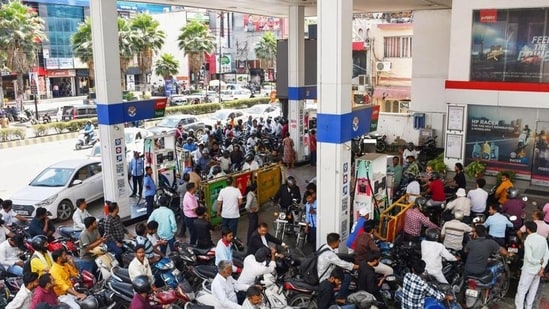
For the everyday consumer, particularly those operating two-wheelers and personal cars, the “Nil” SAED on petrol offers a degree of relief. While state-level Value Added Tax (VAT) and other central duties will still apply, the removal of SAED suggests a deliberate effort to ease the financial burden. This could mean more disposable income for families or simply less strain on monthly budgets. For diesel users, the fixed Rs. 18.5 per litre duty, while not as aggressive a cut as petrol’s, is still part of the government’s strategy to balance revenue needs with economic stability. Diesel is the lifeblood of India’s economy, powering agriculture (tractors, irrigation pumps), freight transportation, and public transport. Any relief in diesel prices can have a broader positive impact on the economy by potentially lowering logistics costs for businesses and input costs for farmers.
Local businesses, from small-scale transporters to farmers, often feel the direct pinch of fuel price hikes. Local news reports frequently highlight how even minor increases in diesel costs can shrink profit margins for small entrepreneurs or escalate farming expenses. This latest adjustment could offer some respite, potentially leading to more stable prices for essential commodities and easing the operational costs for a vast segment of the unorganized sector. Economic analysts frequently point out that such duty adjustments are part of a larger strategy to combat inflation and maintain economic growth momentum, especially when global headwinds are strong. The government must continuously weigh its revenue requirements against the need to support consumption and production.
Key Takeaways:
* The government has set the Special Additional Excise Duty (SAED) on petrol to “Nil” and on high-speed diesel to “Rs. 18.5 per litre.”
* This move aims to provide relief to consumers and businesses by partially offsetting the impact of volatile global crude oil prices.
* “Nil” SAED on petrol offers direct financial breathing room for vehicle owners.
* The duty adjustment on diesel, a critical fuel for transportation and agriculture, is expected to help in managing inflation and reduce operational costs for industries.
* This decision reflects the government’s ongoing effort to balance revenue generation with economic stability and consumer welfare amidst global economic uncertainties.
This measure by the government underscores its active role in modulating domestic prices to safeguard economic interests and public well-being. As global oil markets continue their unpredictable dance, Omni 360 News will keep a close eye on how these domestic policy adjustments translate into real-world impact for the citizens of India.