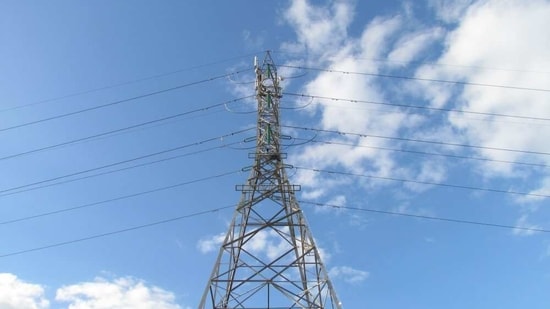
Govt says West Asia crisis to have 'minimal impact' on India's power supply, activating backup| India News
India Ramps Up Power Capacity and Eyes Imported Coal Amid Surging Demand
As India’s economy steadily expands and daily life becomes increasingly reliant on electricity, the nation faces the persistent challenge of keeping pace with an ever-growing appetite for power. This critical juncture has prompted the government to accelerate its efforts, with Power Secretary Pankaj Agarwal recently confirming plans to significantly boost the country’s electricity generation capacity. A key component of this strategy, he noted, involves the inclusion of power plants fueled by imported coal, a move designed to ensure uninterrupted supply even as domestic resources are stretched.
The narrative of India’s power sector is one of dynamic growth and complex challenges. From bustling urban centers to burgeoning industrial zones and improving rural electrification, the demand curve consistently trends upwards. This surge is not merely a statistical figure; it represents factories running double shifts, homes staying cool during sweltering summers, students accessing digital education, and essential services operating smoothly. When the grid falters, the ripple effect is immediate and widespread, impacting livelihoods and national progress.
The push for additional capacity, therefore, is a direct response to these tangible needs. While India possesses significant domestic coal reserves, their availability, quality, and the logistics of transportation often present bottlenecks during periods of peak demand. This is where imported coal steps in, serving as a crucial supplementary resource. Power generation units designed to utilize imported coal offer flexibility and can quickly bridge supply gaps that might otherwise lead to blackouts and economic disruption.
Understanding the rationale behind this decision requires a look at the fundamentals. Electricity generation is a delicate balancing act. At any given moment, the amount of power being generated must match the amount being consumed. If demand outstrips supply, the grid becomes unstable, leading to potential outages. Adding new power plants, whether coal-based or otherwise, increases the total available supply. Relying on imported coal for some of these new or existing plants provides a buffer, allowing the nation to tap into global markets when domestic coal supply or logistics are constrained. This strategic diversification helps mitigate the risks associated with relying solely on internal resources, especially during unexpected spikes in demand or disruptions in domestic coal production.
Critics often raise concerns about the environmental impact and the cost implications of imported coal. Indeed, coal-fired power plants contribute to emissions, and the global price of coal can fluctuate significantly, affecting consumer tariffs. However, the immediate priority for the government, as articulated by Secretary Agarwal, appears to be ensuring a reliable and sufficient power supply to sustain economic activity and meet the basic needs of citizens. This balancing act involves weighing energy security against environmental goals and economic viability in the short to medium term.
Looking ahead, Omni 360 News observes that the government’s long-term vision certainly includes a significant push towards renewable energy sources like solar and wind power. Yet, the intermittency of these sources, meaning they don’t generate power consistently, necessitates a robust base load supply. For now, thermal power, including that fueled by imported coal, remains an indispensable component of India’s energy mix, providing the stability and reliability required to support the transition to cleaner energy over time. The current strategy reflects a pragmatic approach to energy management, ensuring that the lights stay on while the nation continues its journey towards a more sustainable and electrified future.
Key Takeaways:
* India’s government is proactively increasing electricity generation capacity to meet rising national demand.
* Imported coal will play a strategic role in new and existing power plants to supplement domestic supply.
* The decision aims to ensure a stable and uninterrupted power supply for economic growth and daily life.
* This move offers flexibility and a crucial buffer against potential domestic coal supply or logistical challenges.
* While environmental and cost considerations exist, the immediate focus is on energy security and reliability.
* Thermal power remains vital for base load stability as India transitions towards greater renewable energy reliance.