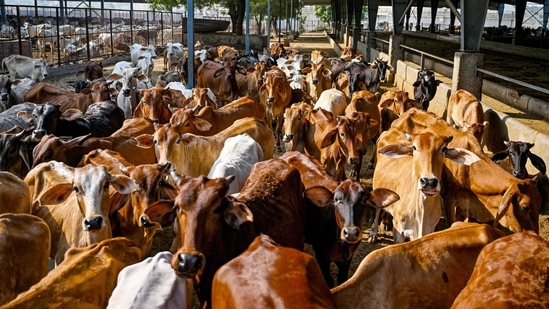
Gujarat allocates ₹60 cr to convert organic waste, including cow dung, into biogas fuel| India News
**A Green Shift Spreads The Banas Bio-CNG Model Powers National Sustainability**
The quiet success story emerging from Gujarat’s dairy heartland is now making waves across India, promising a significant stride towards sustainable energy and waste management. The innovative bio-CNG plant model pioneered by Banas Dairy is steadily being adopted by nearly 15 states, a testament to the collaborative efforts of the Union Ministry of Jal Shakti and the Union Ministry of Cooperation. This widespread replication underscores a national commitment to turning organic waste, especially cow dung, into a valuable resource, benefiting rural economies and the environment.
**Understanding the Banas Bio-CNG Blueprint**
At its core, the Banas bio-CNG model is a brilliant example of circular economy principles applied at a community level. Banas Dairy, one of Asia’s largest milk cooperatives, initiated this project to manage the vast quantities of cow dung generated by its member farmers. Instead of this organic waste becoming an environmental burden, it is collected and fed into large anaerobic digesters. Inside these sealed tanks, microorganisms break down the dung in the absence of oxygen, producing biogas. This biogas is then purified to remove impurities, resulting in Compressed Natural Gas (CNG), a clean fuel that can power vehicles, generate electricity, or be used for cooking.
What makes the Banas model particularly appealing for national replication is its integrated approach. Farmers are incentivized to supply cow dung, providing them with an additional income stream. The generated bio-CNG offers a domestic, renewable energy source, reducing reliance on fossil fuels. Furthermore, the digested slurry, a byproduct of the process, serves as an excellent organic fertilizer, enriching soil health and reducing the need for chemical alternatives. This creates a win-win situation for farmers, the environment, and energy security.
Reports from local agricultural news outlets in Gujarat have consistently highlighted how the Banas initiative has transformed waste into wealth for its dairy farmers. The model demonstrates practical waste management while also contributing to sustainable agricultural practices.
**The National Push for Bio-CNG Adoption**
The widespread adoption of the Banas model is not happening in a vacuum. It is a concerted effort propelled by two key government ministries. The Ministry of Jal Shakti, responsible for water resources and sanitation, sees the bio-CNG initiative as a vital component of holistic rural sanitation and waste management under schemes like Swachh Bharat Mission Grameen. By effectively managing organic waste at its source, these plants contribute significantly to cleaner villages and improved public health.
Simultaneously, the Union Ministry of Cooperation plays a crucial role in facilitating the replication of this cooperative success story. Dairy cooperatives, like Banas, are deeply embedded in India’s rural fabric. By promoting the Banas bio-CNG model through these cooperative networks, the ministry aims to empower farmers, enhance their livelihoods, and foster self-reliance at the village level. It’s about leveraging existing cooperative infrastructure to drive sustainable development.
Information from government press releases and regional economic news sources indicates that states ranging from Uttar Pradesh and Madhya Pradesh to Punjab and Rajasthan are actively exploring or implementing similar bio-CNG projects, often drawing inspiration and technical guidance from the Banas experience. Gujarat, in particular, has allocated significant funds, as reported by state-level news agencies, to further expand its capacity for converting organic waste into biogas, underscoring the state’s belief in the model.
**Benefits Beyond the Fuel Tank**
The impact of adopting the Banas bio-CNG model extends far beyond simply producing clean fuel.
* Environmental Stewardship: It significantly reduces greenhouse gas emissions by preventing methane, a potent greenhouse gas, from being released into the atmosphere from decomposing cow dung. It also lessens the burning of traditional fuels.
* Economic Empowerment: Farmers receive payments for cow dung, creating a new revenue stream. The availability of organic fertilizer reduces input costs for agriculture.
* Energy Security: Localized production of bio-CNG reduces dependence on imported fossil fuels, contributing to India’s energy independence.
* Rural Development: The establishment and operation of these plants create local employment opportunities and stimulate rural economies.
* Improved Sanitation: Proper disposal of animal waste leads to cleaner villages and improved health outcomes for residents.
As Omni 360 News continues to track this promising development, it becomes clear that this initiative is more than just an energy project. It represents a fundamental shift in how rural India views waste, energy, and sustainable living, empowering communities one cow dung cake at a time.
**Key Takeaways**
* The Banas bio-CNG plant model is a successful example of converting cow dung into clean energy and organic fertilizer.
* This model is being adopted by approximately 15 states across India, driven by the Ministry of Jal Shakti and the Ministry of Cooperation.
* The initiative offers multiple benefits, including environmental protection, economic upliftment for farmers, enhanced energy security, and improved rural sanitation.
* It showcases the power of cooperative structures and integrated waste management to foster sustainable development in rural areas.
* The widespread adoption highlights a national strategy to harness renewable resources and empower local communities.