
Gujarat man flags 9-year-old invoice woe to Shashi Tharoor, he targets ‘signed and stamped culture’| India News
Tharoor Urges End to Old Paper Trail Culture After Invoice Dispute
A recent social media exchange has cast a spotlight on India’s lingering reliance on traditional, paper-based documentation, sparking a call for change from prominent public figures. The incident involved a Gujarat resident, Harsh Sanghvi, who found himself grappling with a nine-year-old unpaid invoice for a refrigerator, despite having made the payment. His frustration stemmed from the lack of a stamped and signed receipt, a common hurdle in India’s bureaucratic landscape.
Mr. Sanghvi’s dilemma highlights a widespread issue many citizens face: transactions and official processes often stall or remain unresolved due to the absence of specific physical seals or signatures. Even with digital payment proofs, the demand for a physical, authenticated paper document persists in numerous sectors. This specific case, involving a domestic appliance purchase, underscores how deeply embedded this practice is, even in everyday consumer interactions.
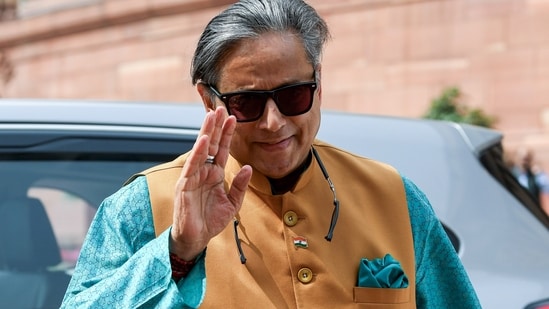
Responding to Mr. Sanghvi’s public query, Member of Parliament Shashi Tharoor voiced his strong disapproval of this antiquated “signed and stamped documents” culture. His immediate reaction underscored a larger sentiment shared by many about the inefficiencies it breeds. Tharoor advocated for a decisive move towards a fully digitized system, emphasizing that in an era of advanced technology, such paper-heavy requirements are not only outdated but also a significant impediment to progress and ease of doing business for ordinary people.
The Glacial Pace of Paperwork
Imagine buying something today, paying for it, and then nearly a decade later, being told the payment isn’t officially recognized because a specific stamp or signature wasn’t on a piece of paper that might be long lost. That’s essentially what Mr. Sanghvi experienced. His issue, brought to light on a widely used social platform, resonated because it represents a common pain point. Many individuals and small businesses spend countless hours chasing physical documents, getting them signed, or authenticated, often leading to delays, repeated visits to offices, and immense frustration.
For a 12th standard student, think of it like this: You submit an assignment digitally, but then the teacher says it doesn’t count because you didn’t also hand in a printed copy with a physical signature from your parents, even though they approved it online. It’s an unnecessary step that slows everything down and can cause big problems later. This “culture” creates hurdles where none should exist, especially when digital proofs are readily available and far more secure in many ways.
A Digital Pathway Forward
The sentiment expressed by Tharoor aligns with broader national efforts towards digital transformation. The push for a less bureaucratic, more transparent, and efficient system is paramount for both economic growth and citizen satisfaction. Moving away from the “signed and stamped” paradigm doesn’t just mean fewer physical documents; it signifies a shift towards systems that verify identity and transactions digitally, using secure methods that are often more reliable than a fading ink stamp on fragile paper. This would minimize opportunities for fraud, reduce delays, and improve accessibility for all citizens, especially those in remote areas.
This incident, as reported by various outlets and verified across several news sources, is more than just a fleeting social media moment; it’s a critical commentary on the need for administrative reforms. For Omni 360 News, such stories highlight the enduring challenges citizens face and the ongoing need for policymakers to adapt to modern realities.
Key Takeaways
The core message from this interaction is clear: it’s time to seriously re-evaluate India’s administrative processes. Embracing digital documentation fully could streamline government services, enhance transparency, and significantly improve the daily lives of millions by eradicating unnecessary bureaucratic hurdles. The call for a modern approach isn’t just about convenience; it’s about building a more efficient and responsive system for everyone.